

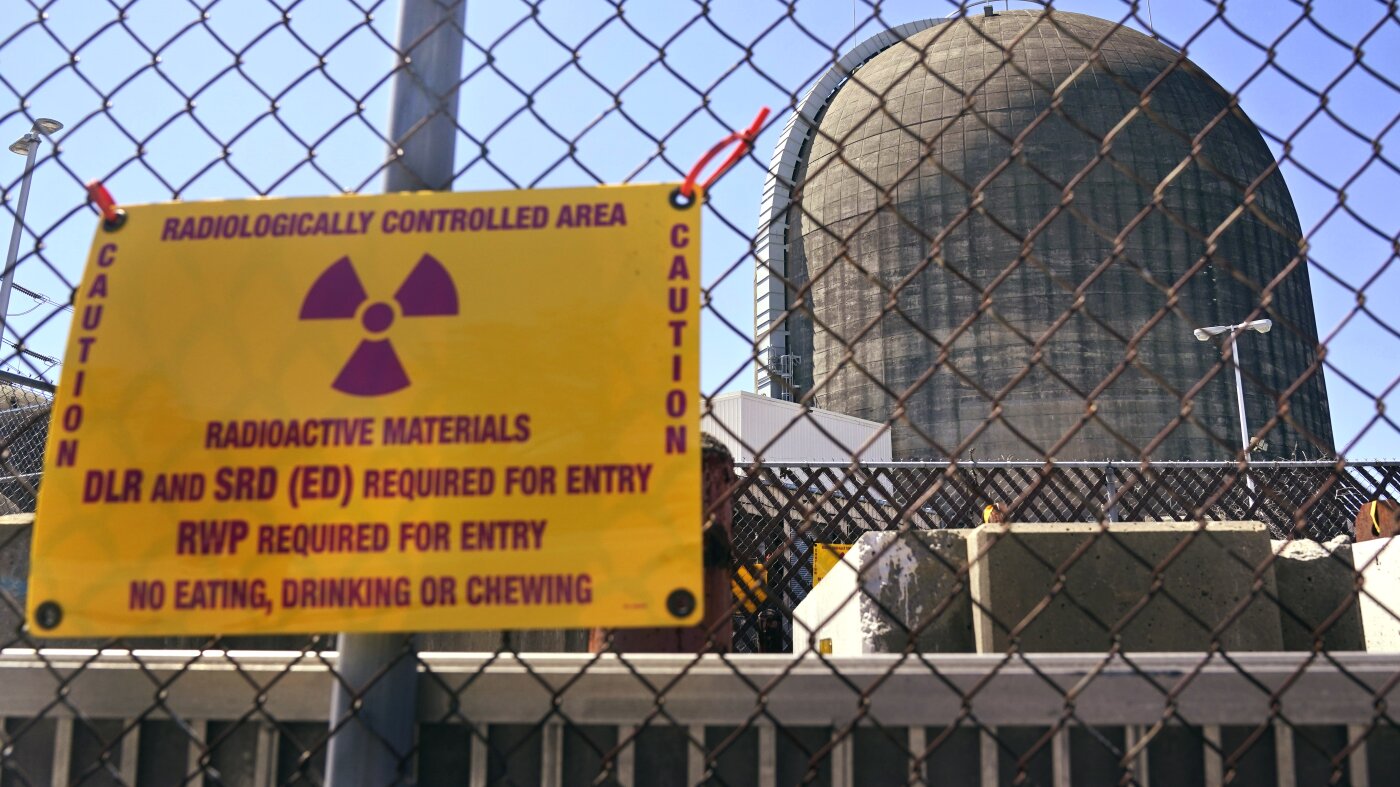
The Nuclear Regulatory Commission is moving forward with a proposal to remove a foundational radiation safety principle that has governed nuclear operations for approximately fifty years. The standard in question, known as “As Low As Reasonably Achievable” or ALARA, has required the nuclear industry to minimize radiation exposure for both workers and the general public below established regulatory limits whenever feasible.
The proposed rule change is part of a broader effort by the Trump administration to streamline nuclear regulations and accelerate nuclear energy development. Administration officials have framed the revision as necessary to support the construction and operation of new reactor designs, particularly smaller reactors intended to supply electricity for artificial intelligence data centers and other industrial applications experiencing rapid growth. NRC Chairman Ho Nieh has characterized ALARA as outdated and difficult to implement, comparing the principle to an ambiguous speed limit requirement that complicates design and operational decisions.
Under the revised framework, the NRC would rely on existing numerical exposure thresholds as the primary regulatory mechanism: five rem annually for workers and 0.1 rem for the public. The proposal also introduces new flexibility by permitting workers to temporarily exceed the standard worker limit of five rem annually, reaching up to ten rem in a given year under specified conditions such as reactor maintenance and upgrades, provided their five-year cumulative exposure remains below 25 rem.
The proposed change has drawn both support and criticism from experts. Some radiation health professionals argue that explicit numerical limits provide greater clarity than ALARA’s inherently subjective standard. However, safety advocates and independent researchers have expressed concern that eliminating the principle removes an important incentive for companies to maintain protective practices and continuously reduce exposures. Scientists studying radiation risks note that establishing harm from low-dose exposure remains scientifically challenging due to baseline cancer rates in the population, but evidence suggests risks exist even at reduced levels.
The public comment period for the new rule ended August 31, with potential implementation expected early next year.
Article Attribution | Read More at Article Source
Article summary produced by Claude AI