

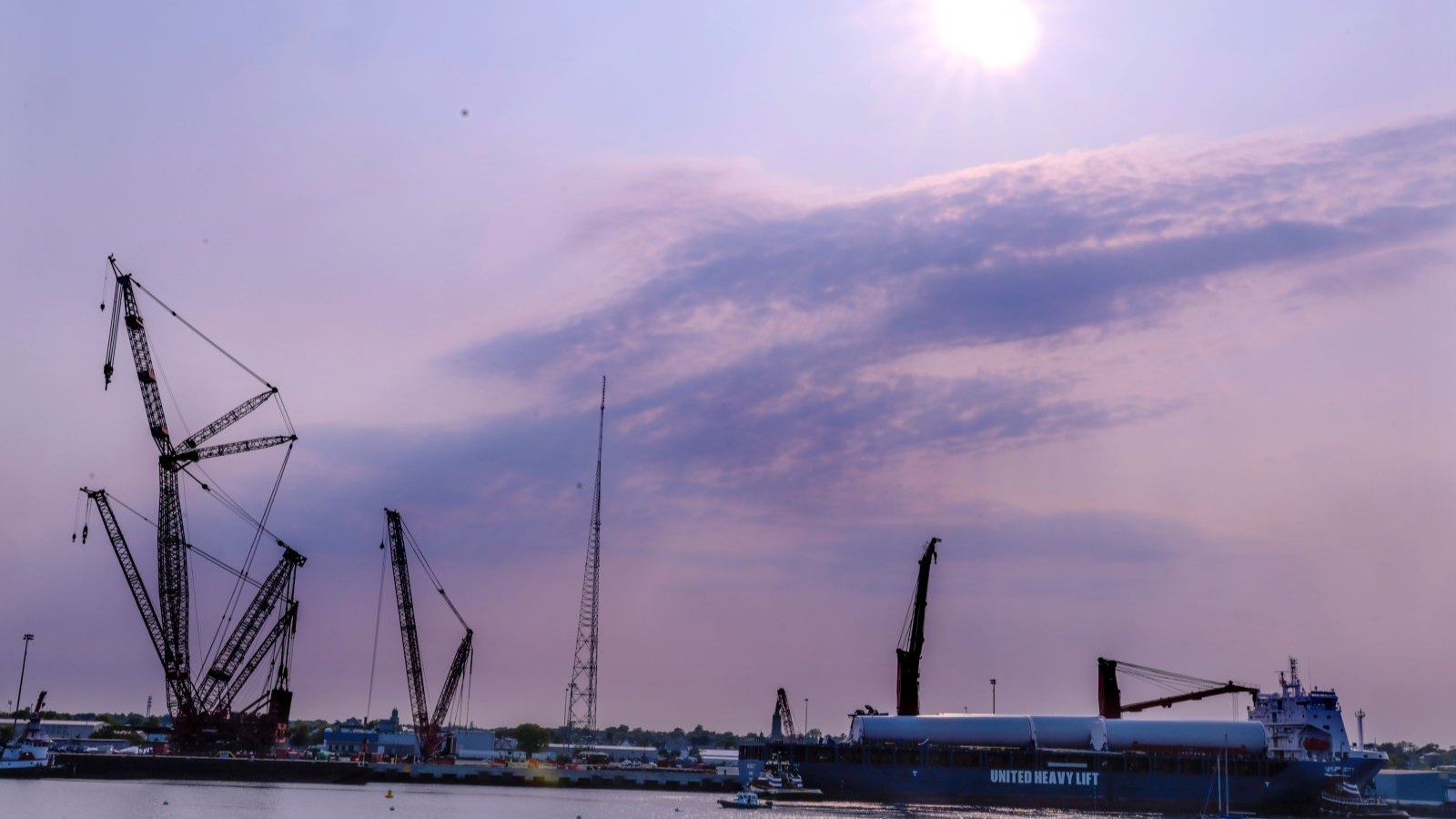
The East Coast faces significant challenges in meeting its clean energy objectives as the offshore wind industry falters under economic pressures and federal policy actions. The region’s power infrastructure is aging and congested, with limited space for large-scale renewable development on land, making offshore wind a critical component of states’ climate strategies. However, project momentum has slowed considerably following policy shifts at the federal level.
Offshore wind developers encountered substantial obstacles when the Trump administration took office in 2025. The administration implemented Pentagon reviews of projects, revoked permits, issued stop-work orders, and pursued a strategy of compensating developers to relinquish their development rights in federal waters. By mid-August, approximately $4 billion in payouts had been committed, eliminating an estimated 21 gigawatts of potential capacity. Industry observers indicate that additional buyout deals may be forthcoming, and workers in the sector are experiencing frustration over project delays.
Despite these setbacks, nine companies maintain offshore wind development leases, including major European energy firms such as Shell, Orsted, and Avangrid. These companies have not yet accepted buyout offers, though some appear unlikely to pursue development under current conditions. The timing of these project delays is particularly problematic given growing electricity demand across regional grids from data centers, electrification initiatives, and manufacturing expansion. Grid operators project significant supply shortfalls in coming years, with the mid-Atlantic grid facing potential deficits of 7.8 gigawatts by 2033.
States including New York, Massachusetts, and Maryland have integrated offshore wind prominently into their climate plans, designating it as essential or a cornerstone of their emissions reduction strategies. The geographic constraints of the Eastern U.S. limit viable alternatives, as the region lacks the expansive, sparsely populated terrain suitable for utility-scale solar and wind development found in western states. Most Eastern states have not yet revised their climate targets downward despite project cancellations and delays, raising questions about whether their emissions goals remain achievable. Some industry advocates note that improving electricity prices and the limited remaining duration of the current administration’s term may eventually improve conditions for project development.
Article Attribution | Read More at Article Source
Article summary produced by Claude AI