

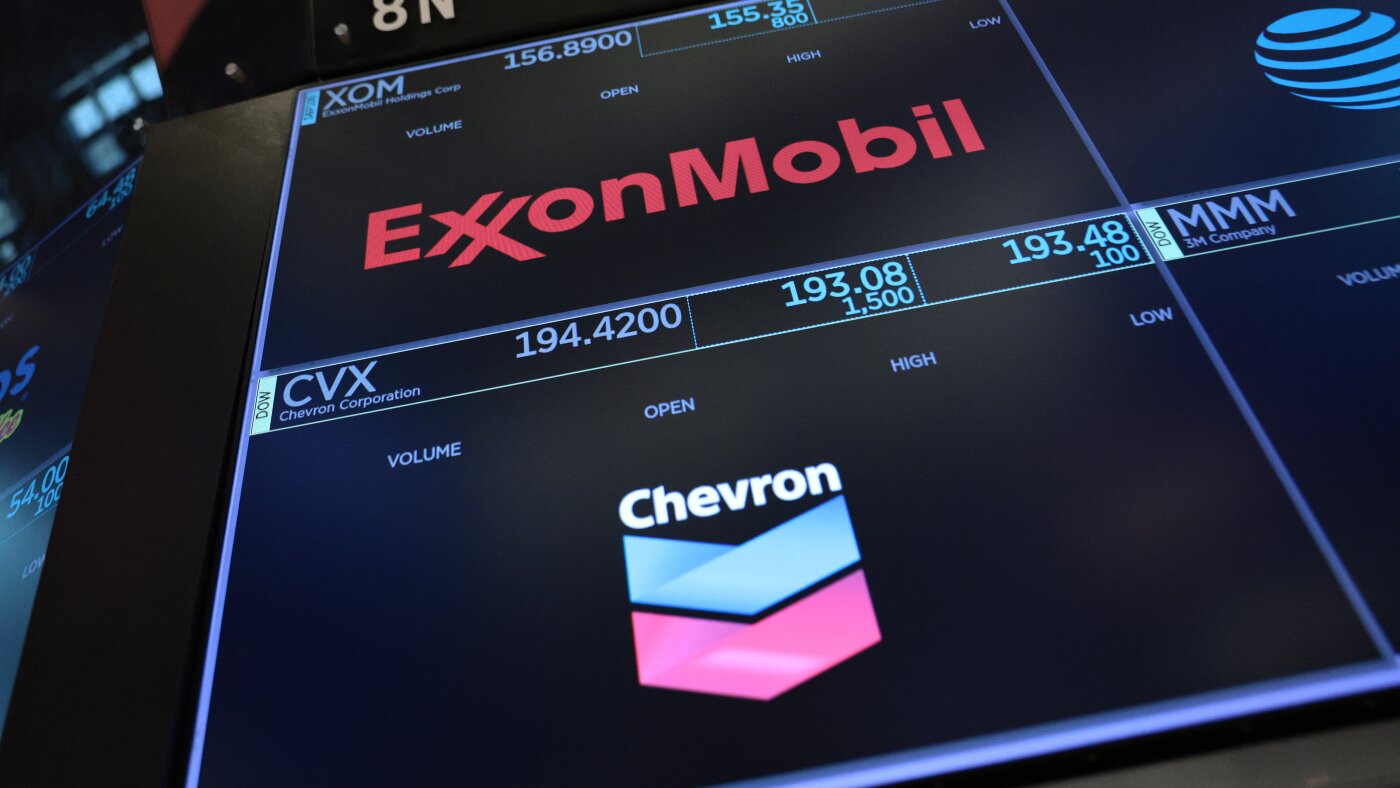
Three of the world’s largest oil producers announced exceptionally strong financial results in recent earnings reports. Chevron disclosed its highest quarterly earnings on record, Shell reported its second-best quarterly performance, and ExxonMobil achieved roughly double its year-over-year earnings despite missing analyst expectations. Combined, these three firms generated approximately $404 million in daily profits over the preceding three-month period. Specific results included ExxonMobil’s $14.5 billion in quarterly profits, Chevron’s $12.1 billion, and Shell’s $9.8 billion.
The exceptional profitability stems primarily from geopolitical disruptions affecting global oil supplies. A conflict involving Iran has effectively closed the Strait of Hormuz, a critical export passage for crude oil, with only five vessels confirmed transiting the waterway on a recent Thursday. Additional Middle East tensions have disrupted refined fuel exports, while attacks on Russian refining capacity have further constrained global supplies of gasoline, diesel, and jet fuel. These supply constraints have elevated crude prices and refining margins to levels that offset operational disruptions experienced by major producers with Middle Eastern assets.
The elevated energy costs resulting from supply shortages have triggered political responses in multiple jurisdictions. Democratic Senator Sheldon Whitehouse has proposed a U.S. windfall tax targeting oil industry profits, while several European nations have called for similar measures. The United Kingdom maintains an existing windfall tax, and the European Union implemented such a tax following 2022 price increases tied to events in Ukraine. These taxes aim to capture profits generated by external circumstances rather than company performance and typically redirect revenue toward consumers facing higher energy costs.
Oil company executives have resisted windfall taxation proposals. ExxonMobil’s chief executive characterized such taxes as misguided policy and noted the company had previously cancelled European investments in response to comparable measures. Industry leaders acknowledge the current profit environment likely remains temporary, anticipating eventual stabilization of Middle Eastern crude flows. Rather than pursuing immediate production expansion or shareholder distributions, major producers are prioritizing debt reduction and financial strengthening while discussing long-term, cautious development of new oil fields spanning multiple decades.
Article Attribution | Read More at Article Source
Article summary produced by Claude AI