

Oil prices declined this week following optimistic signals from US Treasury Secretary Scott Bessent and Qatar’s Foreign Ministry regarding a potential draft agreement to resolve the US-Iran conflict. Brent crude retreated to approximately $80 per barrel, reversing earlier geopolitical risk premiums that had supported the market.
President Trump intensified criticism of major US oil producers, accusing ExxonMobil and Chevron of excessive profitability and calling on them to reduce retail prices. The administration’s stance reflects frustration over refining margins, which have doubled since March to reach $60 per barrel on a 3-2-1 crack spread basis, significantly outpacing crude price gains of $11 per barrel. Average US gasoline pump prices stood at $4.08 per gallon, representing a 30% increase from a year earlier despite the recent crude decline.
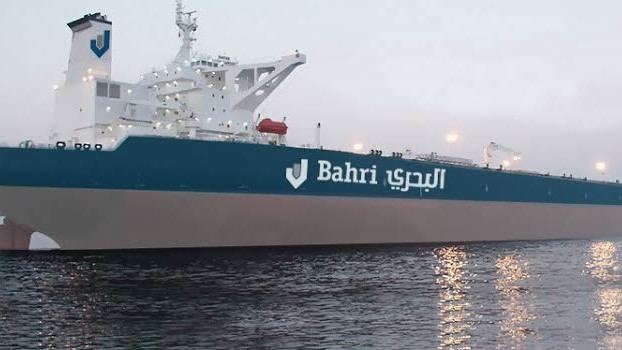
Global energy markets continued to show volatility across multiple sectors. Shell agreed to divest its European onshore renewables portfolio to TotalEnergies, while BP completed the sale of its German refinery to Klesch Group. OPEC+ members moved forward with phased production increase plans, with seven nations set to raise combined output by 188,000 barrels per day in September. Disruptions at the Strait of Hormuz persisted, with the Minoan Pioneer tanker struck and a crew member missing, pushing Hormuz transits to two-month lows.
Regional oil companies reported mixed results. Saudi Aramco posted Q2 profits of $33.4 billion, reflecting strong crude prices averaging $108.10 per barrel despite production constraints. ADNOC announced it would transition its pricing mechanism from Murban futures to Platts Dubai effective November 1, responding to market demands for prompter pricing amid supply route disruptions. Qatar’s LNG expansion projects advanced, with commissioning underway on North Field East and first volumes expected by summer 2027.
Article Attribution | Read More at Article Source
Article summary produced by Claude AI