

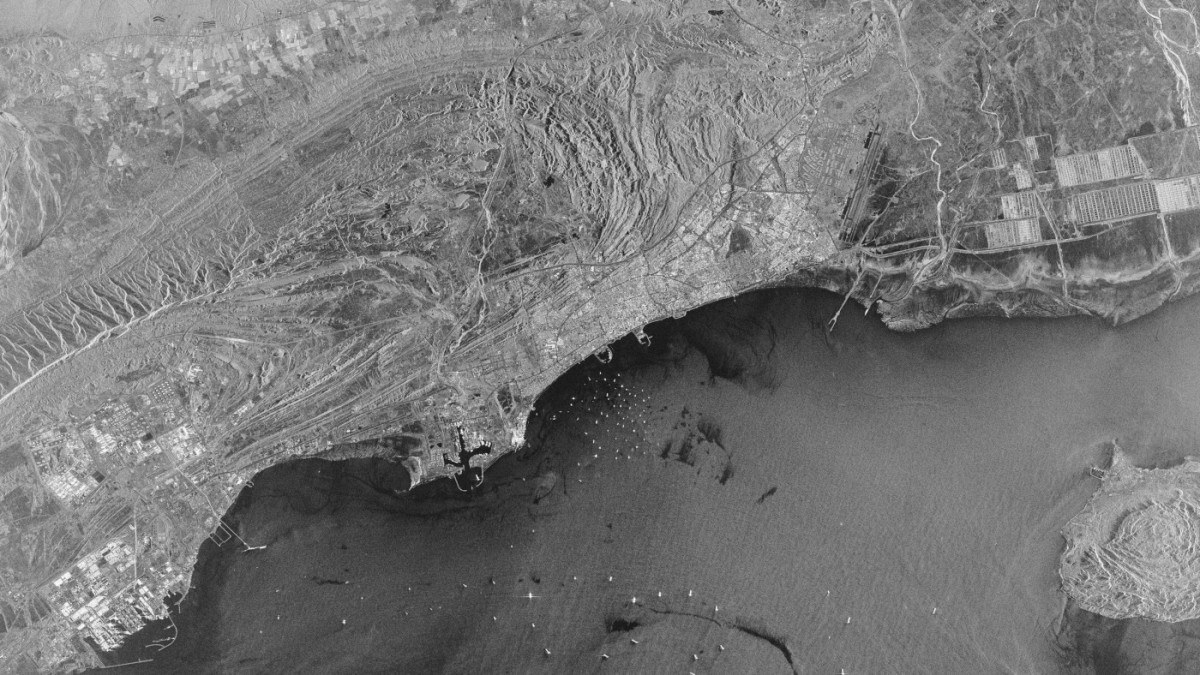
Crude oil markets moved closer to the $100-per-barrel threshold amid heightened geopolitical risk, driven primarily by the Trump administration’s announcement of economic sanctions against Iran and threats toward nations conducting trade with Tehran. Brent crude reached $94 per barrel, while Asian liquefied natural gas prices climbed to $24 per million British thermal units. Traffic through the Strait of Hormuz declined to single-digit daily transits throughout the week, a critical chokepoint for global energy supplies.
The escalating tensions prompted several regional responses aimed at reducing reliance on the strategic waterway. Iraq’s government approved contracts allowing crude exports through alternative routes through the remainder of the year, while also announcing ambitious plans to expand production capacity to 8–10 million barrels daily within six years. The administration approved these measures as a means to protect government revenues and diversify export pathways away from Hormuz-dependent infrastructure.
Global energy markets demonstrated growing flexibility in adapting to supply disruptions. Japan significantly increased imports from the United States, with crude shipments surging to record levels and accounting for over one-third of total Japanese oil intake. Venezuela’s crude output continued reaching approximately 1.25 million barrels daily, with more than 500,000 barrels flowing to US refiners. Additionally, Iranian crude pricing dynamics shifted, with limited new shipments to Asia and reduced floating storage pushing some barrels to premium valuations rather than the traditional discount.
Beyond the Middle East crisis, multiple global energy developments created additional market pressures. The Panama Canal Authority announced transit restrictions due to drought conditions, threatening to create vessel queues and higher transportation costs. Meanwhile, Indonesia’s biodiesel mandate directive and drought concerns drove palm oil prices to 20-month highs. In the minerals sector, the US government allocated $500 million in federal grants across processing, recycling, and battery-material projects to reduce supply-chain dependence on China.
Article Attribution | Read More at Article Source
Article summary produced by Claude AI