

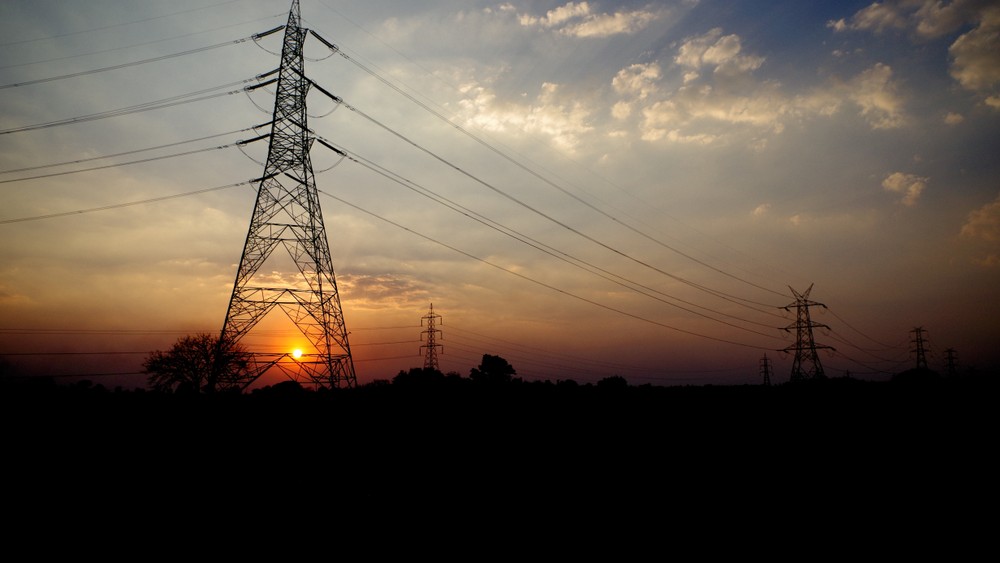
Azerbaijan, long dependent on oil and gas production since the mid-19th century, is undertaking a significant energy transition to expand its renewable capacity. As of 2023, natural gas supplied 67 percent of the nation’s energy, while oil and petroleum products accounted for 31.1 percent, leaving renewables and hydropower contributing less than 2 percent of the total energy mix.
The government has secured substantial international support for this diversification effort. In March 2025, the World Bank approved the Azerbaijan Scaling-Up Renewable Energy Project with a $173.5 million loan, designed to strengthen transmission infrastructure and attract private investment in renewable sectors. This financing is expected to catalyze approximately $384 million in private investment. In November 2025, Azerbaijan updated its climate action plan with targets to reduce greenhouse gas emissions by 40 percent from 1990 levels and increase renewable energy’s share to 30 percent by 2030, with recent progress suggesting the country may exceed this goal and reach 38 percent.
Recent renewable energy projects demonstrate this momentum. The 240-megawatt Khizi-Absheron Wind Farm became operational in January 2026, while agreements signed in 2025 include a $200 million solar project in Karabakh with BP and a 200-megawatt offshore wind initiative with China Energy Engineering Corporation. The government has also designated 711.4 square kilometers of Caspian Sea waters for offshore wind development.
Beyond domestic capacity building, Azerbaijan aims to establish itself as a renewable energy exporter through green energy corridors connecting Asia and Europe. These include the Caspian-Black Sea-Europe Corridor, the Azerbaijan-Türkiye-Europe Corridor, and the Central Asia-Azerbaijan-Europe Corridor, collectively designed to transport 10 gigawatts of renewable electricity once complete. A 2022 strategic partnership agreement with Georgia, Romania, and Hungary supports corridor development.
Government incentives have proven effective in attracting investment, including tax breaks for projects valued up to $17.7 million and facilities with capacity exceeding 100 megawatts. While hydrocarbons remain central to Azerbaijan’s economy, contributing nearly half of gross domestic product, these initiatives reflect a commitment to establishing diversified energy infrastructure and positioning the nation as a regional clean energy hub.
Article Attribution | Read More at Article Source
Article summary produced by Claude AI