

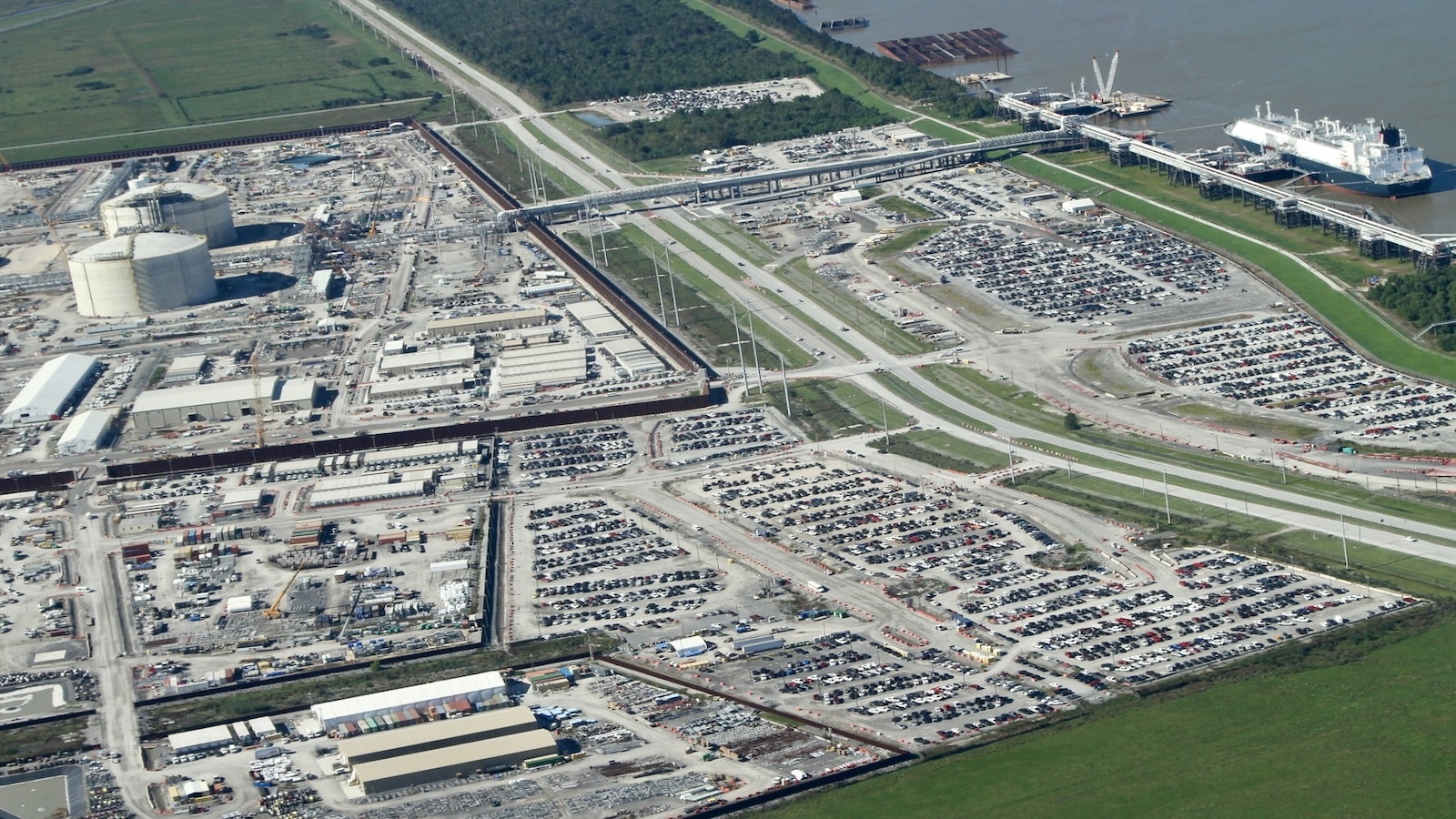
Plaquemines LNG, a liquefied natural gas export facility located roughly 25 miles south of New Orleans, has initiated proceedings for an approximately $18 billion expansion. The project would roughly double the terminal’s footprint from nearly 590 acres to about 1,220 acres along the Mississippi River, positioning it as the largest LNG export terminal in North America, according to its owner, Virginia-based Venture Global.
The expansion is being processed under an expedited permitting framework established through a national energy emergency declaration issued last year. Under this emergency protocol, the U.S. Army Corps of Engineers has compressed the standard public comment period from 30 days to 10 days and is expected to move rapidly toward approval. According to Army Corps assessments, the expansion project could affect up to 470 acres of wetlands and river bottoms in central Plaquemines Parish. Environmental organizations have raised concerns that the abbreviated review process will reduce scrutiny of dredging operations, in-water construction activities, and wetland filling in an area already experiencing significant land loss.
Plaquemines Parish has experienced substantial coastal erosion, having lost more than 250 square miles of land over the past 60 years due to subsidence, sea level rise, and erosion. State projections indicate an additional 300 square miles—approximately half of the parish’s remaining land—could disappear within the next 50 years. Louisiana as a whole has lost nearly 2,000 square miles of coastal territory since the early 1900s.
The terminal currently operates as one of Louisiana’s largest industrial facilities and polluters, with permitted greenhouse gas emissions of approximately 8.1 million tons annually. The proposed expansion would increase production capacity from about 1.4 trillion cubic feet of gas per year to around 2.3 trillion cubic feet, with potential emissions reaching at least 9 million tons annually. Previous year data shows most natural gas exported from the facility was destined for Europe, with Germany receiving the largest share at 19 percent. Some state officials have expressed support for the expansion based on anticipated economic benefits and job creation, while environmental advocates have questioned whether exporting natural gas aligns with domestic energy independence goals.
Article Attribution | Read More at Article Source
Article summary produced by Claude AI