

Green hydrogen development has faced significant setbacks in meeting timelines and cost expectations, with research indicating a substantial gap between announced projects and actual completion rates. A study tracking 190 projects over three years found that less than 7% of global capacity announcements were finished on schedule in 2023, highlighting widespread implementation challenges across the sector.
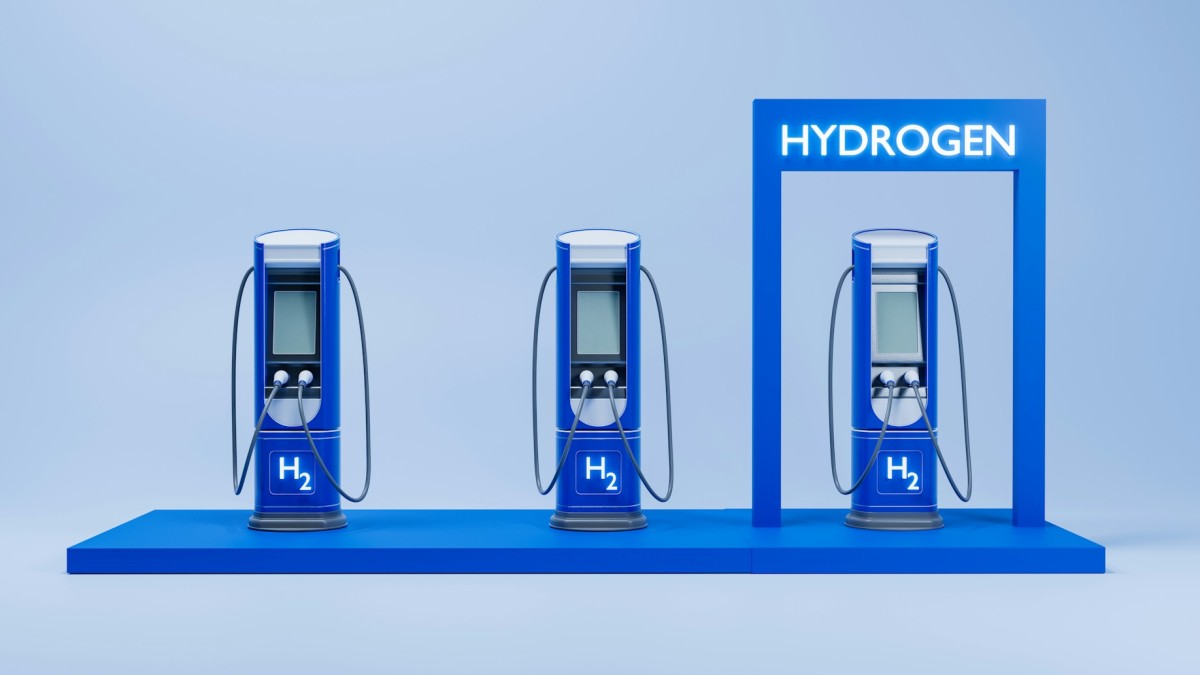
California serves as a prominent example of these difficulties. Despite two decades of investment in hydrogen as a transportation solution, the state has seen hydrogen vehicle registrations decline for the first time in 2025 to approximately 14,000 units. The number of functional hydrogen fueling stations has also contracted from 65 locations in 2023 to 57 currently, with only two-thirds of those operational. Cost remains a critical barrier, with hydrogen currently priced four times higher per mile than gasoline, even accounting for recent fuel price increases.
Investor confidence has weakened substantially as manufacturers and transit agencies hesitate to commit resources without assurance of adequate fueling infrastructure. Federal funding gaps following bankruptcies and project cancellations have left only one truck manufacturer and one bus maker offering hydrogen vehicles in North America, further constraining market development.
Experts increasingly recognize that the technology’s application scope requires recalibration. The vast majority of current hydrogen production relies on fossil fuels rather than renewable energy sources, and even green hydrogen faces competition from direct electrification alternatives that prove more efficient and cost-effective. Recent research suggests hydrogen should be strategically deployed in specific sectors including industrial processes, long-duration energy storage, and long-haul transportation, while acknowledging its failure as a solution for fuel cell vehicles and space heating applications.
Despite current challenges, hydrogen retains potential within a diversified energy strategy. Recent geopolitical developments have renewed cautious interest from major economies including China, the United States, and the European Union, creating opportunities to redirect investment toward applications where hydrogen offers genuine environmental and economic advantages compared to alternative technologies.
Article Attribution | Read More at Article Source
Article summary produced by Claude AI