

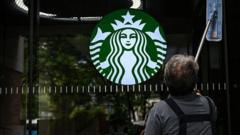
South Korean authorities conducted a police raid at Starbucks Korea’s national headquarters in connection with a defamation investigation related to a problematic promotional campaign. The incident centered on a coffee tumbler promotion called “Tank Day” that launched in May on the anniversary of the 1980 Gwangju Uprising, a historical event in which military forces killed hundreds of pro-democracy protesters.
The campaign drew widespread criticism because observers interpreted the “tank” branding as a reference to military vehicles used against demonstrators during the uprising. The promotion quickly triggered a significant boycott movement across the country. Civic groups filed a criminal complaint against the company, alleging that the campaign defamed victims of the military dictatorship era. Starbucks Korea initially stated the naming choice was unintentional, but the damage to the company’s reputation proved substantial.
Shinsegae Group, which operates Starbucks throughout South Korea, subsequently launched an internal investigation into the campaign’s development. The company determined that the planning team had not recognized the historical connection, and upper management similarly failed to identify the problematic association before launch. Additionally, promotional materials for the tumbler featured the phrase “tak on the table,” which critics noted referenced a controversial 1987 police statement regarding a student activist’s death in custody.
In response to the backlash, Starbucks closed stores across the country for half a day in June to provide staff with history education. Shinsegae issued a formal apology for what it termed “inappropriate marketing” and acknowledged that the Tank Day controversy had resulted in significant sales declines in South Korea, one of the coffee chain’s major markets globally. The company removed its chief executive from the position.
The scandal became entangled in South Korean political discourse, with President Lee Jae Myung among prominent figures criticizing the campaign. The internal ministry announced a government-level boycott, while opposition leadership responded with counterarguments. Subsequently, Starbucks cups have acquired political symbolism, appearing in right-wing rallies and online spaces as symbols of opposition to the government.
Article Attribution | Read More at Article Source
Article summary produced by Claude AI