

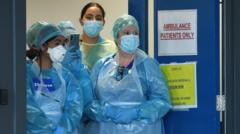
The Covid inquiry concluded that personal protective equipment failures endangered both NHS workers and patients throughout the pandemic, while resulting in substantial financial waste. The chair of the inquiry, Baroness Hallett, identified £9.9bn in wasteful spending—representing two-thirds of the £14.9bn total government expenditure on PPE. The UK began the pandemic with critically depleted stockpiles of masks, gowns, and gloves, and the nation was ill-prepared for competition in global supply markets.
The emergency PPE stockpile, designed to sustain operations for at least 15 weeks before replenishment, became exhausted by late March 2020 as hospital demand intensified. Only approximately one-third of masks held in England’s pandemic stockpile were functional, while Scotland possessed no supplies of high-grade respiratory masks required for hospital use. Care homes, GP surgeries, and pharmacies were compelled to procure their own protective equipment—a situation characterized as a significant planning shortfall. Across the UK nations, substantial quantities of equipment were ultimately written off as unused or expired: £9.9bn in PPE and healthcare supplies in England, £8mn in Scotland, £18m in Wales, and £43m in Northern Ireland.
The inquiry criticized a controversial “high priority lane” established in April 2020 to expedite PPE contract awards based on recommendations from government figures. Baroness Hallett described this system as a “misguided attempt at prioritisation” that “embedded unfairness in emergency procurement.” However, she stated there was “no evidence of cronyism or corruption” by ministers or officials in final contract decisions. Certain aspects of the investigation, particularly regarding PPE Medpro—a firm linked to businessman Doug Barrowman and Baroness Michelle Mone—remained under closure due to an ongoing National Crime Agency investigation.
The inquiry’s recommendations included a comprehensive overhaul of emergency PPE procurement and distribution systems, development of a domestic healthcare equipment strategy treating key supplies as strategic national assets, and improvements to the pandemic stockpile maintained in Merseyside. The government acknowledged the report’s difficult findings and committed to carefully considering the recommendations.
Article Attribution | Read More at Article Source
Article summary produced by Claude AI