

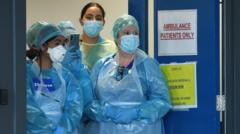
An inquiry into the United Kingdom’s pandemic response has concluded that healthcare workers and patients faced significant safety risks due to insufficient personal protective equipment availability, while a substantial portion of government spending on PPE procurement resulted in waste.
The inquiry chair determined that approximately £9.9bn of the £14.9bn allocated to PPE purchases was wasted through inefficient procurement practices. The overall government expenditure on pandemic-related supplies, including testing kits and ventilators, between January 2020 and June 2022 exceeded £42bn. The UK’s emergency PPE stockpile, designed to sustain operations for at least 15 weeks, became depleted by the end of March 2020 as hospital demand intensified. Investigation findings indicated that only one-third of masks held in England’s stockpile remained functional, while Scotland possessed no supplies of medical-grade respiratory masks required for hospital use.
The inquiry identified significant planning deficiencies in the initial pandemic response. Care facilities, general practices, and pharmacies were required to independently procure their own protective equipment, representing a critical oversight in emergency preparedness. Ultimately, £9.9bn worth of PPE was written off due to non-use or expiration, along with £157m in unused healthcare equipment. Additional losses included £143m related to the ventilator development program and regional write-offs across Scotland (£8mn), Wales (£18m), and Northern Ireland (£43m).
The inquiry examined a government initiative established in April 2020 known as the high priority lane for PPE contract awards. This system accelerated consideration of supply offers when accompanied by endorsements from ministers, MPs, peers, or senior officials. The chair characterized this approach as misguided and unfair, noting it undermined public confidence during a critical period. However, the inquiry found no evidence of deliberate corruption or cronyism in final contract decisions by government officials and ministers, though some suppliers benefited from preferential treatment linked to government connections.
The report recommended comprehensive reform of emergency procurement and distribution systems, development of domestic healthcare equipment production capacity, and improvement of the national pandemic stockpile. Officials stated the government would review these recommendations for future preparedness measures.
Article Attribution | Read More at Article Source
Article summary produced by Claude AI