

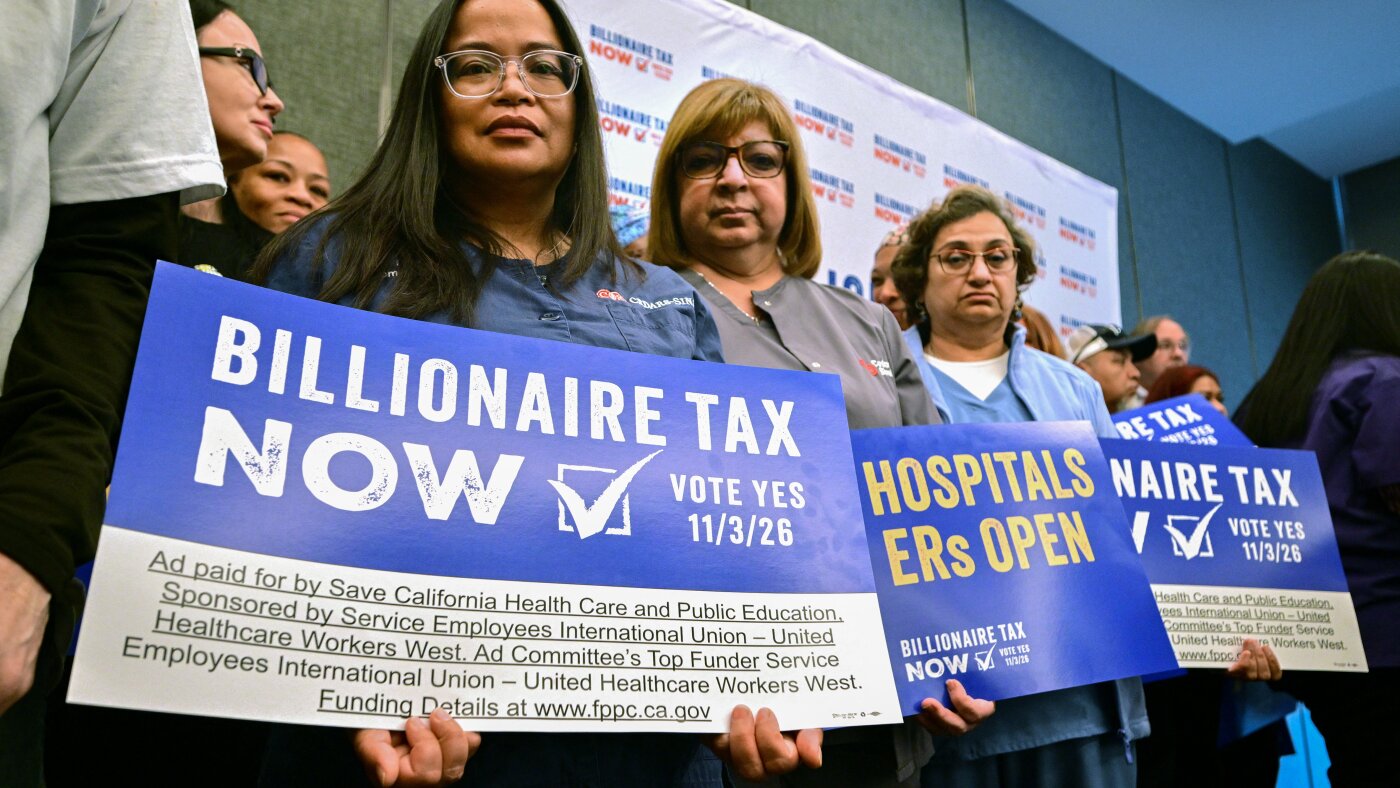
A contentious ballot measure in California would impose a one-time 5% tax on the assets of approximately 250 billionaires residing in the state, with the vote scheduled for November. Proposition 40, formally known as the measure, would direct 90% of collected revenue toward healthcare services, with the remaining 10% allocated to food assistance and public education initiatives.
Union leader Dave Regan, president of SEIU United Healthcare Workers West, designed the proposal to address anticipated losses in federal healthcare funding resulting from federal tax and spending legislation enacted in 2025. Regan argues the tax targets an exceptionally narrow segment of the population, emphasizing that billionaires collectively hold $2.4 trillion in wealth—an amount equivalent to the annual income of all non-billionaire Californians combined. Supporters contend that this wealthy minority should contribute to maintaining essential services for the state’s residents.
Opposition to the measure has mobilized significant resources and political figures. Democratic Governor Gavin Newsom has voiced concerns that the tax would damage California’s economy, which relies heavily on profitable technology companies in Silicon Valley. Tech billionaire Sergey Brin has committed $102 million to a campaign opposing the measure through a group called Building a Better California, which he co-founded with former Google CEO Eric Schmidt. Other wealthy individuals, including venture capitalist John Doerr and crypto executive Chris Larsen, have also provided substantial funding to defeat the proposal.
A central point of contention involves whether the tax would prompt billionaires to relocate from California. Opponents argue that wealthy residents fleeing the state would undermine California’s tax base, noting that approximately 1% of residents currently pay nearly 50% of all personal income taxes. Supporters counter that concerns about capital flight are often exaggerated and that wealthy individuals who have built fortunes using state infrastructure have obligations to contribute. Economist Thomas Piketty has previously argued that capital flight concerns are typically overstated in wealth tax debates.
Critics of Proposition 40 also question whether it addresses underlying structural problems with long-term healthcare funding sustainability, with some expressing skepticism about whether revenues would ultimately be directed toward stated purposes rather than other state priorities.
Article Attribution | Read More at Article Source
Article summary produced by Claude AI