

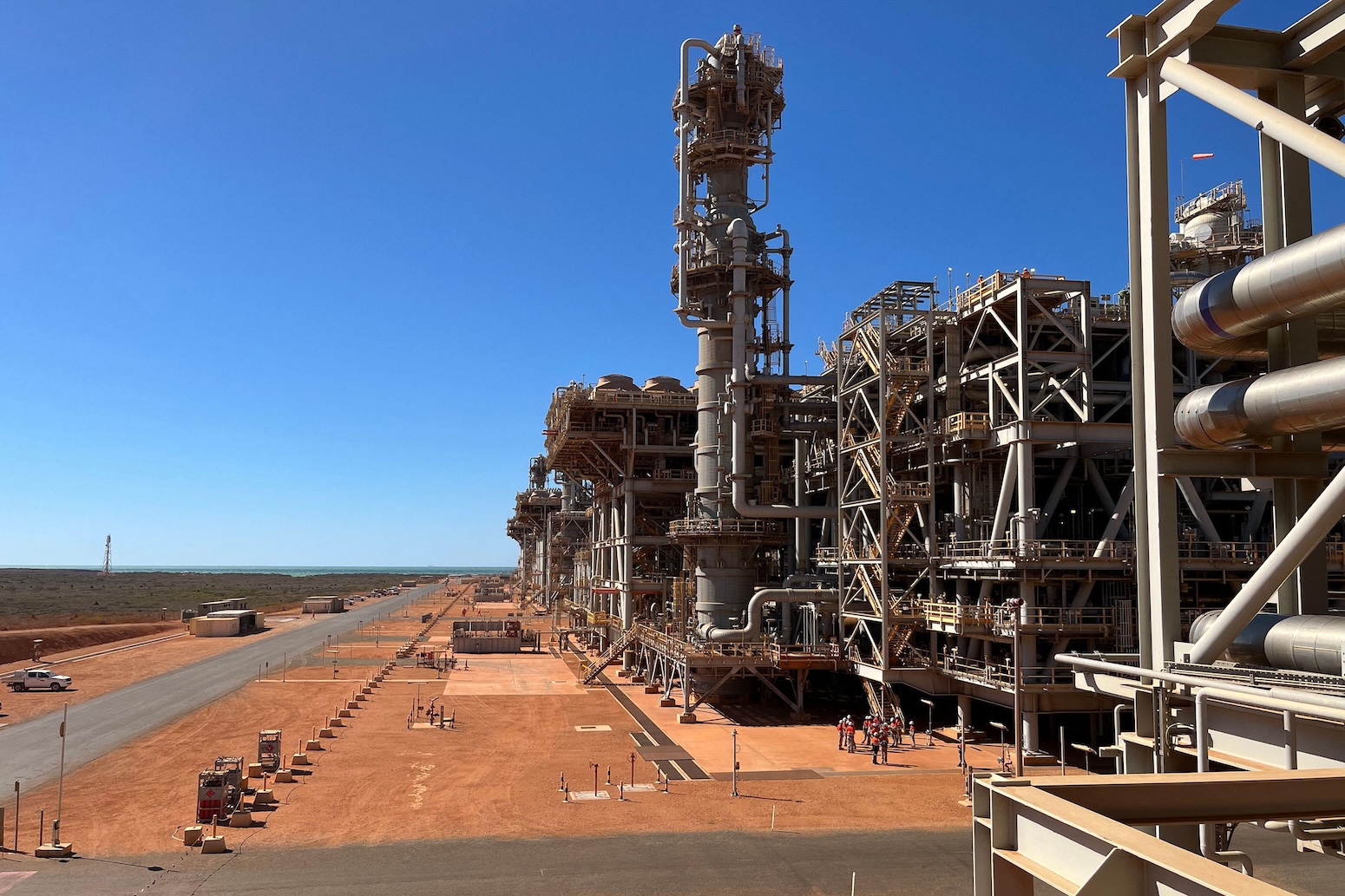
Carbon capture and storage (CCS) technology separates carbon dioxide from industrial emissions and stores it underground to prevent atmospheric release. Major organizations including the Intergovernmental Panel on Climate Change designate CCS as essential for decarbonizing hard-to-abate sectors such as cement and steel production. The UK has committed up to £21.7bn toward developing its CCS industry as part of its net-zero strategy, with projects scheduled for deployment in the late-2020s and early 2030s.
As of February 2026, approximately 75 operational CCS projects exist globally, capturing 62.5 million tonnes of CO2 annually—equivalent to Ecuador’s yearly greenhouse gas emissions. However, this represents a tiny fraction of total fossil-fuel emissions. The vast majority of current captured CO2 is used for enhanced oil recovery in the petroleum industry, and most projects are located at fossil-fuel extraction sites rather than industrial facilities where CCS could most benefit climate goals.
Despite theoretical support from climate modeling, CCS deployment has consistently underperformed expectations. Critics contend the technology remains unproven at required scales, citing high costs relative to increasingly affordable renewable energy alternatives. Recent analyses suggest net-zero scenarios relying heavily on CCS would cost substantially more than those prioritizing renewables. Additionally, existing projects frequently fall short of 90% capture rates, with assessments indicating many achieve only around 50% efficiency, potentially limiting their climate impact.
The technology also attracts criticism for its connection to the fossil-fuel industry and concerns about perpetuating gas dependence. The UK’s cluster-based approach has been questioned for not sufficiently prioritizing the industrial sectors most difficult to decarbonize. Meanwhile, climate modeling pathways envision needing 30 times more CCS capacity by 2035 than currently exists, prompting debate over feasibility and cost-effectiveness. The International Energy Agency has reduced its outlook for power sector CCS by a third since 2021, reflecting both slow progress and rapid renewable cost decreases.
Article Attribution | Read More at Article Source
Article summary produced by Claude AI