

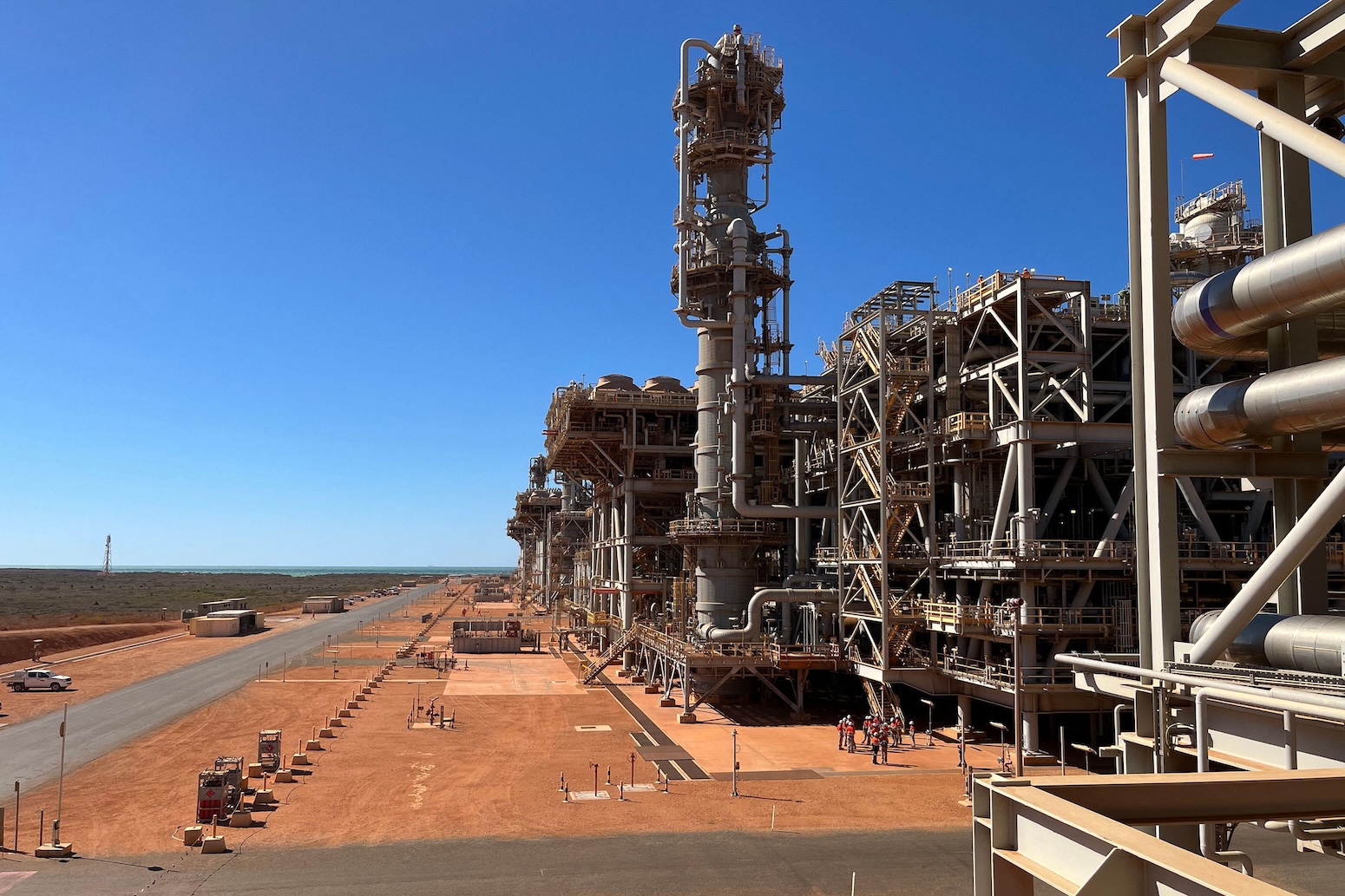
Carbon capture and storage (CCS) is a technology that separates carbon dioxide from industrial emissions, compresses it into liquid form, and stores it permanently underground in depleted oil fields or saline aquifers. The approach has become central to many nations’ plans for achieving net-zero emissions, with influential organizations including the Intergovernmental Panel on Climate Change describing it as critical for decarbonizing hard-to-abate sectors such as cement and steel production.
Currently, the technology operates at limited scale. As of February 2026, 75 operational CCS projects worldwide capture approximately 62.5 million tonnes of CO2 annually—equivalent to Ecuador’s yearly emissions and representing a tiny fraction of global fossil-fuel emissions. The majority of captured CO2 historically has been used for enhanced oil recovery at fossil-fuel extraction sites rather than permanent storage. However, a substantial pipeline of projects is under development, with capacity under construction and in planning stages that could significantly expand permanent CO2 storage facilities across industrial sectors if realized.
Under most net-zero scenarios assessed by the IPCC, CCS plays an essential role, with the International Energy Agency stating that net-zero would be “virtually impossible” without it. The technology is considered particularly vital for industries lacking cost-effective decarbonization alternatives. Nevertheless, expectations for CCS have been repeatedly scaled back as deployment has proceeded more slowly than anticipated. The IEA reduced its power-sector CCS outlook by one-third compared to 2021 projections, reflecting both sluggish progress and rapid cost reductions in renewable energy alternatives.
CCS faces substantial criticism from multiple quarters. Critics argue the technology remains unproven at required scales, with existing projects frequently falling far short of target capture rates—typically around 50 percent compared to recommended standards of 90-95 percent. Cost analyses suggest a low-CCS pathway to net-zero could save approximately one trillion dollars annually compared to high-CCS scenarios. Additionally, CCS attracts controversy due to its association with the fossil-fuel industry and concerns that it may lock economies into continued gas dependence rather than accelerating transition to renewable energy sources.
The United Kingdom has committed up to £21.7 billion in funding to establish five initial CCS clusters, positioning itself as an early sector leader. Government climate advisors maintain CCS is essential for net-zero, though recent policy guidance has tempered expectations, with CCS projected to contribute approximately 2 percent of emissions reductions by 2030 and 8 percent by 2050. Debate continues regarding whether governments should prioritize CCS investment in hard-to-abate sectors such as cement production or approve broader applications including gas-fired power plants and hydrogen production.
Article Attribution | Read More at Article Source
Article summary produced by Claude AI