

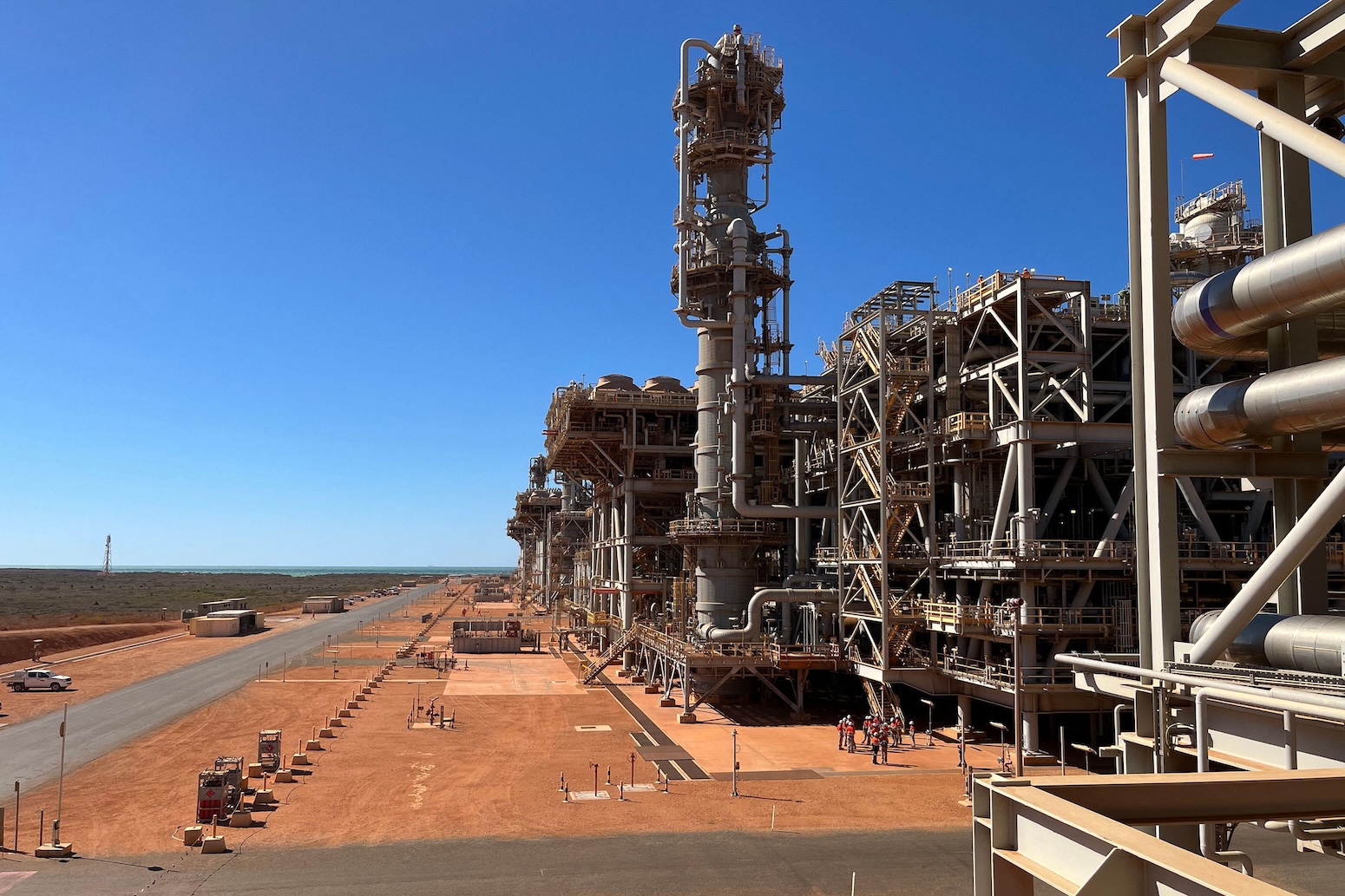
Carbon capture and storage (CCS) involves collecting carbon dioxide emissions from industrial sources such as power plants and cement factories, then permanently storing the gas underground to prevent atmospheric release. The captured CO2 is typically separated using chemical solvents, compressed into liquid form, and transported via pipeline or vehicle to underground reservoirs including depleted oil fields and saline aquifers. Some captured CO2 is also utilized in products like fertilizers and building materials, though such uses do not guarantee permanent emissions reductions.
The technology has been employed since the early 1970s at oil wells in the United States and Canada for enhanced oil recovery—a process that stores CO2 while simultaneously extracting additional petroleum. Historically, the majority of captured CO2 has been directed toward this purpose, with approximately three-quarters continuing to support fossil fuel extraction today. Most current CO2 capture occurs as a byproduct of natural gas purification, with the sale of captured gas helping to improve project economics for energy companies.
CCS emerged as a proposed climate solution in the early 2000s, following a 1976 academic proposal and a 2005 assessment by the Intergovernmental Panel on Climate Change. The IPCC and other influential organizations have designated CCS as critical for decarbonizing high-emission industries where few alternative options exist. Multiple nations, including the UK, have committed substantial investment in developing CCS infrastructure as part of broader net-zero strategies. As of February 2026, approximately 75 CCS projects operate globally, capturing roughly 62.5 million tonnes of CO2 annually—a quantity equivalent to Ecuador’s yearly emissions.
Despite decades of recognition, CCS deployment has proceeded more slowly than anticipated. Early enthusiasm for retrofitting coal power plants with CCS technology largely diminished as renewable energy costs declined significantly, leaving only seven operational CCS-coal facilities worldwide. Critics characterize the technology as expensive, ineffective at scale, and a distraction from more promising decarbonization approaches, noting that current capture volumes represent only a marginal fraction of total fossil fuel emissions.
Article Attribution | Read More at Article Source
Article summary produced by Claude AI