

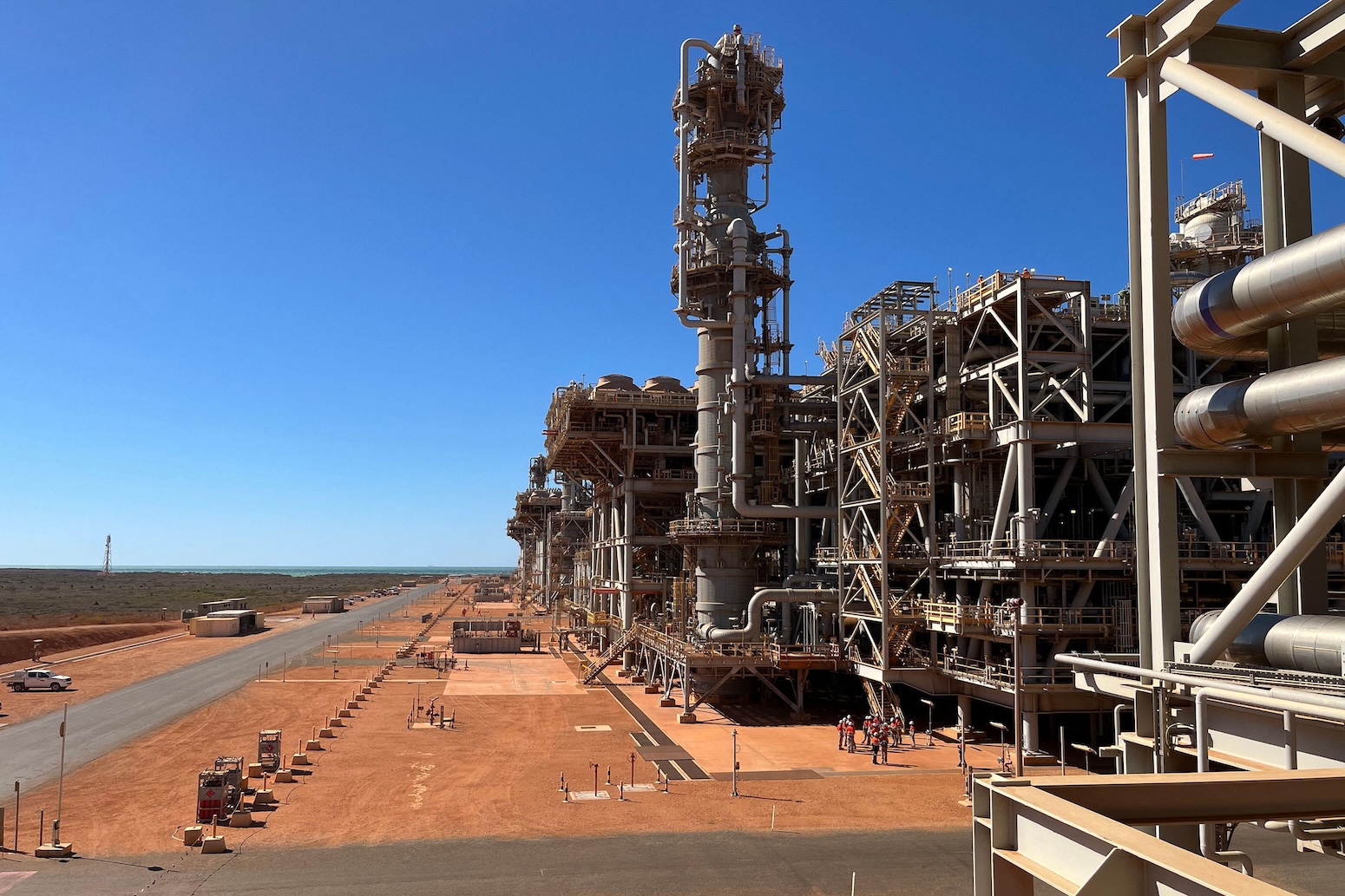
Carbon capture and storage represents a technology designed to trap carbon dioxide emissions at industrial sources such as power plants and cement factories, compress the gas into liquid form, and inject it into underground geological formations for permanent storage. This approach is positioned as a central component in numerous countries’ strategies to reach net-zero emissions goals, with international bodies such as the Intergovernmental Panel on Climate Change characterizing it as essential for reducing emissions in difficult-to-decarbonize sectors. The UK government has allocated substantial funding toward developing its domestic CCS sector as part of its net-zero strategy.
Despite its theoretical importance, CCS technology has generated considerable opposition from critics who point to escalating costs, connections to the fossil fuel industry, and a track record of disappointing results. Skeptics argue the technology represents a distraction from more viable climate solutions and remains unproven at the scale necessary to meaningfully impact global emissions. Deployment timelines have been repeatedly delayed as expected progress has failed to materialize and political support has fluctuated.
Historically, captured carbon dioxide has been primarily used in enhanced oil recovery since the 1970s, a process that paradoxically enables additional fossil fuel extraction. As of February 2026, approximately 75 operational CCS projects existed globally, capturing roughly 62.5 million tonnes of carbon dioxide annually—a volume equivalent to Ecuador’s yearly emissions but representing a minuscule portion of total fossil fuel-related emissions. Interest in applying CCS to coal power plants, which surged in the 2000s, substantially declined as renewable energy became increasingly cost-competitive. Currently, only seven coal-fired plants with CCS technology operate worldwide.
The broader history of CCS development reveals persistent implementation challenges. Initial academic proposals for the technology emerged in 1976, yet serious climate-focused development began only in the early 2000s when the IPCC issued a dedicated report. The IEA has characterized the technology’s development as largely defined by unmet expectations, with recognition of its potential having preceded actual deployment by decades.
Article Attribution | Read More at Article Source
Article summary produced by Claude AI