

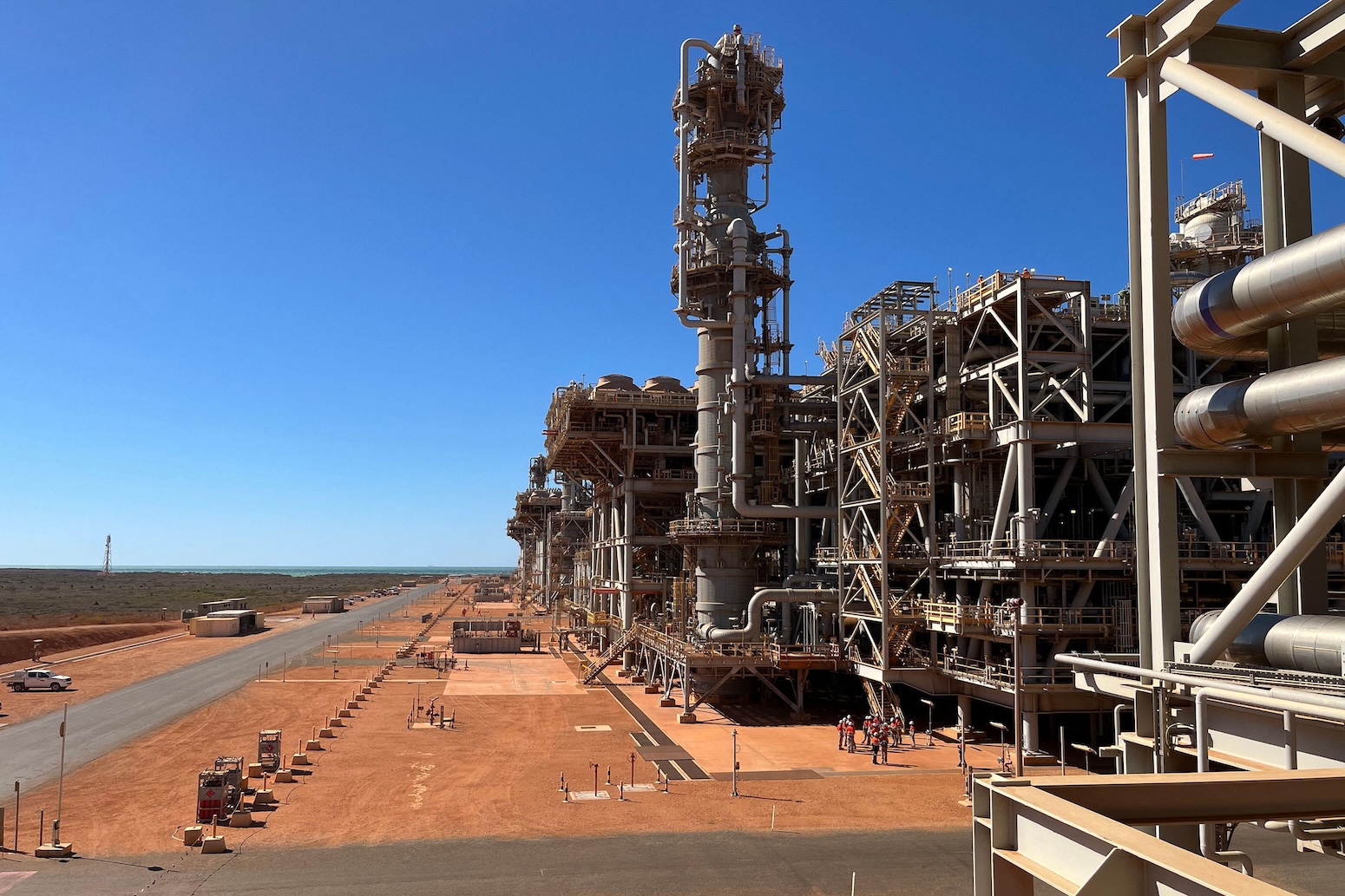
Carbon capture and storage represents a key strategy in global climate plans, with the technology designed to prevent CO2 emissions from factories and power plants from entering the atmosphere by permanently storing the gas underground. The Intergovernmental Panel on Climate Change and other influential organizations have identified CCS as essential for reducing emissions from major industrial sectors that are difficult to decarbonize through other means, such as cement manufacturing. The United Kingdom has pledged substantial investment in developing its CCS sector as part of its net-zero strategy.
Despite its theoretical importance, CCS has attracted considerable criticism from various quarters. Opponents point to escalating costs, the technology’s historical underperformance, and its connections to the fossil-fuel industry as reasons to view it with skepticism. Critics also characterize CCS as unproven at the scale necessary to create meaningful reductions in global emissions. Implementation timelines have repeatedly been scaled back as technological deployment has lagged behind expectations and political support has fluctuated.
The process involves capturing CO2 from large emission sources, compressing it into liquid form, and injecting it into underground geological formations such as depleted oil fields or saline aquifers. A related concept, CCUS, includes utilizing captured carbon in products like fertilizers or fuels, though such applications do not guarantee permanent emission reductions. Historically, captured CO2 has predominantly been used for enhanced oil recovery, a practice that simultaneously enables additional fossil fuel extraction.
As of February 2026, approximately 75 CCS projects operate worldwide, capturing roughly 62.5 million tonnes of CO2 annually. However, the vast majority of these facilities function at fossil-fuel production and processing sites rather than at manufacturing facilities or power plants. The amount of CO2 currently being captured remains negligible compared to total emissions from fossil-fuel consumption, and previous waves of interest in deploying CCS at coal power plants have substantially diminished due to the declining costs of renewable energy alternatives.
Article Attribution | Read More at Article Source
Article summary produced by Claude AI