

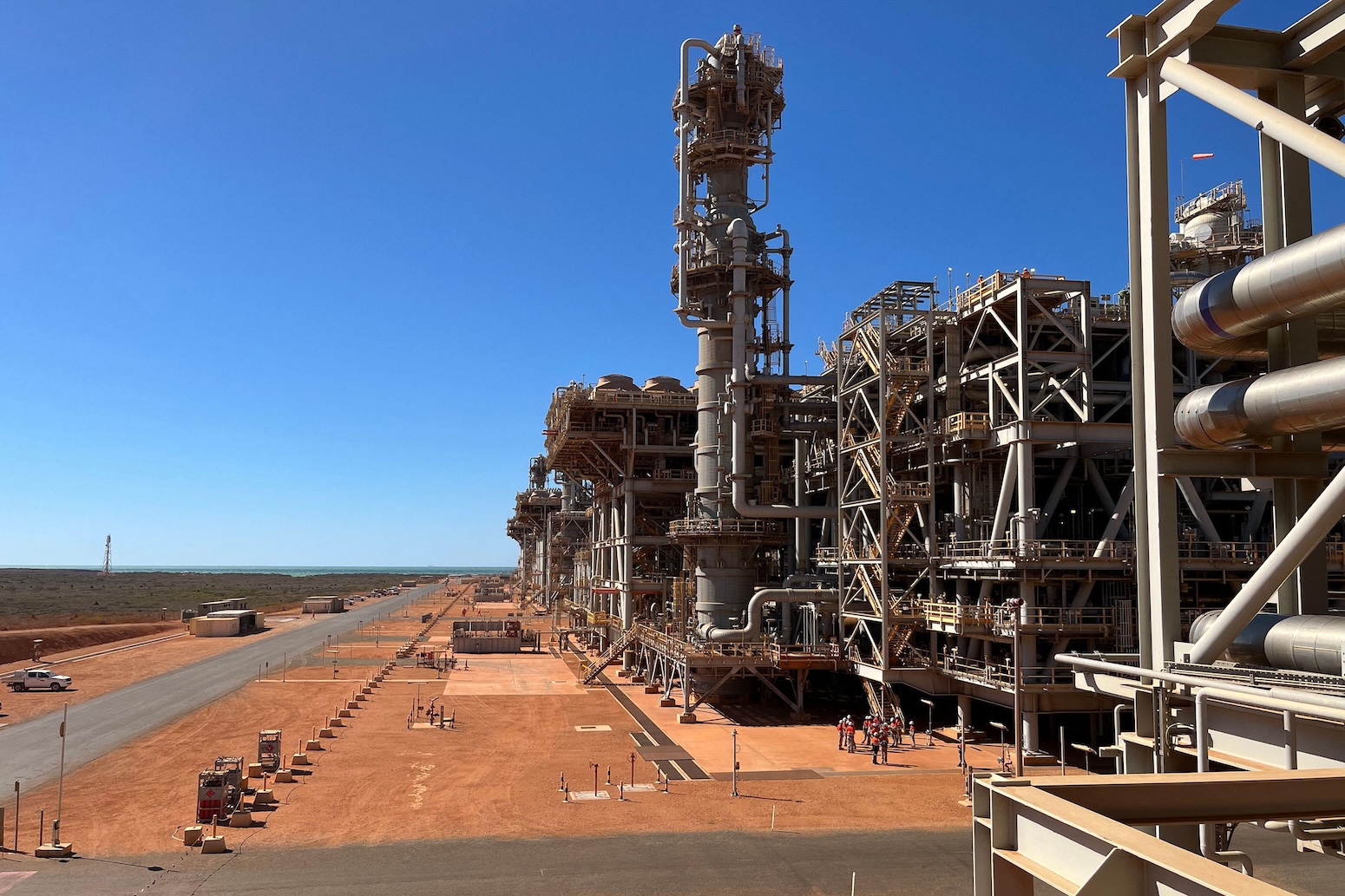
Carbon capture and storage (CCS) involves capturing carbon dioxide emissions from industrial sources such as power plants and cement factories, then compressing and permanently storing the gas underground in depleted oil fields or saline aquifers. The technology is widely recognized by influential climate organizations, including the Intergovernmental Panel on Climate Change, as essential for decarbonizing hard-to-abate sectors and achieving global net-zero emissions targets. The UK has committed to investing as much as £21.7bn in developing its CCS industry as part of its climate strategy.
Historically, CCS technology emerged in the early 1970s at US and Canadian oil extraction sites for enhanced oil recovery purposes. The technology gained prominence as a climate solution beginning in the early 2000s following an IPCC report examining its potential. As of February 2026, approximately 75 CCS projects operate worldwide, capturing around 62.5 million tonnes of carbon dioxide annually—a volume equivalent to Ecuador’s total annual greenhouse gas emissions. However, nearly all existing projects remain concentrated at fossil fuel extraction and processing facilities rather than at industrial manufacturing plants.
CCS deployment has faced significant headwinds despite decades of recognition as a potential climate tool. Interest peaked in the 2000s when European and North American countries explored using the technology to enable coal power plants to continue operating with reduced emissions. This momentum declined substantially as renewable energy costs dropped, making coal-CCS economically less attractive. Today, only seven operational CCS-coal plants exist globally, located in China, the United States, and Canada.
Critics contend that CCS represents a problematic approach to climate mitigation, characterizing it as a distraction from more direct emissions reduction strategies. Concerns center on the technology’s high costs, historical underperformance in meeting deployment targets, and connections to the fossil fuel industry. Observers note that the majority of captured carbon dioxide—approximately three-quarters—continues to support oil and gas extraction through enhanced recovery processes rather than achieving permanent atmospheric emissions reductions. This pattern raises questions about whether current CCS applications meaningfully contribute to climate objectives or primarily benefit carbon-intensive industries.
Article Attribution | Read More at Article Source
Article summary produced by Claude AI