

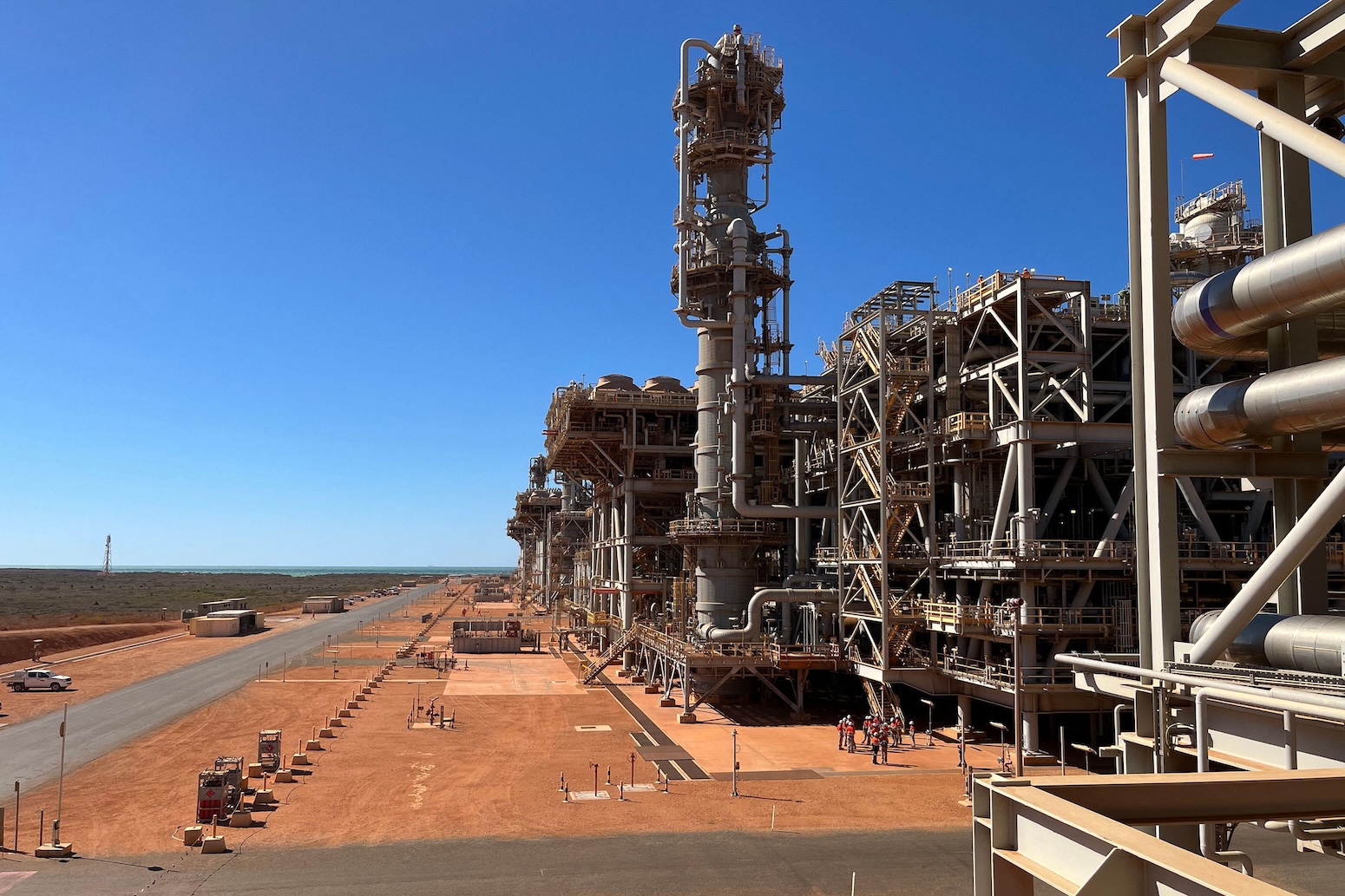
Carbon capture and storage involves extracting carbon dioxide from industrial facilities such as power plants and cement factories, compressing it, and permanently storing it underground in geological formations like depleted oil fields or saline aquifers. The captured CO2 can alternatively be used in various applications, a variation termed CCUS, though such uses do not always guarantee permanent emissions reductions. The technology was originally developed in the early 1970s at oil wells in the United States and Canada for enhanced oil recovery, a process that stores carbon while facilitating additional oil extraction.
As of February 2026, approximately 75 carbon capture projects operate globally, collectively capturing around 62.5 million tonnes of CO2 annually—roughly equivalent to Ecuador’s yearly greenhouse gas emissions. However, this represents a minimal fraction of total fossil-fuel-related emissions worldwide. The majority of captured carbon continues to be used for enhanced oil recovery or originates as a byproduct of fossil-fuel processing, meaning most current applications support the oil and gas industry rather than creating permanent emissions reductions.
Governments and international bodies including the Intergovernmental Panel on Climate Change have designated CCS as essential for decarbonizing certain high-emission sectors and achieving net-zero targets. The United Kingdom, for example, has committed to investing up to £21.7bn in developing its carbon capture industry as part of its climate strategy. However, deployment has progressed slower than anticipated since the technology gained prominence in the early 2000s. Interest peaked in the 2000s around coal power plants with CCS, but this largely diminished as renewable energy costs declined significantly, leaving only seven operational CCS-coal facilities worldwide today.
Critics argue the technology faces substantial obstacles, citing high costs, historical underperformance, and insufficient proof of viability at the scale necessary to meaningfully impact global emissions. Some characterize CCS as a distraction from alternative climate solutions or point to its continued entanglement with fossil-fuel interests. The pattern of scaled-back projections and wavering policy support has reinforced skepticism about CCS’s role in meeting climate goals.
Article Attribution | Read More at Article Source
Article summary produced by Claude AI