

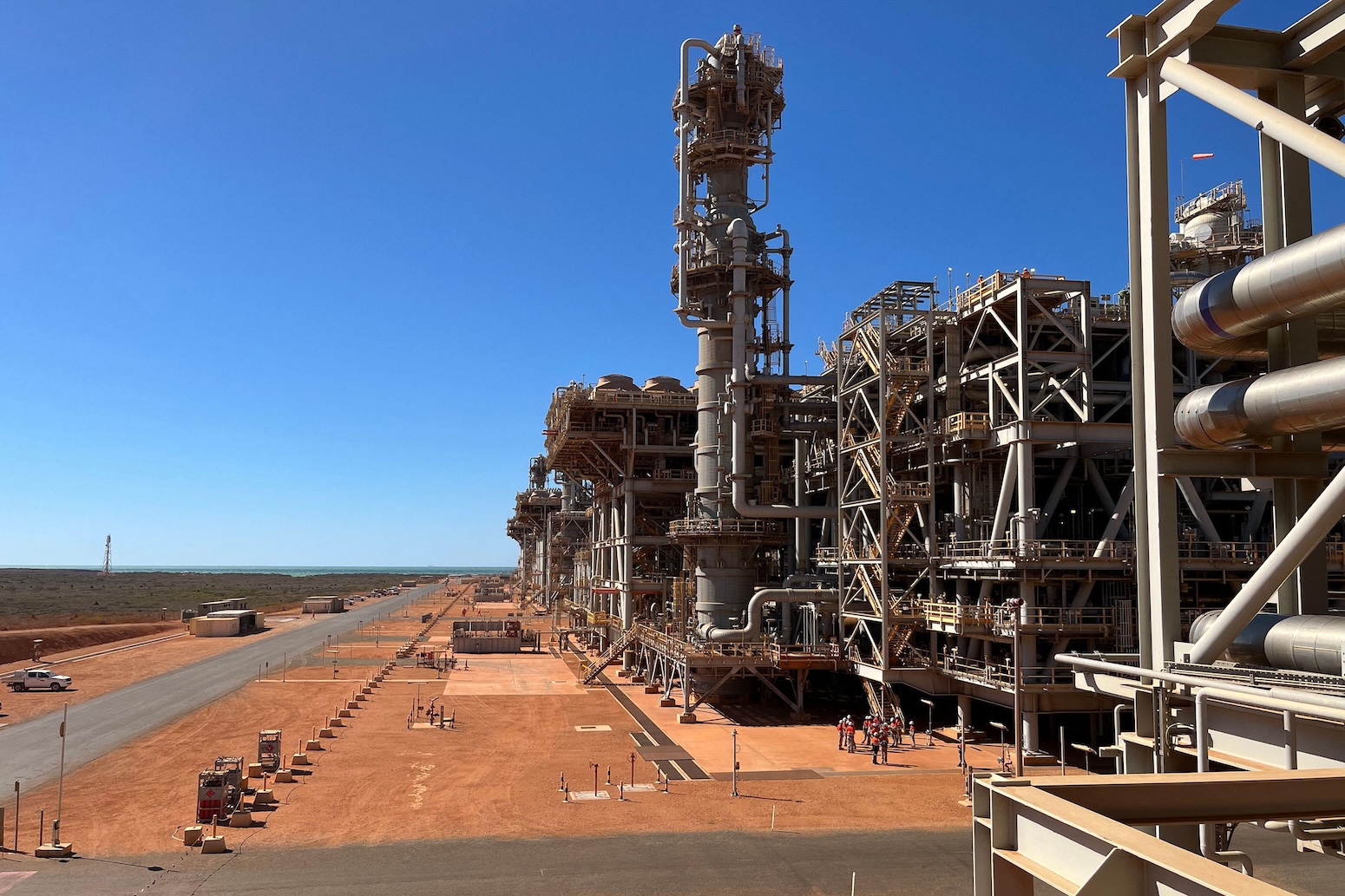
Carbon capture and storage (CCS) technology has emerged as a central component in global climate mitigation strategies, with influential organizations including the Intergovernmental Panel on Climate Change describing it as essential for reaching net-zero emissions. The process involves capturing carbon dioxide from major emission sources such as power plants and industrial facilities, compressing it into liquid form, and injecting it into underground geological formations for permanent storage. As of February 2026, 75 operational CCS projects worldwide capture approximately 62.5 million tonnes of CO2 annually, though this represents a small fraction of total fossil-fuel emissions.
CCS technology originated in the early 1970s at oil wells in the United States and Canada as a method for enhanced oil recovery, and this remains the dominant use for captured carbon today. Interest in CCS as a climate solution gained momentum following the Paris Agreement in 2015, with many net-zero pathways now incorporating substantial CCS deployment. The International Energy Agency has stated that net-zero would be “virtually impossible” without CCS, particularly for hard-to-abate industrial sectors including cement, steel, and chemicals production where alternative decarbonization options remain limited and expensive. Current global CCS pipelines include 93.7 million tonnes of capacity under construction and 1,279.6 million tonnes in planning stages as of February 2026.
Despite its theoretical importance, CCS faces significant criticism on multiple fronts. The technology remains expensive relative to increasingly cost-competitive renewable energy alternatives, and independent analyses have found no evidence of meaningful cost reductions through technological development. A 2023 University of Oxford study concluded that a low-CCS pathway to net-zero would cost approximately $1 trillion less annually than a high-CCS approach. Additionally, performance assessments reveal that existing CCS projects typically fall far short of target capture rates, with most operating at approximately 50 percent capture efficiency rather than the recommended 90 to 95 percent, meaning substantial emissions continue to escape.
Critics also highlight concerns regarding upstream emissions, particularly methane leakage from gas extraction and transportation, which could substantially undermine climate benefits in scenarios relying heavily on gas-based CCS or blue hydrogen production. The technology’s association with the fossil-fuel industry, which has historically lobbied against climate action, further complicates its role in decarbonization strategies. Some researchers question whether CCS can realistically scale to the levels required by climate models, noting that deployment has consistently lagged expectations.
The United Kingdom has committed up to £21.7 billion in support for its CCS sector, with projects scheduled for deployment in the late-2020s and early 2030s, though this commitment has attracted criticism for potentially locking the nation into gas dependency and for failing to prioritize investment in sectors where CCS is most needed. The UK Climate Change Committee maintains that net-zero is unachievable without CCS, yet has nevertheless downgraded its CCS capacity expectations in recent years as alternative decarbonization pathways have emerged. This reflects broader shifts in climate policy as renewable costs continue declining and the relative necessity of CCS in certain applications becomes less clear.
Article Attribution | Read More at Article Source
Article summary produced by Claude AI