

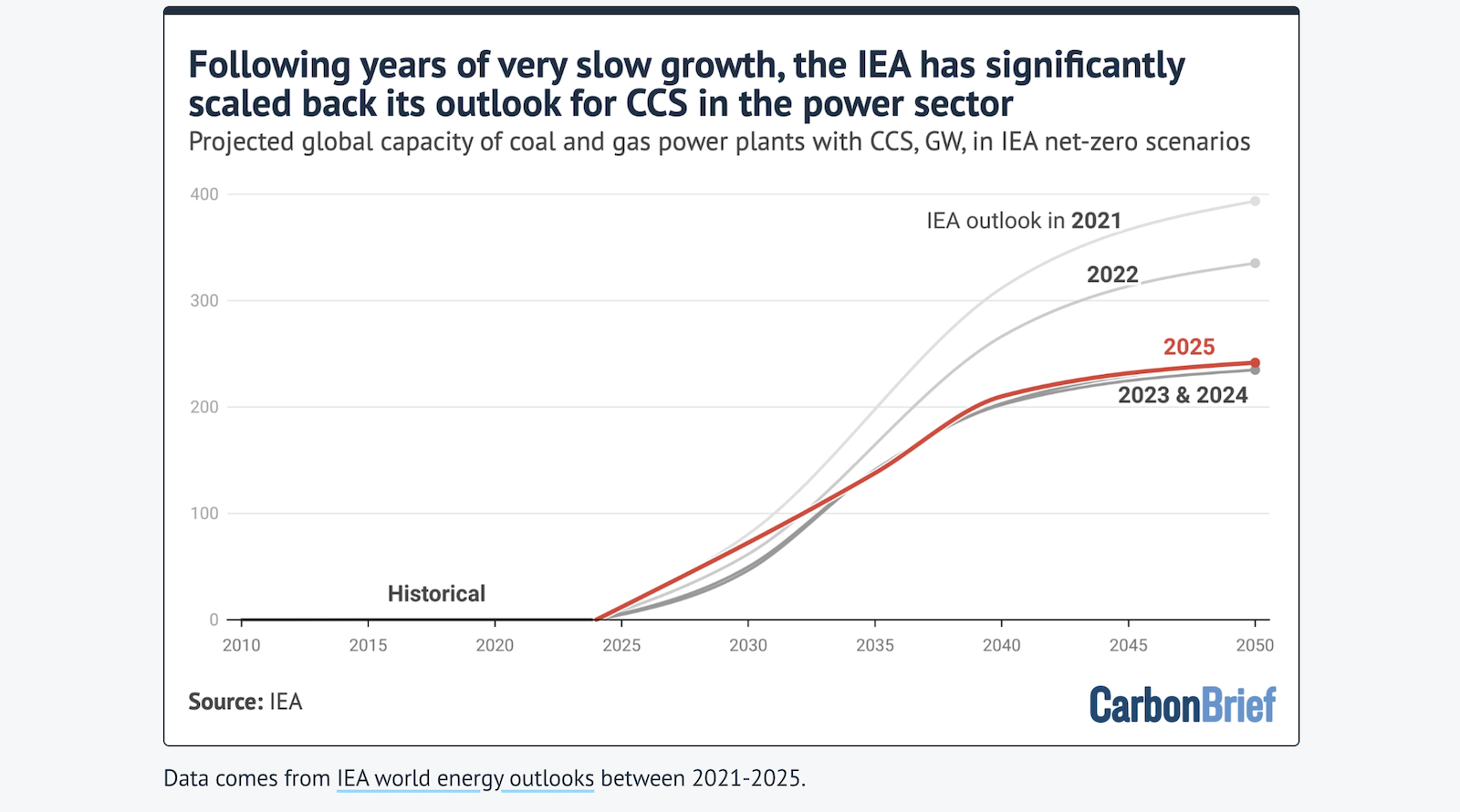
Carbon capture and storage (CCS) involves extracting CO2 emissions from industrial sources such as power plants and cement factories, compressing the gas, and permanently storing it underground in depleted oil fields or saline aquifers. The technology is designed to allow continued use of fossil fuels while preventing greenhouse gas emissions from reaching the atmosphere.
The Intergovernmental Panel on Climate Change and other influential organizations describe CCS as a critical tool for achieving net-zero emissions, particularly for hard-to-abate sectors like heavy industry where low-cost decarbonization alternatives remain limited. As of February 2026, 75 CCS projects operate globally, capturing approximately 62.5 million tonnes of CO2 annually. However, this represents a fraction of global fossil-fuel emissions. The pipeline of planned and under-construction projects could significantly expand capacity, with nearly 1,280 megatonnes of CO2 capture capacity in planning stages.
Despite this projected growth, CCS remains contentious. Critics contend the technology is expensive compared to increasingly affordable renewable energy, operates below target capture rates in practice, and serves as a potential distraction from cleaner energy alternatives. An analysis of existing projects found most capture significantly less CO2 than the widely-accepted 90% target, with some operating around 50% efficiency. Additionally, concerns exist regarding upstream emissions from gas extraction and the potential for leakage during storage and transportation.
The UK government has committed up to £21.7 billion over 25 years to develop CCS clusters, positioning the nation as an early adopter. However, this commitment has drawn scrutiny for potentially locking the country into continued fossil-fuel dependence and for not prioritizing deployment in sectors where CCS may be most essential. Government advisors acknowledge that net-zero pathways relying heavily on CCS would cost substantially more than alternatives with lower CCS deployment, though they maintain the technology remains essential for sectors lacking viable decarbonization options.
Article Attribution | Read More at Article Source
Article summary produced by Claude AI