

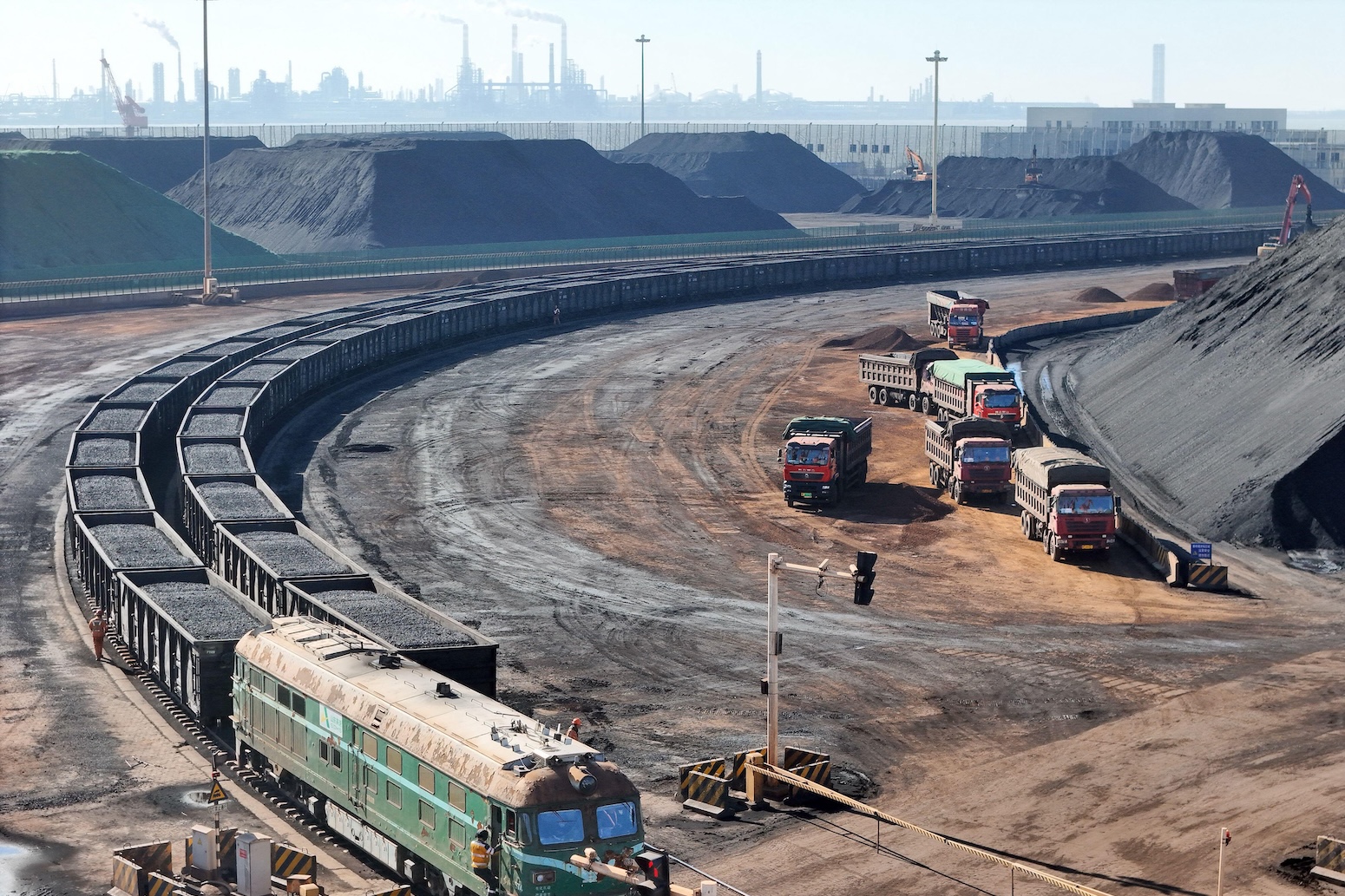
China’s National Development and Reform Commission and National Energy Administration released the 15th five-year plan for coal development on 10 August, establishing policy direction for the sector through 2030. The plan coincides with a critical period leading to China’s commitment to peak carbon dioxide emissions before 2030. While earlier discussions had pointed to coal consumption potentially peaking around 2027, the new plan includes only a general pledge to achieve a peak during the five-year period rather than establishing a specific government-endorsed target date.
The plan frames coal as foundational to China’s economy and energy security, particularly in light of geopolitical disruptions affecting global energy markets. It emphasizes coal’s role as a stabilizing force in China’s power supply while acknowledging the need for the industry to transition toward cleaner practices and explore diversification into renewable energy and chemical sectors. The document reflects broader policy goals centered on what officials describe as the “green and low-carbon transition” of coal production, including management of methane emissions and promotion of efficient fuel utilization.
Analysts note the plan represents continuity in China’s approach to balancing energy security with emissions reduction rather than signaling a phase-out or accelerated phase-down of coal. Coal currently accounts for approximately 80 percent of China’s carbon emissions, though its share in the energy mix has declined as renewable sources expand. In the first half of 2026, coal represented less than 50 percent of power generation and 51.4 percent of total energy consumption.
Experts emphasize that the absence of a specific peak-year target provides flexibility for China’s transition timeline. While coal consumption peaking around 2027 remains possible based on some projections, researchers highlight that actual timing will depend on electricity demand growth, renewable generation capacity, industrial activity, and broader economic conditions. Officials have indicated that regulatory measures will focus on ensuring any peak occurs before the 2030 deadline aligned with China’s carbon-neutrality goals.
Article Attribution | Read More at Article Source
Article summary produced by Claude AI