

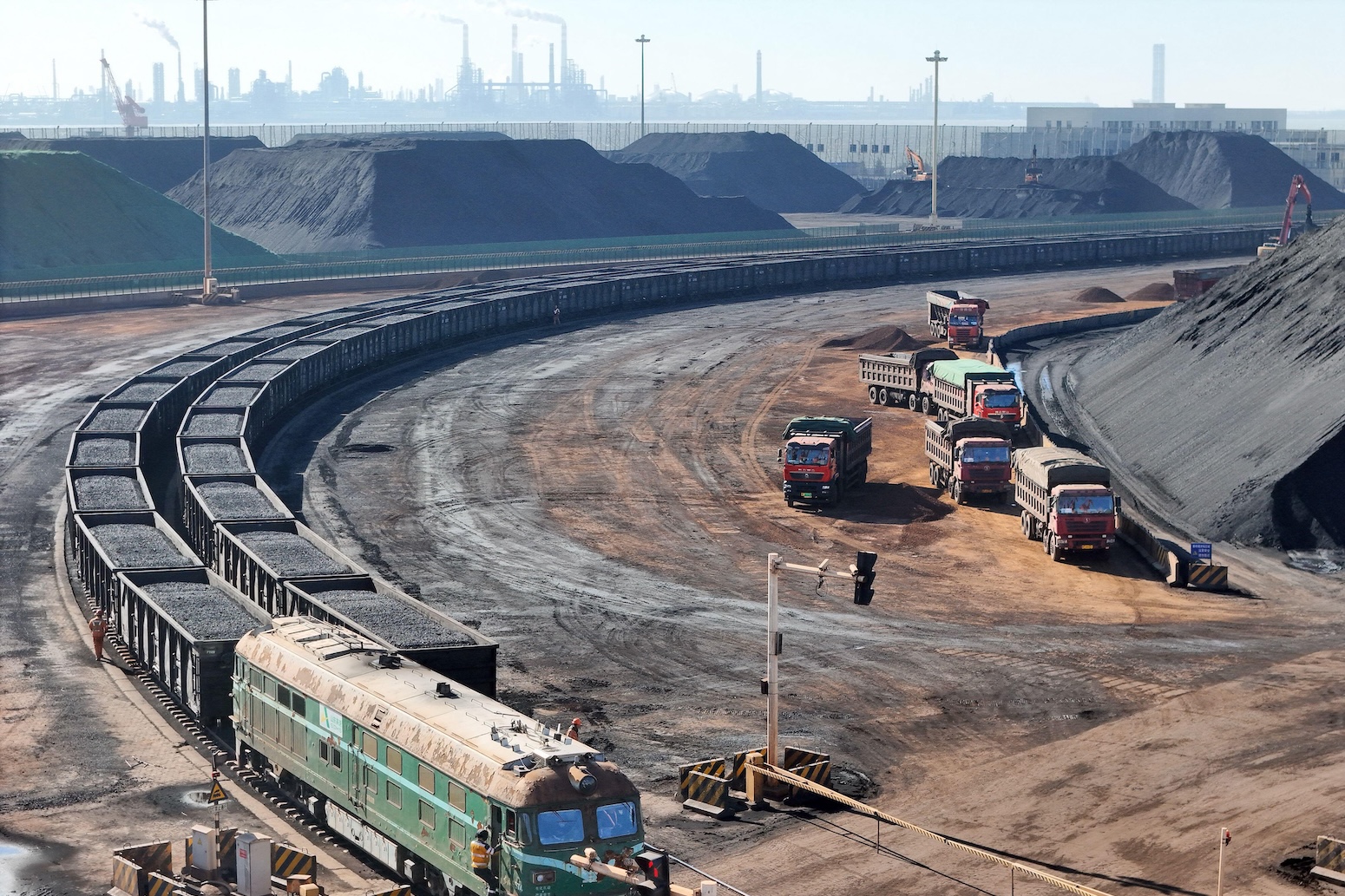
China’s National Development and Reform Commission and National Energy Administration released the 15th five-year plan for the coal industry on 10 August, establishing policy guidance for the sector through 2030. This period is significant as it encompasses the years leading to China’s commitment to peak carbon dioxide emissions before 2030. While government-affiliated organizations previously suggested coal consumption could peak around 2027, the new plan refrains from designating a specific government-endorsed year, instead establishing a broader objective to achieve peak consumption sometime within the five-year window.
The plan reinforces coal’s importance to China’s energy infrastructure, framing it as a foundational resource critical to national economic stability, public welfare, and energy security. This emphasis reflects growing policy concerns about energy security, particularly influenced by regional instability in the Middle East. Officials have highlighted coal’s role as China’s primary safeguard for maintaining stable energy supplies during periods of market volatility. The document discusses measures for the sector’s green and low-carbon transition, including management of coal-related methane emissions and promotion of clean and efficient coal utilization.
Analysts characterize the plan as neither a phase-out nor phase-down strategy, noting instead that it provides China considerable flexibility in managing its energy transition timeline. The plan acknowledges coal’s diminishing role in the overall energy mix, as non-fossil energy sources supplied more than half of China’s power generation in 2025, with coal’s share of total energy consumption falling to 51.4% during the first half of 2026. Despite this shift, the plan emphasizes coal’s ongoing systemic importance for energy security and economic stability.
The five-year plan also encourages the coal industry to diversify into adjacent sectors, including renewable energy development and chemical production, preparing for the eventual decline in coal demand. However, the absence of a binding deadline for peaking coal consumption introduces uncertainty about the exact timing of transition, with experts noting that market conditions, renewable energy deployment rates, industrial demand patterns, and technological progress will likely determine the actual peak year. Beijing’s regulatory approach appears focused on ensuring that any peak in coal consumption occurs before 2030 in accordance with its broader climate commitments.
Article Attribution | Read More at Article Source
Article summary produced by Claude AI