

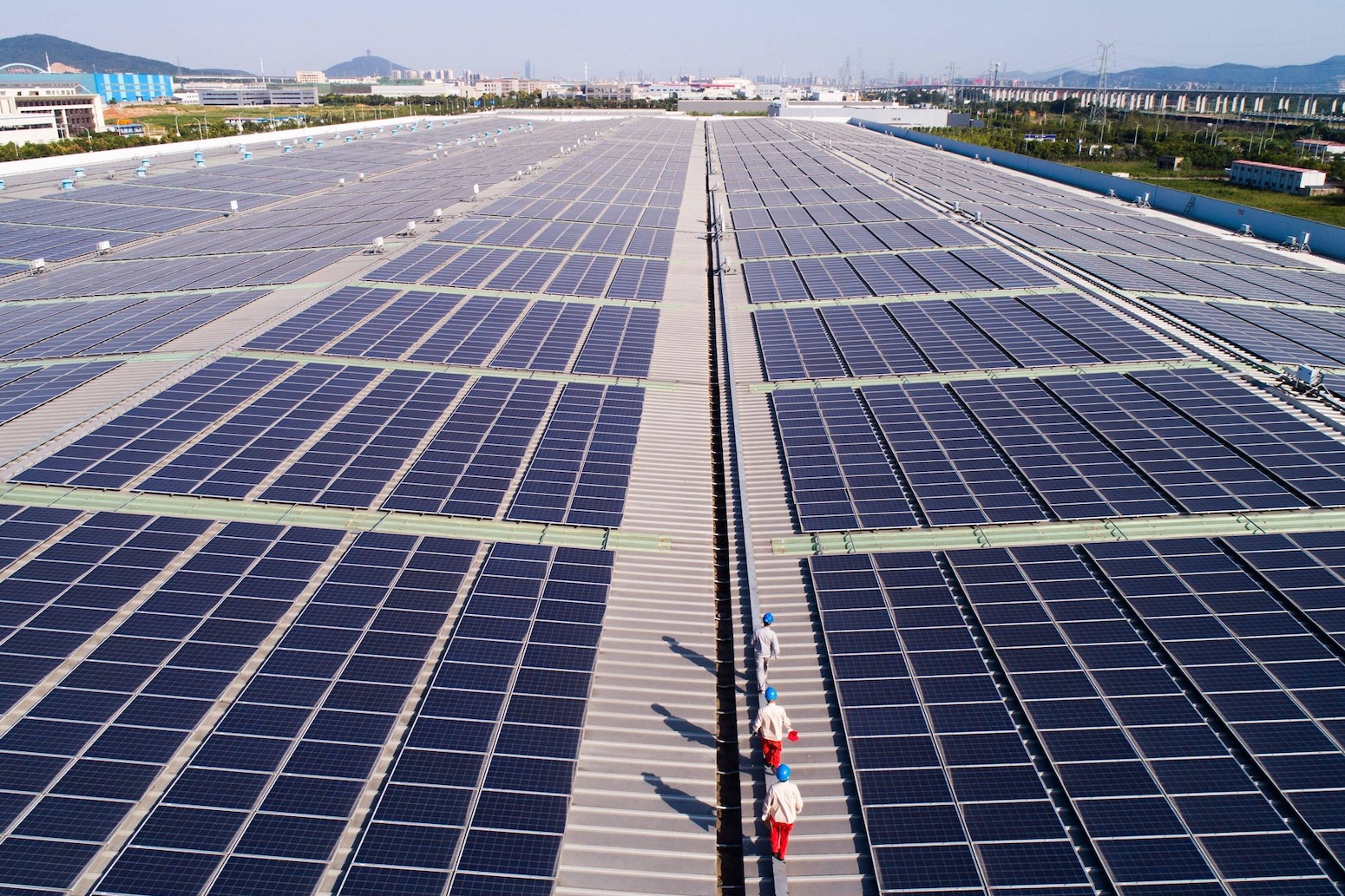
China has unveiled its renewable energy strategy for 2026-2030, establishing comprehensive targets across multiple clean-energy sectors. The plan calls for installing 3,500 gigawatts of renewable capacity by the end of the decade, with wind and solar comprising 2,800GW of that total. This represents a significant expansion from the country’s previous 2030 target of 1,200GW for wind and solar, which was achieved six years ahead of schedule. As of June 2026, China had deployed nearly 2,000GW of wind and solar capacity alongside 454GW of hydropower.
A major strategic shift in the plan emphasizes the reliability and grid-compatibility of renewable energy sources. Rather than focusing solely on capacity expansion, the government now prioritizes what officials describe as “dependable output” from wind and solar installations. The plan establishes specific targets for firm capacity, aiming for wind installations to provide at least 11 percent of their total installed capacity during critical supply periods by 2030, with solar achieving 6 percent. This approach addresses longstanding concerns about grid stability and the integration of variable renewable sources into China’s electricity system.
The plan significantly expands China’s focus on non-electricity applications of renewable energy, targeting growth from 60 million tonnes of coal equivalent in 2025 to 150 million tonnes by 2030. Key applications include green hydrogen production, scaling up to 2 million tonnes annually, along with renewable-powered heating and cooling in industrial sectors such as steel, chemicals, and cement manufacturing. The government also aims to add over 300GW of distributed energy installations, including rooftop solar and smaller-scale wind projects, primarily through 2030.
Technological innovation receives substantial emphasis in the plan, with priorities including advanced solar cell development such as perovskite technology, high-altitude wind power systems, and enhanced grid management capabilities. The strategy further commits to strengthening international cooperation on clean-energy projects and promoting Chinese green-technology exports globally. Officials characterize this transition as moving China from a “major energy nation” to an “energy powerhouse,” positioning the country to lead in developing systemic advantages across clean-energy technology sectors during the 2026-2030 period.
Article Attribution | Read More at Article Source
Article summary produced by Claude AI