

China’s Ministry of Ecology and Environment, working alongside 18 other government departments, unveiled the 15th five-year plan dedicated to climate change response in late July. The plan covers the 2026-2030 period and serves as the primary policy instrument for advancing China’s climate action during this timeframe. It represents the first comprehensive target system at the five-year plan level covering all areas of climate policy, according to officials from the MEE.
The document does not introduce major new targets but instead consolidates and reinforces existing policies and commitments. China has previously pledged to peak its emissions before 2030 and achieve carbon neutrality before 2060. The 2030 pledge aims to reduce carbon intensity by more than 65% from 2005 levels. Additionally, President Xi Jinping announced in a separate pledge that China aims to cut greenhouse gas emissions to 7-10% below peak levels by 2035.
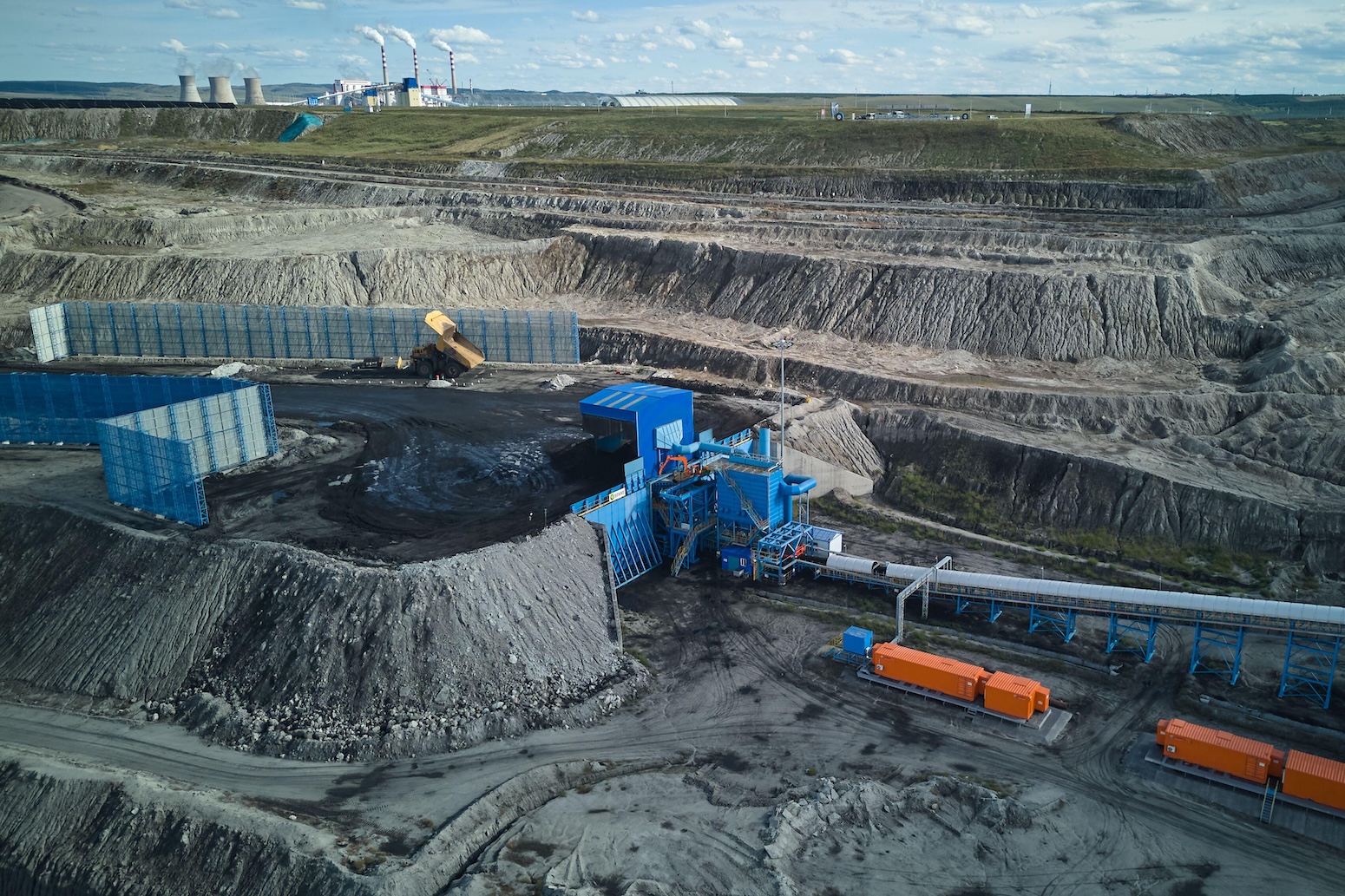
A significant focus of the plan addresses non-CO2 greenhouse gases, setting a target of 30 million tonnes of CO2 equivalent in emissions reduction capacity by 2030. This target encompasses coal-mine methane utilization, industrial nitrous oxide reduction, hydrofluorocarbon management, and sulphur hexafluoride recovery in power equipment. According to analysis, methane from coal mines and ventilation air represents a substantial portion of potential emissions reductions available through existing projects.
The plan also emphasizes strengthening China’s role in international climate governance. By 2030, China aims to markedly increase its influence, guidance, and moral authority in global climate discussions. A related objective involves expanding the international reach of China’s carbon market through international cooperation on standards and rule-setting. Analysts note the plan signals a rhetorical shift toward China positioning itself as a leader in shaping global climate action rather than simply responding to international frameworks.
Article Attribution | Read More at Article Source
Article summary produced by Claude AI