

The United Kingdom is investing in long-duration energy storage (LDES) technologies designed to bridge extended periods when renewable energy sources are unavailable. These storage systems are expected to reduce electricity system costs by over £24 billion between 2030 and 2050.
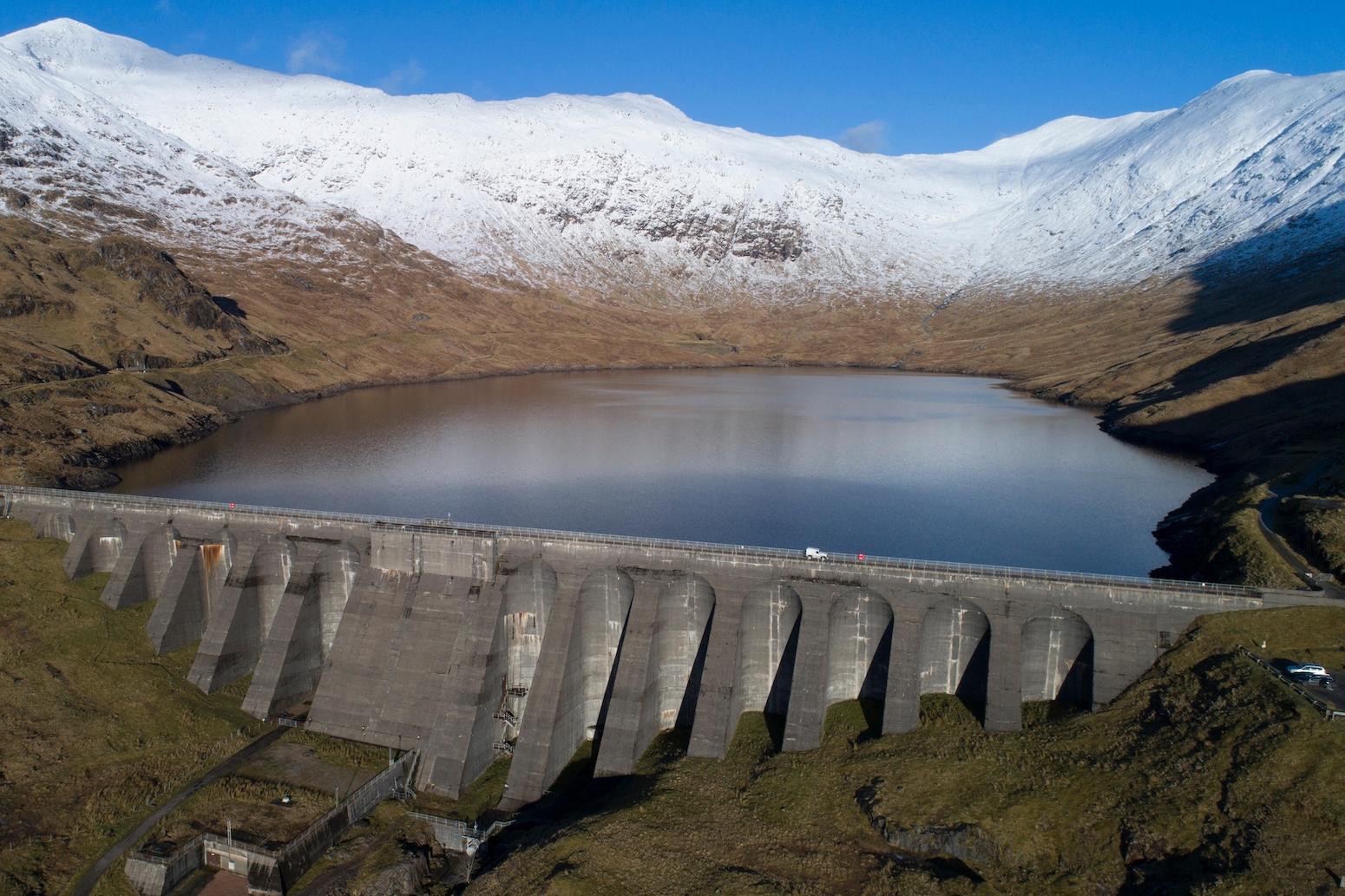
The energy regulator Ofgem has identified 16 LDES projects for support under a new cap-and-floor scheme. Definitions of LDES vary slightly across UK government bodies, with the government defining it as storage lasting from four hours to multiple years, while Ofgem uses an eight-hour minimum threshold. The technologies involved include pumped hydro, lithium-ion batteries, flow batteries, and compressed-air storage. The UK currently operates 2.8 gigawatts of LDES capacity, primarily through four pumped-hydro sites in Scotland and Wales, with the Dinorwig power station in Wales being the largest at 1,728 megawatts.
As variable renewable energy increasingly dominates the UK’s electricity system, the need for LDES has grown significantly. Wind and solar generation creates substantial peaks and troughs in power supply that short-duration batteries cannot adequately manage. Recent developments include a vanadium flow battery facility that opened in Uckfield, East Sussex, capable of storing 21 megawatt-hours of electricity—enough to power approximately 3,000 homes for one day.
LDES technologies operate across four main categories: mechanical (such as pumped hydro), thermal, chemical (including hydrogen storage), and electrochemical (traditional batteries). Each technology plays specific roles in the electricity system, from managing immediate demand surges to smoothing renewable generation over weeks or months. The diversity of approved technologies reflects the varied demands LDES must address as the UK transitions toward net-zero emissions.
Article Attribution | Read More at Article Source
Article summary produced by Claude AI