

The United Kingdom is advancing long-duration energy storage (LDES) as a critical infrastructure component to support its transition toward net-zero emissions. LDES refers to technologies capable of storing energy for extended periods—typically ranging from four hours to multiple years—which can compensate for extended gaps in renewable energy generation, including multi-day or multi-week periods colloquially termed “dunkelflaute.” Unlike conventional battery systems that operate on hourly timescales, these solutions maintain supply stability during natural fluctuations in wind and solar power generation.
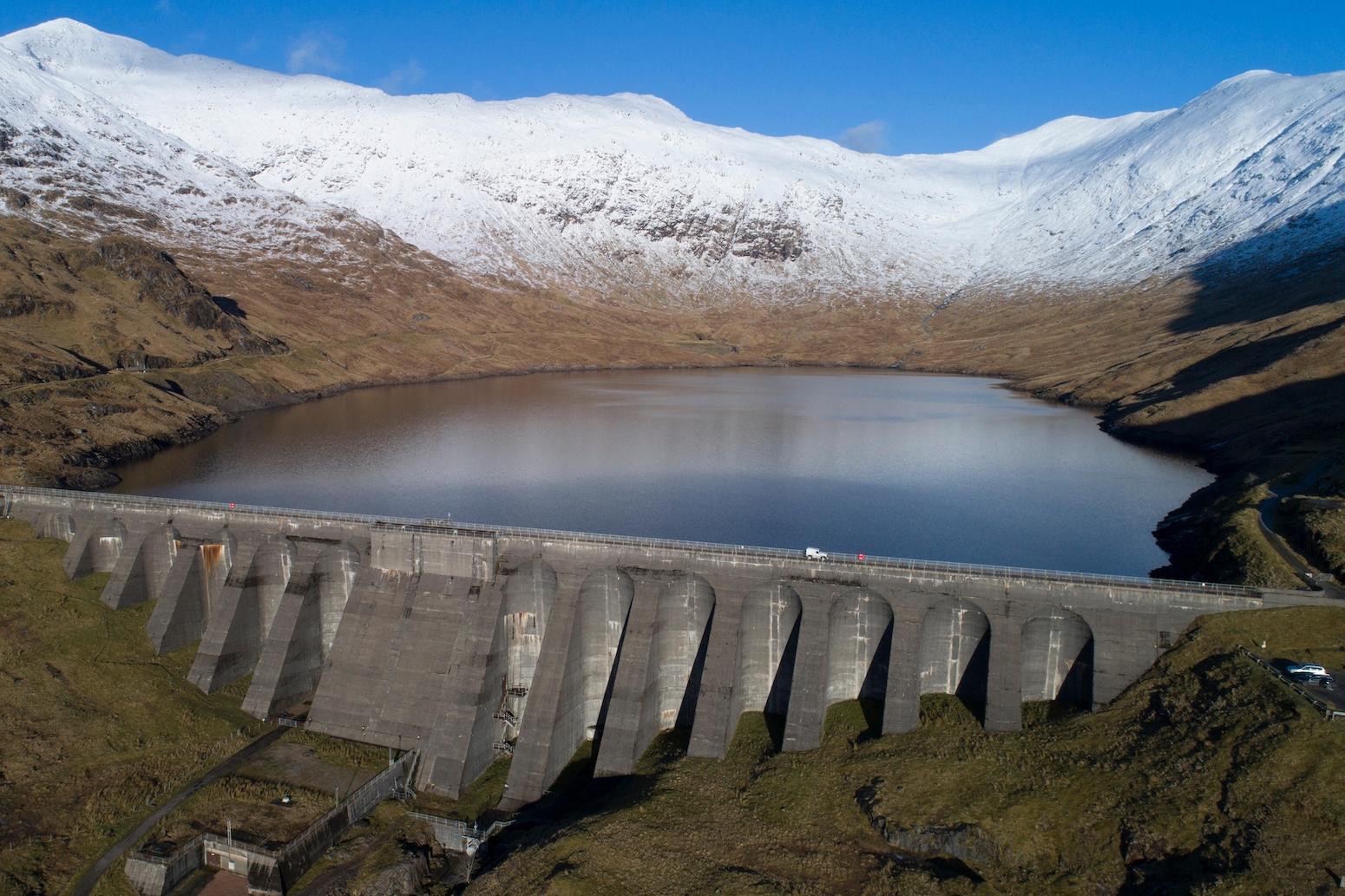
Ofgem, the nation’s energy regulator, has identified 16 LDES projects for potential support through a new cap-and-floor regulatory framework. The selected technologies employ diverse storage mechanisms, including pumped hydroelectric systems, large-scale lithium-ion batteries, flow batteries utilizing specialized chemistry, and compressed-air systems. Current LDES capacity in Great Britain stands at 2.8 gigawatts, predominantly supplied by four pumped-hydro facilities located in Scotland and Wales, with the Dinorwig facility in North Wales representing the largest single installation. Cost-benefit analyses suggest LDES deployment could reduce overall energy system expenses by more than £24 billion over the period between 2030 and 2050.
The expanding role of variable renewable sources in the UK’s energy mix has heightened demand for LDES capabilities. A notable recent development occurred in May 2026, when the nation’s largest vanadium flow battery installation became operational in Uckfield, East Sussex, paired with a three-megawatt solar facility. This installation comprises 90 individual flow batteries capable of storing 21 megawatt-hours of energy, sufficient to power approximately 3,000 homes for one day or provide seven hours of peak solar output.
LDES technologies operate across four fundamental categories: mechanical systems, thermal approaches, chemical processes, and electrochemical methods. Each category offers distinct advantages for managing electricity supply and demand across varying timeframes, from immediate demand surges to seasonal balancing. The diversity of technological approaches reflects the multiple operational requirements LDES must address within modernized electricity systems increasingly reliant on renewable generation sources.
Article Attribution | Read More at Article Source
Article summary produced by Claude AI