

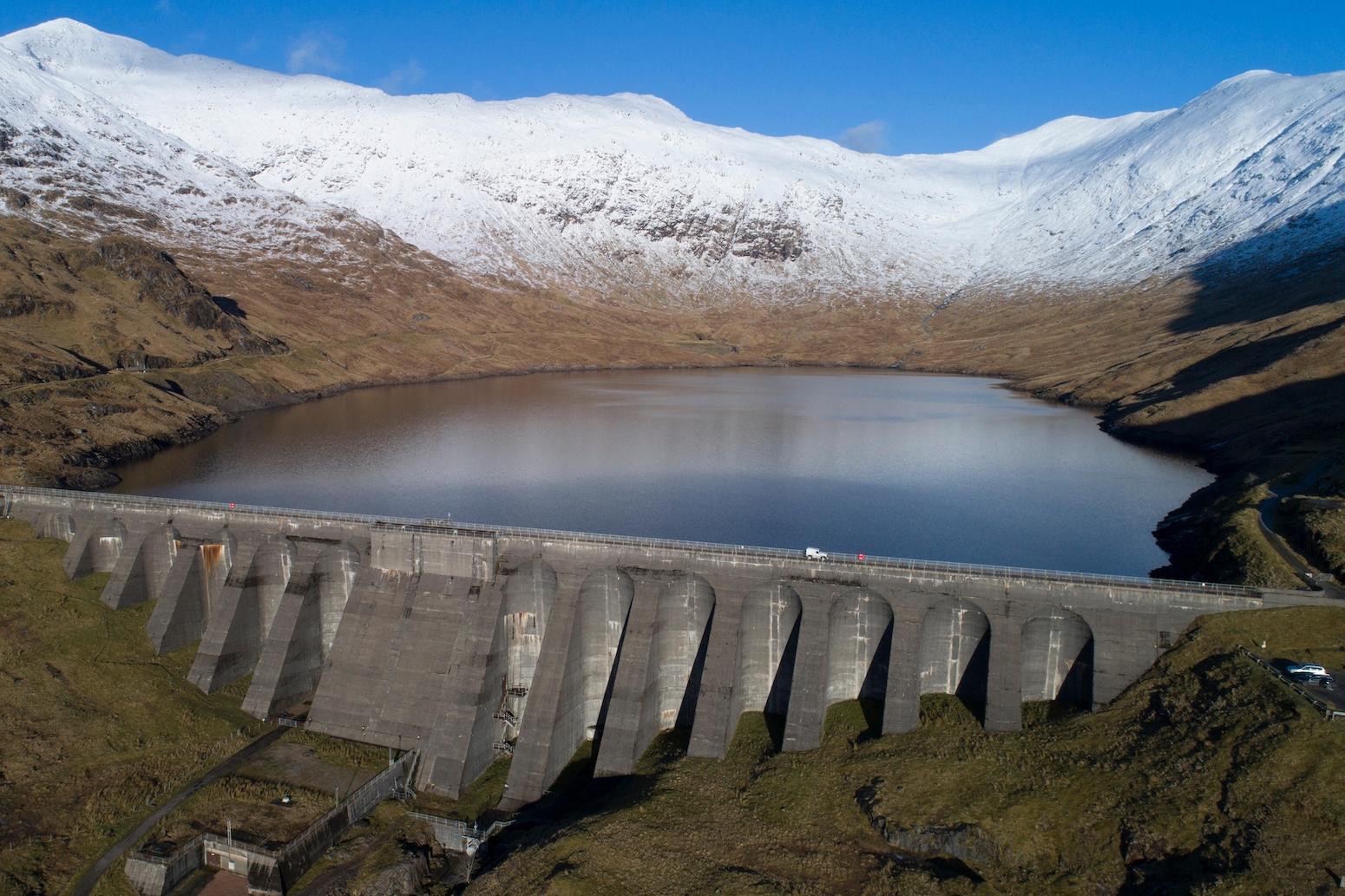
The United Kingdom is advancing long-duration energy storage (LDES) technologies designed to store renewable energy for extended periods ranging from hours to years, helping to manage fluctuations in wind and solar power generation. These storage systems are intended to address gaps in renewable output, particularly during extended periods of low wind and solar activity known as “dunkelflaute.” The nation’s energy regulator Ofgem has identified 16 LDES projects for potential support through a newly introduced cap-and-floor regulatory framework.
LDES encompasses a range of technologies for storing energy through mechanical, chemical, and electrical means. Available technologies include pumped hydro storage, large-scale lithium-ion batteries, flow batteries with novel chemistry formulations, and compressed-air storage systems. The United Kingdom currently operates 2.8 gigawatts of LDES capacity, primarily comprising four pumped-hydro facilities in Scotland and Wales, with the Dinorwig power station in North Wales being the largest at 1,728 megawatts. Estimates suggest that expanding LDES capacity could reduce UK energy system costs by more than £24 billion between 2030 and 2050.
Definitions of LDES vary slightly across regulatory bodies, with the UK government characterizing it as energy storage lasting from four hours to multiple years, while Ofgem applies an eight-hour minimum threshold. Recent developments include the opening of the UK’s largest vanadium flow battery installation in Uckfield, East Sussex, in May 2026, which can store 21 megawatt-hours of electricity alongside a 3-megawatt solar farm.
As the UK electricity grid becomes increasingly dependent on variable renewable energy sources, the demand for LDES infrastructure is expanding. Extended periods of insufficient wind and solar generation require storage systems capable of managing power supply and demand over weeks, months, or even seasons. The diversity of LDES technologies reflects multiple roles within the evolving electricity system, from managing short-term demand surges to enabling longer-term seasonal flexibility and optimizing the utilization of surplus renewable generation.
Article Attribution | Read More at Article Source
Article summary produced by Claude AI