

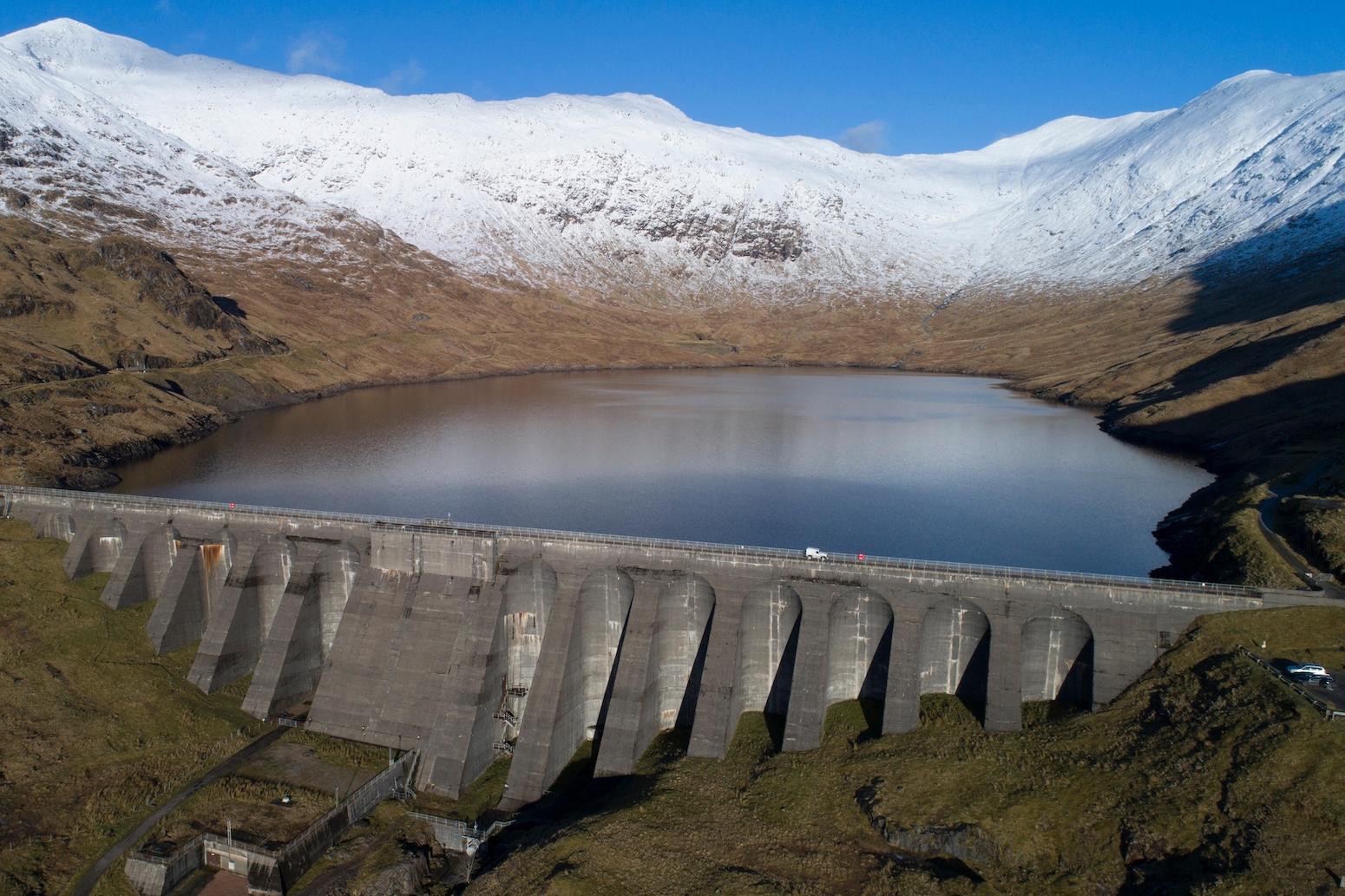
The United Kingdom is developing long-duration energy storage (LDES) infrastructure to address challenges created by its transition toward renewable energy sources. LDES technologies are designed to store electrical power for extended periods—ranging from four hours to multiple years, depending on the technology type—bridging gaps when wind and solar generation are insufficient. These extended storage periods, sometimes called “dunkelflaute” in reference to prolonged low renewable output, contrast sharply with conventional battery systems that typically function for only a few hours.
Ofgem, the nation’s energy regulator, has identified 16 LDES projects it intends to support through a new cap-and-floor funding mechanism. The selected technologies employ diverse approaches including pumped hydroelectric storage, lithium-ion batteries, flow batteries with specialized chemical formulations, and compressed-air systems. Current LDES capacity in Great Britain stands at 2.8 gigawatts, primarily composed of four pumped-hydro facilities located in Scotland and Wales. The Dinorwig power station in North Wales, operational since the 1980s, represents the largest existing installation at 1,728 megawatts.
According to projections, expanded LDES deployment could reduce UK energy system costs by more than £24 billion between 2030 and 2050. Recent developments include a vanadium flow battery facility that opened in May 2026 in Uckfield, East Sussex, capable of storing 21 megawatt-hours of electricity alongside an attached solar installation. This capacity represents approximately seven hours of peak output from the solar farm and sufficient power supply for roughly 3,000 residences for one day.
The growing emphasis on LDES reflects the increasing integration of variable renewable energy into Britain’s electricity grid. As wind and solar sources create greater fluctuations in power generation, longer-duration storage becomes essential for maintaining system stability and efficiently utilizing surplus generation. Different LDES technologies serve multiple functions within the grid, from managing short-term demand surges to providing flexibility across weeks, months, or seasonal cycles, supporting the nation’s net-zero energy objectives.
Article Attribution | Read More at Article Source
Article summary produced by Claude AI