

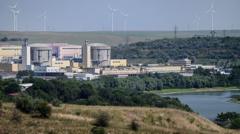
Romania has disconnected both reactors at its Cernavodă nuclear power station this week as exceptionally low water levels in the Danube River have compromised the facility’s cooling systems. The two 706-megawatt reactors typically generate approximately one-fifth of Romania’s electricity supply. Plant officials stated that the facility would likely remain offline for at least the next 10 days. The first reactor was shut down in July, with the second disconnected just before midday on Thursday. This marks only the second forced shutdown in the plant’s operational history, with the previous occurrence documented in 2003.
Water levels in the Danube have reached their lowest point in 30 years across several countries, creating challenges for power generation infrastructure throughout the region. Hungary has managed to keep its Paks nuclear facility operational so far, though officials warned earlier that the site could face shutdown if conditions deteriorate further. Romanian authorities attempted earlier in the week to improve water flow to the Cernavodă plant by positioning barges laden with rocks in the river. The power shortfall from the nuclear shutdown is being addressed through increased reliance on solar and wind generation during daylight hours, supplemented by coal and gas-powered facilities and imported electricity during evening hours.
The extreme low water levels stem from prolonged heat affecting much of Europe, which has experienced accelerated warming in recent weeks. Climate analysts report that Europe is warming approximately twice as fast as the global average, driving increased summer heatwaves and placing severe pressure on water resources. Multiple European nations are experiencing the cascading effects of extreme heat, including agricultural damage, wildfire outbreaks, and economic strain. France faces potential costs between €10 billion and €15 billion from recent heat-related impacts, while Italy’s agricultural sector estimates climate-related damage could exceed €3 billion. Economic analysts suggest the extreme conditions could substantially reduce projected EU economic growth from forecasted levels of 1.1%.
Article Attribution | Read More at Article Source
Article summary produced by Claude AI