

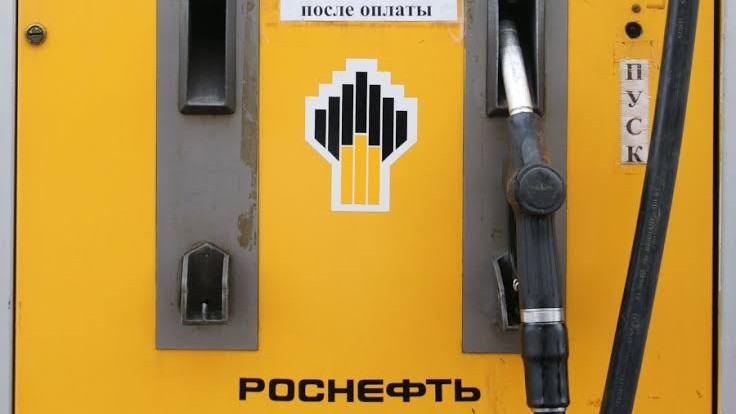
Russia is experiencing a renewed fuel crisis marked by rationing measures in Moscow and other regions. Major fuel distributors Gazprom Neft and Tatneft have confirmed they have imposed limits on petrol sales at filling stations, with long queues of vehicles reported across the capital and surrounding areas. Customer service representatives have warned drivers to prepare for extended wait times due to elevated demand.
The fuel shortage has been attributed to damage sustained from an ongoing campaign of long-range drone strikes originating from Ukraine. These attacks have primarily targeted Russia’s oil refineries and industrial infrastructure, with the campaign recently expanding to include online retail companies and private sector facilities. Earlier this week, one of the largest drone waves against Moscow took place, with reports indicating at least 600 drones were deployed against the capital region, causing widespread disruption and some casualties.
Russian energy companies have cited “unscheduled refinery maintenance” as the official reason for the fuel delivery delays—an oblique reference to infrastructure damage from the persistent drone campaign. This characterization underscores the extent of harm inflicted on Russia’s refining capacity. On Wednesday, Ukrainian drones struck an oil refinery and residential building in Bashkortostan, a region located north of Kazakhstan and far from the Ukrainian border, demonstrating the geographic reach of these operations. Regional officials indicated that preliminary damage assessments were underway and repairs were expected within days.
Russian officials began publicly acknowledging the resumed fuel shortage crisis late in the previous week. A Kremlin statement noted that oil companies were implementing measures to increase fuel deliveries to vulnerable regions. Officials have characterized the current situation as a “second wave” fuel shortage affecting the country.
Article Attribution | Read More at Article Source
Article summary produced by Claude AI