

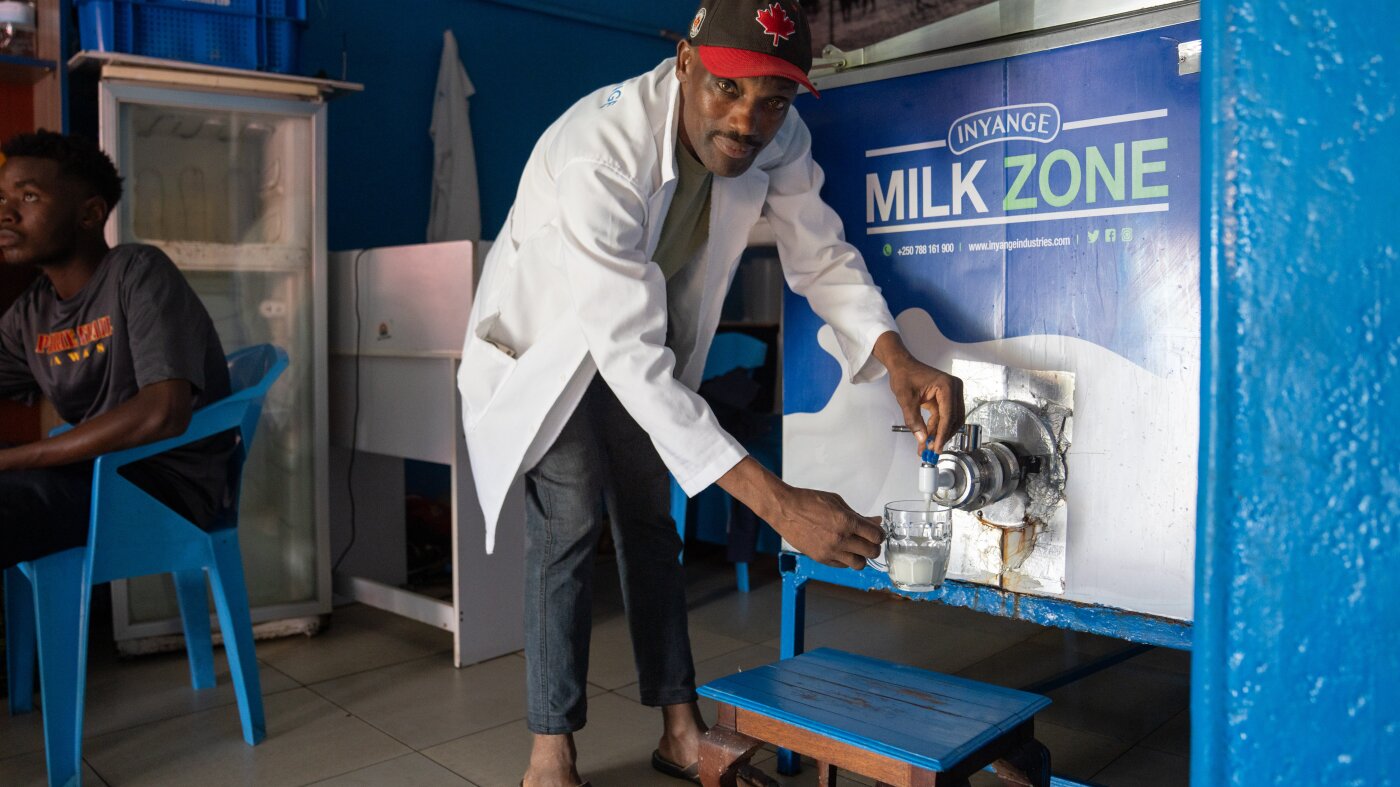
Milk bars have become a ubiquitous social institution in Kigali, Rwanda’s capital, emerging over the past decade as rural residents migrated to urban areas and sought alternatives to fresh dairy they could no longer easily access. These establishments serve cold whole milk in large glasses, with some offering variations such as heated milk with honey, fermented milk, or flavored options including chocolate, strawberry, and vanilla, though many customers prefer the simplicity of plain pasteurized milk.
The consumption of milk carries deep cultural significance in Rwandan society, stemming from the historical reverence for cattle as markers of wealth and providers of sustenance. Customers observe a custom of remaining seated while drinking milk as a sign of respect for cows, which are viewed as symbols of prosperity. Some patrons consume substantial quantities daily—one regular customer drinks approximately four 8-ounce glasses per day—and view milk as sacred and more nutritious than alternatives like tea, coffee, or water. This cultural attachment to milk is deeply rooted, with some families maintaining a tradition of consuming primarily milk across generations.
However, Rwanda’s health minister, Dr. Sabin Nsanzimana, has begun advocating for moderation in milk consumption. He attributes part of the rising incidence of chronic diseases requiring hospitalization to excessive milk intake, alongside factors such as alcohol consumption and lack of exercise linked to urban lifestyle changes. While acknowledging milk’s nutritional benefits including protein and calcium, Nsanzimana emphasizes that excessive consumption has been associated with obesity, cardiovascular disease, and adverse effects on overall mortality.
The health minister recommends limiting daily milk intake to approximately one cup, equivalent to eight ounces, and encourages substituting water for some milk consumption. However, he acknowledges that shifting this deeply ingrained cultural practice presents significant communication challenges, noting that even family members may resist messages about reducing milk intake, viewing such advice skeptically within the context of traditional values.
Article Attribution | Read More at Article Source
Article summary produced by Claude AI