

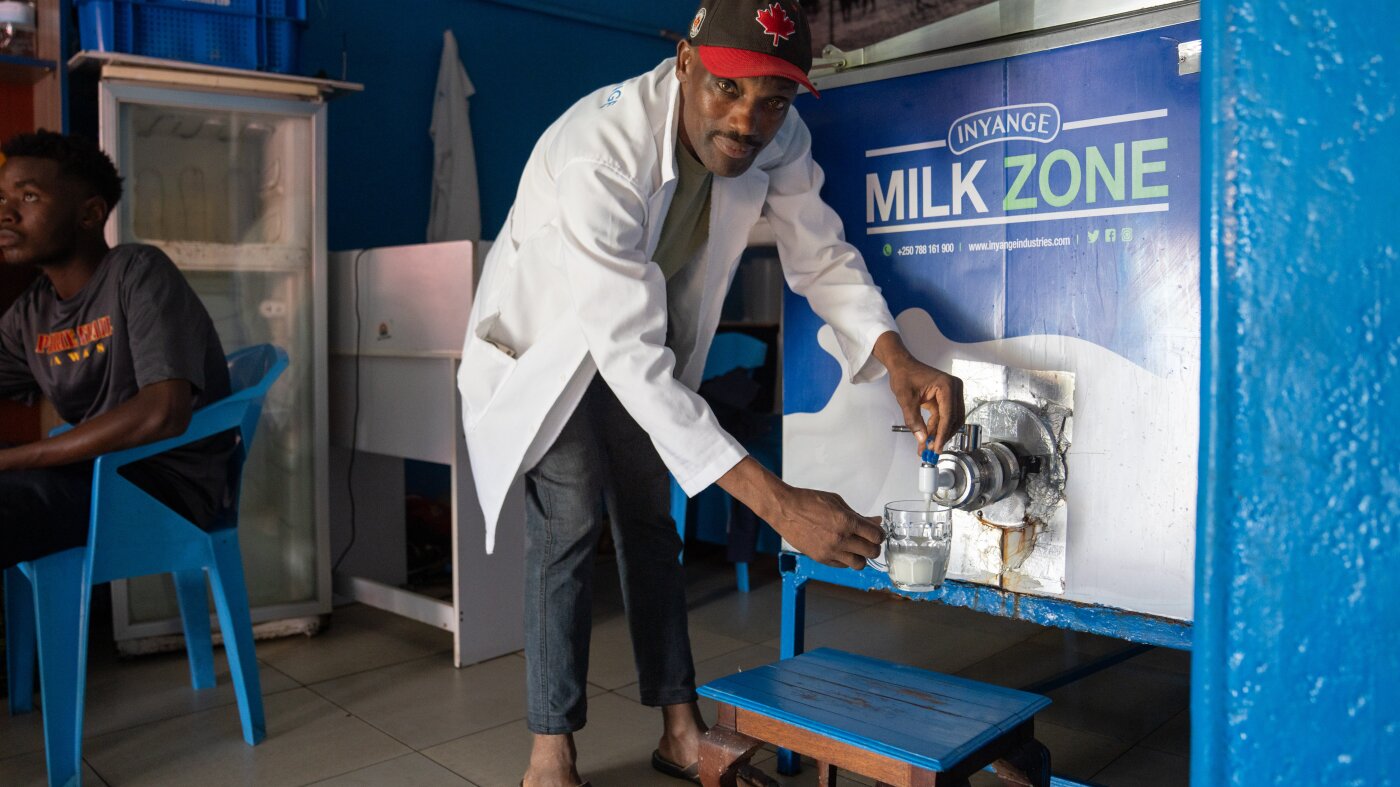
Milk bars have become a ubiquitous feature of daily life in Kigali, Rwanda’s capital, emerging over the past decade as rural residents relocated to the city and sought alternatives to their traditional access to fresh dairy. The establishments serve cold, pasteurized whole milk in various formats, with some offering flavored options such as honey, chocolate, or strawberry, while others maintain simple preparations. Customers demonstrate strong preferences for freshly served milk over packaged alternatives from retail stores.
The cultural attachment to milk consumption runs deep in Rwandan society. Cows hold significant symbolic value as traditional markers of wealth and prosperity, with the language containing expressions of goodwill that reference cattle ownership. Milk is regarded with reverence, and local custom dictates that the beverage be consumed only while seated as a sign of respect. Some patrons report consuming substantial quantities daily, with certain individuals drinking approximately four 8-ounce glasses per day. Many Rwandans view milk as nutritionally superior to water, tea, or coffee.
Rwanda’s health minister, Dr. Sabin Nsanzimana, has begun advocating for reduced milk consumption as part of broader public health efforts. He attributes rising rates of chronic diseases, obesity, and cardiovascular conditions partly to excessive milk intake combined with other urban lifestyle factors. While acknowledging milk’s nutritional benefits including protein and calcium, Nsanzimana recommends limiting consumption to approximately one cup daily and increasing water intake instead. He acknowledges the difficulty of promoting this message within a society where milk holds deep cultural significance, noting that family members sometimes react with skepticism to suggestions that high milk consumption may be counterproductive to health.
Article Attribution | Read More at Article Source
Article summary produced by Claude AI