

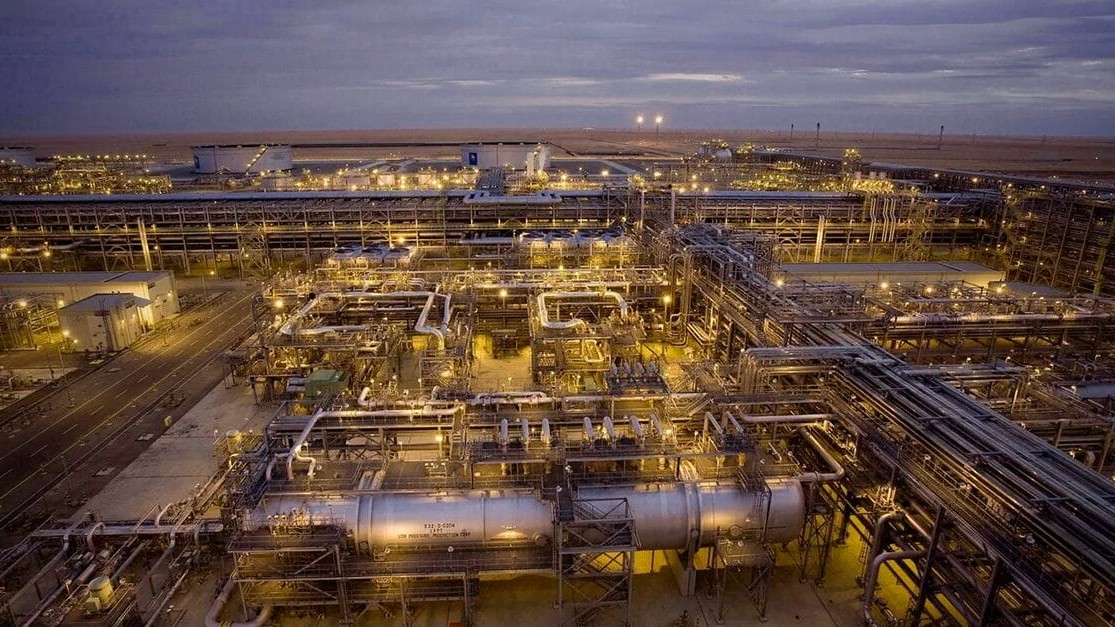
Oil markets experienced significant volatility this week, with Brent crude sustaining losses of approximately 8% before stabilizing near the $90 per barrel mark by week’s end. The stabilization reflects the ongoing impact of disruptions affecting two critical Middle Eastern shipping corridors, the Strait of Hormuz and the Red Sea, which continue to constrain global energy flows despite downward price pressures.
In response to threats to maritime security, Saudi Arabia has formalized the creation of an international coalition aimed at protecting shipping lanes in the Red Sea from Houthi attacks. The alliance comprises 14 nations total, with Riyadh serving as the founding member and headquarters location. This initiative comes as Iran has rejected a proposal from Oman regarding joint regional management of the Strait of Hormuz, and no new bilateral discussions between the United States and Tehran are currently scheduled.
Shipping disruptions extended beyond the Middle East this week. Egypt reported a drone strike that ignited fires aboard two vessels at its Damietta port, affecting the Energos Winter floating storage and regasification unit, one of three operational LNG import facilities in the country. Separately, the Caspian Pipeline Consortium suspended loadings at its Black Sea terminal following drone attacks, with crude suppliers considering an indefinite halt pending improved safety assurances. Additionally, critically low water levels on the Rhine River in Germany created severe constraints on inland fuel transportation, with rates reaching multi-year highs.
Major energy companies continued restructuring operations. BP formally initiated the sale of its North Sea assets, representing approximately 115,000 barrels per day of production, citing elevated taxation and deteriorating investment conditions in the region after more than six decades of operations. In Iraq, BP agreed to sell a 15% stake in its Kirkuk venture to Turkey’s state-owned petroleum company, facilitating a 12-month extension of the Kirkuk-Ceyhan pipeline transit agreement after the bilateral accord expired.
Global energy markets reflected broader structural shifts. South Korean refiners are evaluating Venezuelan crude imports as Middle Eastern supply uncertainties prompt portfolio diversification, while China’s renewable energy generation surpassed 40% of the national power mix during the first half of the year, reducing coal’s contribution to below 50% for the first time.
Article Attribution | Read More at Article Source
Article summary produced by Claude AI