

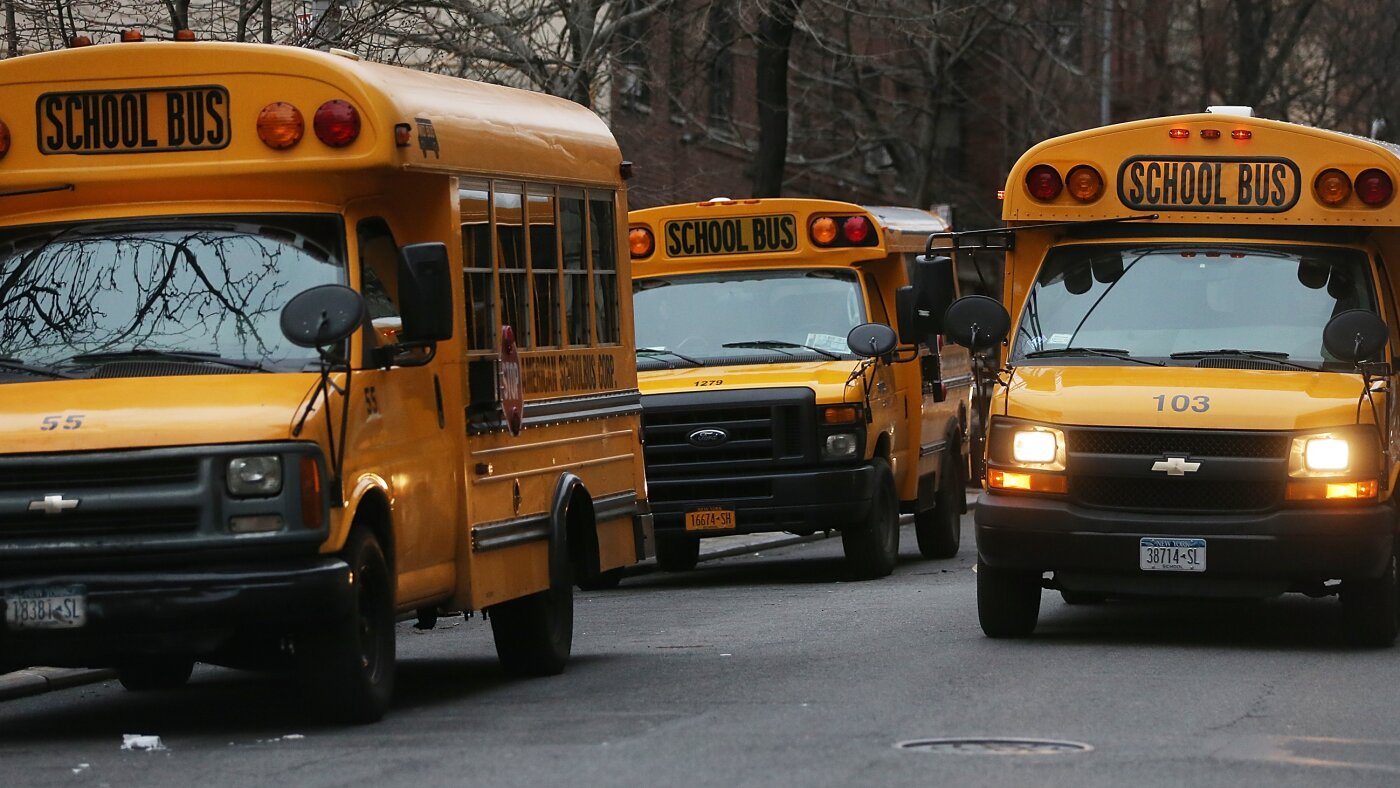
As the new school year begins, American school districts are confronting substantial financial pressures stemming from elevated diesel fuel costs. The national average price for a gallon of diesel reached $5.62 as of Wednesday, representing a substantial increase from $3.70 at the same time the previous year. This price surge carries particular weight for school systems, given that approximately 90% of the nation’s 480,000 school buses operate on diesel fuel.
The cost increases have prompted school districts to explore various cost-reduction strategies. A May survey by organizations representing school superintendents and bus operators found that more than half of surveyed districts reported diesel expenses had already exceeded their budgets. In Yakima, Washington, the school district’s assistant superintendent of finance and operations estimated that diesel costs could increase expenses by 38%, or $130,000, for the 2026-2027 school year. To offset these expenses, Yakima consolidated bus routes, staggered start times, reduced overall trips, and increased students per bus, efforts expected to generate savings between $400,000 and $500,000.
Other districts have implemented similar approaches to manage fuel expenses. A May survey indicated that 40% of school districts were consolidating routes, while approximately 20% were limiting non-essential trips such as field trips. Some districts are exploring alternative fuel vehicles, including electric buses. The Boise school district added eight electric buses this week through a federal Clean School Bus Program award. However, these adjustments present challenges, including longer routes and extended hours for drivers.
Districts face additional complications based on their geographic and economic circumstances. In Monterey, California, where most school buses use gasoline rather than diesel, local fuel prices exceed the national average, with gas averaging $5.77 per gallon compared to the national average of around $4.10. The district’s transportation director indicated that budget projections proved insufficient and required revision.
As districts navigate these financial pressures, many are drawing on reserve funds as temporary solutions. However, experts warn that this approach may compromise districts’ capacity to address future financial emergencies. School administrators indicate their priority remains maintaining transportation services while attempting to shield classroom-level operations from budget cuts.
Article Attribution | Read More at Article Source
Article summary produced by Claude AI