

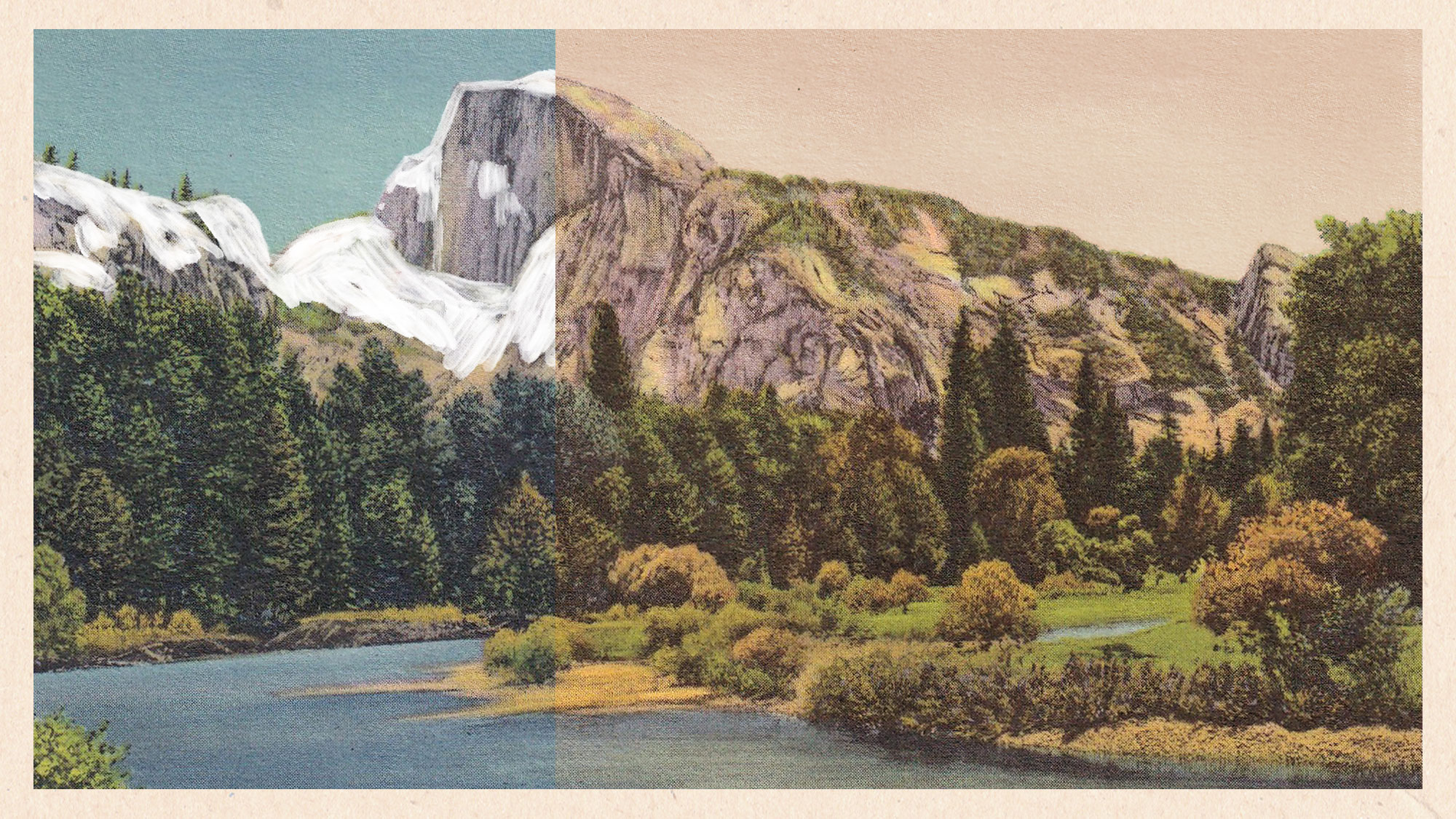
Researchers have formally defined a previously unnamed but increasingly common weather phenomenon in the Western U.S. termed “snow eater” heat waves. These events occur when temperatures remain above freezing continuously for multiple days, typically three to five consecutive days, causing snowpack to melt at roughly double the normal rate. The study, published in Science Advances, represents the first systematic attempt to establish specific criteria for identifying these events.
Historical analysis revealed that snow eaters have become more frequent and geographically widespread in recent decades. Since the 1850s, the area affected by such heat waves has expanded by approximately 40,000 square miles per century, and the seasonal onset of the first snow eater has shifted earlier by about one month per century. The term itself has roots in Western vernacular dating to at least the 1880s, when residents referred to warm chinook winds as “snow-eating” phenomena.
Scientists attribute the accelerated melting to the combined effects of sustained warmth and solar radiation. When snow crystals warm, they undergo structural changes that reduce their reflectivity, causing snowpacks to absorb more sunlight and melt more rapidly—a compounding effect researchers compared to a snowball effect. The Western U.S. experienced record-low snowpack this spring, with above-average air temperatures identified as a common factor across the region despite varied precipitation patterns.
The consequences of these heat waves extend beyond water management concerns. Accelerated snowmelt has contributed to severe drought conditions that fuel intensified wildfires, with researchers noting direct connections between reduced winter snowpack and increased wildfire frequency and severity. Early and rapid snowmelt also creates management challenges, as water that would otherwise be stored seasonally as snow becomes available prematurely, complicating reservoir and water resource planning.
Experts indicate that improved predictive capabilities could help water managers and emergency planners better prepare for these events. Additionally, snow eater heat waves may present hazards including avalanches, glacial collapses, and permafrost melt, though researchers continue investigating these connections. While the current study focused on the Western U.S., scientists believe similar heat wave patterns likely occur in other snow-dependent regions globally.
Article Attribution | Read More at Article Source
Article summary produced by Claude AI