

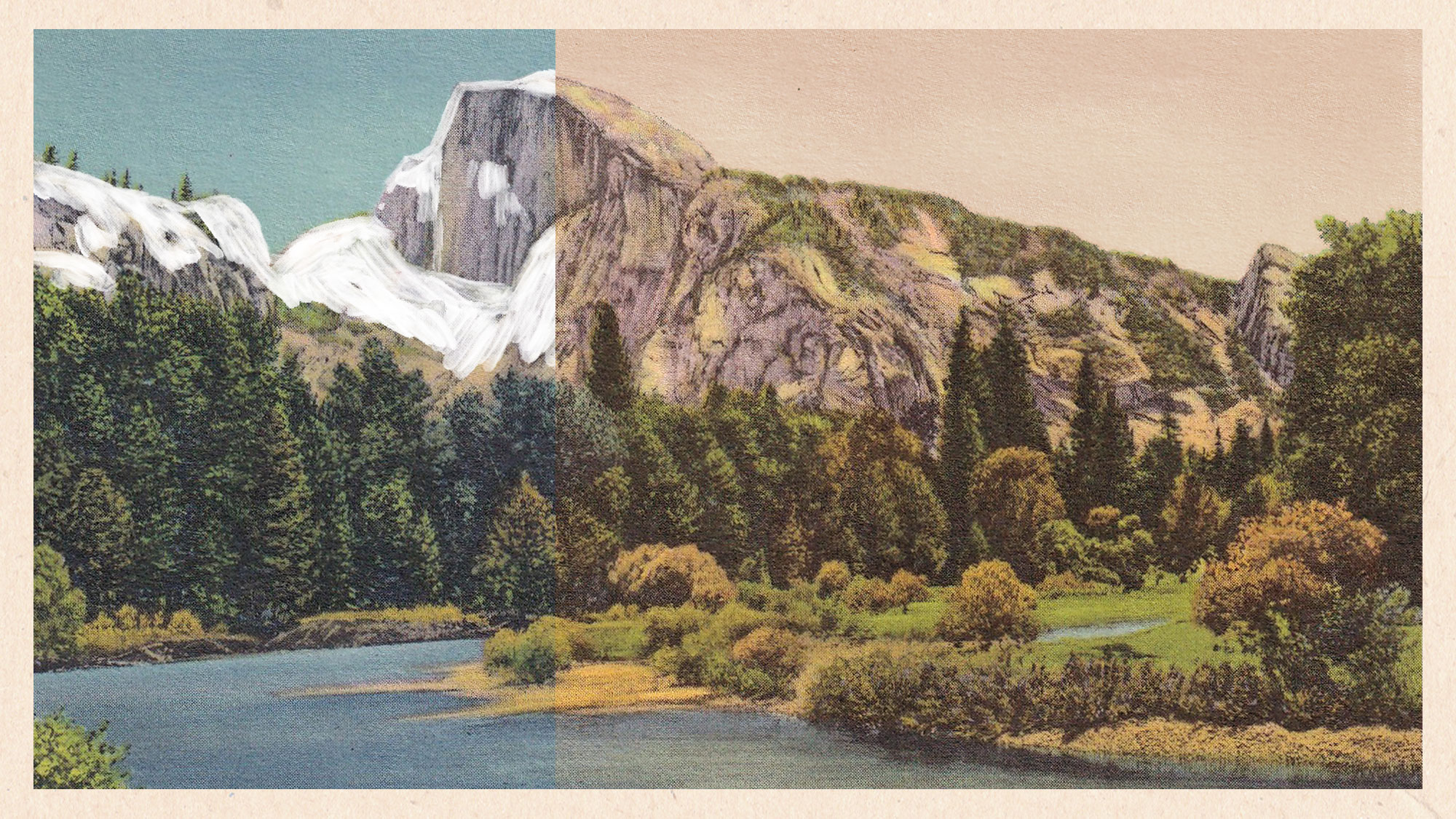
Researchers at Utah State University and collaborating institutions have identified and formally defined a new phenomenon known as “snow eater” heat waves. These events occur when temperatures remain above freezing continuously for three to five days, typically in spring and early summer. The defining characteristic is their dramatic acceleration of snowmelt, which can roughly double the rate at which snow disappears compared to normal warming periods.
The study, published in the journal Science Advances, marks the first systematic attempt to establish precise criteria for identifying these heat waves. Historical analysis revealed that since the 1850s, the geographic area affected by snow eaters has expanded by approximately 40,000 square miles per century. Additionally, the timing of the first snow eater event each season has shifted earlier by roughly one month per century. Researchers note that snow eaters appear to be becoming more frequent and widespread as climate conditions change in the Western United States.
The mechanisms behind snow eater intensity involve complex interactions between temperature and solar radiation. When snow crystals warm during heat waves, they undergo structural changes that reduce their reflectivity, causing snowpacks to absorb more sunlight and melt at accelerated rates. This amplification effect creates cascading consequences for water management and ecological systems across the region. Earlier this spring, record-low snowpack was observed throughout much of the Western U.S., with above-average temperatures being a common factor across varying precipitation patterns.
The rapid snowmelt caused by these events creates multiple challenges for water resource management, wildfire risk, and mountain safety. Early snowmelt forces managers to handle water as a hazard rather than storing it as a seasonal resource for drier months. The phenomenon has been linked to severe wildfires in recent months. Scientists continue investigating potential connections to avalanches, glacial collapses, and permafrost destabilization. While the study focused on the Western United States, researchers believe similar heat waves likely occur in other snow-dependent regions globally.
Article Attribution | Read More at Article Source
Article summary produced by Claude AI