

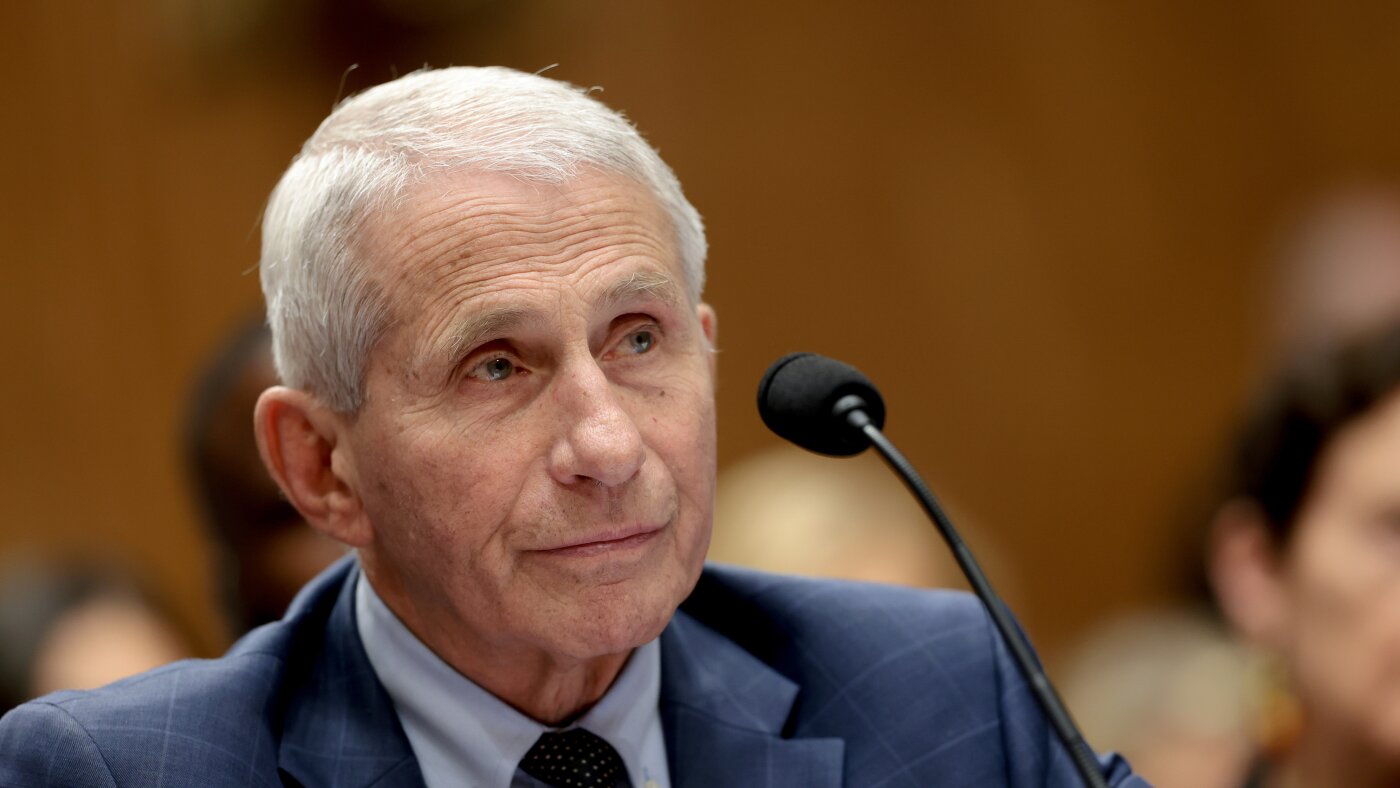
Anthony Fauci, the 85-year-old retired director of the National Institute of Allergy and Infectious Diseases, is set to face a contempt-of-Congress vote before the Republican-led Senate Homeland Security and Governmental Affairs Committee. The measure stems from Fauci’s refusal to answer questions during a hearing earlier in the week, when he invoked his Fifth Amendment right against self-incrimination.
During his appearance, Fauci stated in an opening statement that he would not answer lawmakers’ questions based on advice from his legal counsel. He characterized the committee’s scrutiny as stemming from an “unhinged obsession” by the panel’s chairman, Sen. Rand Paul of Kentucky, and suggested the hearing was designed to elicit false testimony. Fauci noted his longstanding record of cooperation with Congress and expressed regret at invoking his constitutional protections, while asserting that he had already provided responses to many of the committee’s inquiries during previous testimony.
The contentious relationship between Fauci and Paul centers on pandemic origins. In the days preceding the hearing, Paul released over 1,000 pages of Fauci’s personal diary entries, which Paul presented as evidence of private doubts regarding the pandemic’s cause. During the hearing, Paul suggested Fauci had little reason for concern given immunity protections, referencing a pardon Fauci received from President Joe Biden that covers conduct between 2014 and January 2025. However, this pardon does not extend to conduct occurring after that period, including any testimony delivered during current proceedings.
Should Republicans proceed with a contempt vote, the Justice Department would determine whether to pursue criminal prosecution. While such prosecutions are uncommon, recent cases include former Trump advisers Steve Bannon and Peter Navarro, who were imprisoned on contempt-of-Congress charges during the Biden administration. Democratic observers have expressed concerns about potential risks to Fauci, drawing parallels to prosecutions of other government officials, including former FBI Director James Comey, who have faced scrutiny under the Trump administration.
Article Attribution | Read More at Article Source
Article summary produced by Claude AI