

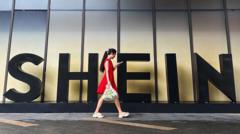
Shein, a major e-commerce fashion retailer founded in 2008, is proceeding with its initial public offering in Hong Kong after previous efforts to list on American and British exchanges encountered regulatory obstacles. The company plans to offer approximately 280 million shares priced between HK$47.60 and HK$49.50 each, with the upper range yielding a market capitalization of $26.8bn and raising $1.77bn in capital. The IPO is supported by prominent Wall Street institutions including Goldman Sachs, Morgan Stanley, and JP Morgan.
The valuation represents a significant decline from the $100bn assessment recorded in 2022, reflecting slower sales expansion and elevated operational expenses. Hong Kong’s emergence as a premier IPO destination, particularly for mainland Chinese corporations seeking alternatives to US and European markets, has provided a suitable venue for Shein’s public debut. Regulatory concerns in London regarding the company’s supply chain transparency and labor practices contributed to the collapse of its previous London Stock Exchange listing attempt.
Shein’s financial performance has deteriorated recently, with the company reporting a $99m quarterly loss in the first three months of the year compared to $395m in net income the previous year. This downturn was partly attributable to the removal of the de minimis import duty exemption by the US government under President Donald Trump, which historically allowed Shein and competitors to deliver goods without incurring import duties. The company indicated it is exploring price increases in the American market to offset heightened tariff costs.
The fast-fashion retailer operates a network of Chinese factories capable of rapidly manufacturing trend-responsive products, serving customers across more than 150 countries with ultra-competitive pricing. As of late March, Shein maintained 281 million active customers with a 16% annual increase, processing over one billion total orders. However, the company faces mounting competitive pressures from rivals like Temu and established retailers, ongoing environmental concerns, and persistent questions regarding labor practices in its supply chain, which have previously drawn scrutiny from regulators and advocates.
Article Attribution | Read More at Article Source
Article summary produced by Claude AI