

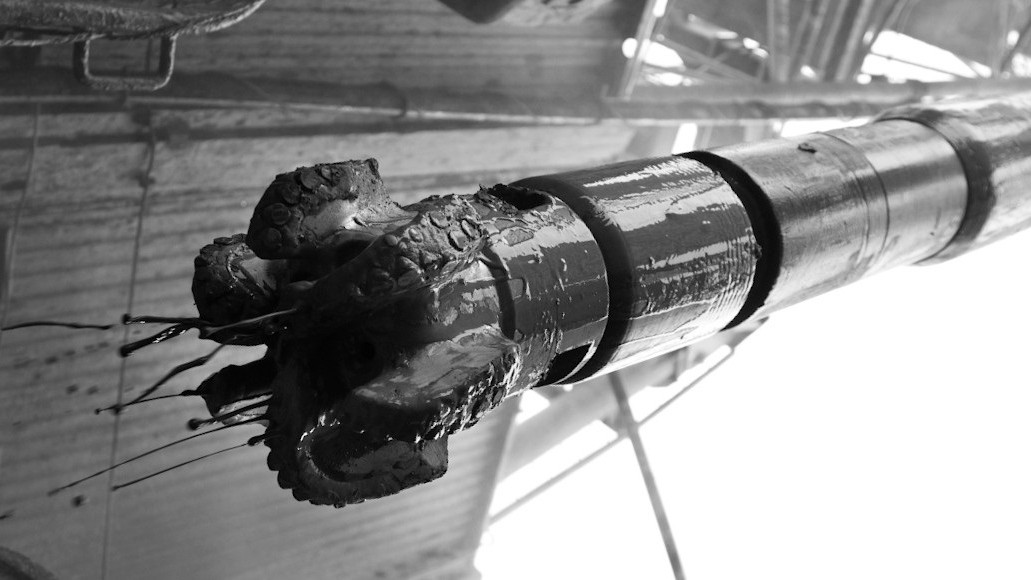
U.S. shale operators are deploying specialized chemical surfactants—commonly referred to as “soap cocktails” in the industry—to enhance oil recovery from tight rock formations. These chemical mixtures function by loosening trapped oil from rock and fractures, allowing the petroleum to flow more readily toward production wells and through tiny subsurface spaces.
Chevron has emerged as a leader in this technology, developing proprietary chemical solutions that address the industry challenge of recovering only approximately 10% of trapped oil through conventional hydraulic fracturing alone. As of July 2026, the supermajor has deployed these advanced chemicals across more than 600 wells, initially in the Permian Basin before expanding to the Bakken region and international operations in Argentina. Chevron has also begun commercializing the technology through a licensing agreement with ZL Chemicals, allowing the technology to reach broader market application under the Vantis™ brand.
Other major producers are similarly investing in surfactant treatments. Ovintiv has completed approximately 400 Permian wells with surfactant applications since 2019, reporting roughly 9% productivity improvements compared to untreated wells at a cost of approximately $100,000 per well. The company expects to treat nearly all new Permian wells with surfactants this year and is beginning deployment in Canada’s Montney formation. Diamondback Energy invested approximately $30 million in late 2025 on a pilot project testing surfactants across 60 wells, with positive results prompting plans for expanded testing.
The adoption of these chemical treatments, combined with longer lateral drilling and other technological innovations, allows producers to increase output without proportionally increasing the number of active drilling rigs. Industry executives have identified surfactant application as a significant driver of productivity gains in recent years, suggesting the technology could sustain production growth in major U.S. shale basins beyond previously anticipated levels as well productivity naturally declines over time.
Article Attribution | Read More at Article Source
Article summary produced by Claude AI