

Sodium-ion batteries have rapidly gained momentum in the energy storage sector following their introduction in electric vehicles in China. Unlike traditional lithium-ion systems that have dominated the market, sodium-based technology offers several practical advantages. Sodium is significantly less expensive than lithium, performs substantially better in low-temperature conditions, and requires minimal or no cooling infrastructure, which reduces both space requirements and system costs.
The emergence of sodium technology coincides with geopolitical considerations around battery supply chains. China maintains dominant control over globally available battery-grade lithium, making sodium an attractive alternative for energy storage applications in Europe and North America seeking supply chain diversification. While sodium batteries have lower energy density than traditional lithium options, making them less suitable for high-performance electric vehicles, their characteristics are well-suited for stationary grid storage applications where cooling reduction translates to higher cell density in a given footprint.
Market analysts project significant growth for sodium-ion technology in coming years. Morgan Stanley Research estimates the technology will capture 2 percent market share by deployment in 2027, accelerating to 20 percent by 2030 and 37 percent by 2035. Two leading chemistry variants—sodium chromium oxide and sodium iron-phosphate pyrophosphate—are positioned to drive adoption, with the former offering higher energy density and the latter providing manufacturing cost advantages.
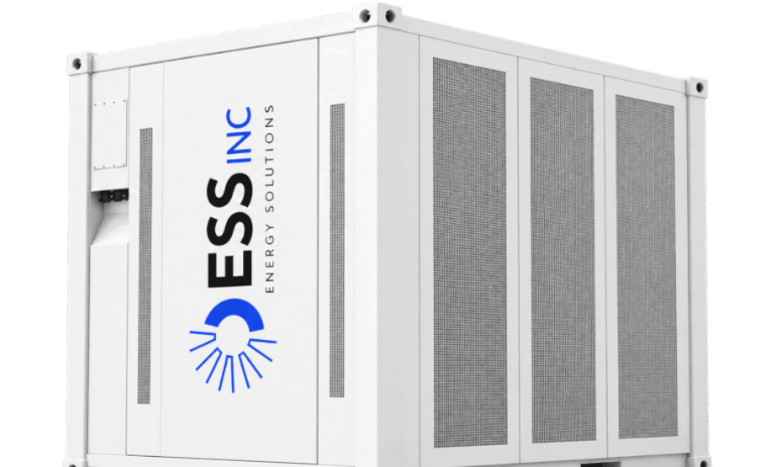
Multiple companies are positioning themselves in the sodium-ion space. ESS, a flow battery company, plans to introduce its first grid-scale sodium design next year using sodium iron-phosphate pyrophosphate cells sourced from Alsym. Company representatives indicate the move expands their addressable market while complementing existing long-duration energy storage development. Industry participants characterize sodium technology as opening new applications rather than replacing lithium entirely, with each chemistry suited to different operational requirements and use cases.
Article Attribution | Read More at Article Source
Article summary produced by Claude AI