

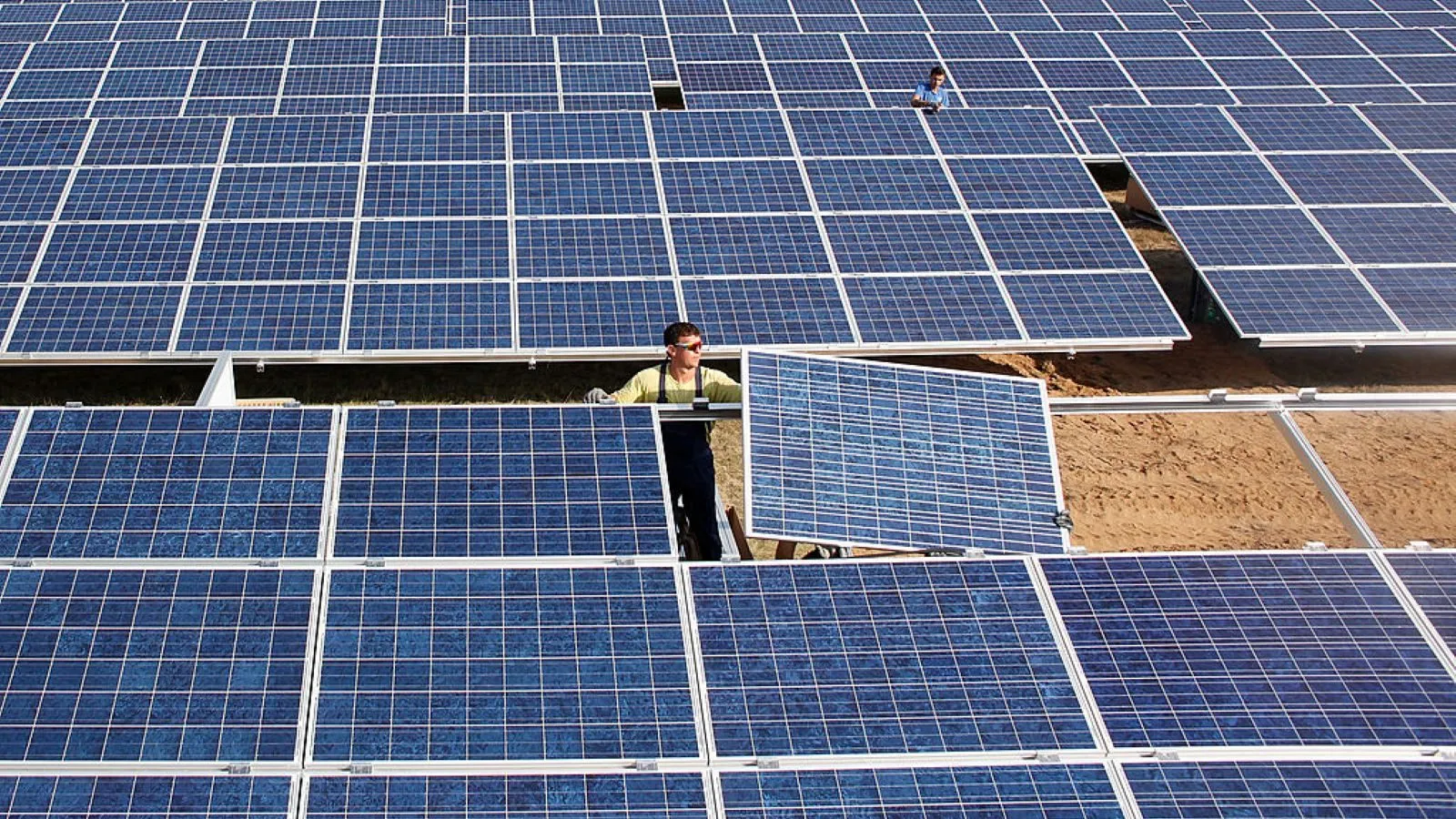
Europe experienced unprecedented heat and drought conditions earlier this summer, with June marking the hottest month on record for the region. The extreme weather created significant challenges for the continent’s energy infrastructure, as multiple conventional power sources faced constraints. Wind generation declined due to stagnant atmospheric conditions associated with heat waves, while nuclear, coal, and gas plants reduced output as rivers warmed and dried, limiting available cooling water. In contrast, solar installations demonstrated resilience and increased output by 17 percent above typical summer levels, according to energy analysts.
The energy crisis manifested in multiple ways across the continent. Power demand surged as households deployed air conditioning systems to cope with record temperatures, with increases reaching 28 percent in Italy and 14 percent in France during late June. Electricity prices spiked during evening peak hours when solar generation ceased but cooling demand remained elevated. Specific generation challenges emerged in various countries: the United Kingdom saw five gas plants reduce combined output by 2.5 gigawatts, while France lost 18 percent of its nuclear capacity due to environmental constraints on cooling water discharge temperatures. Hydropower production hit its lowest July level in a decade as river levels dropped to historic lows across the continent.
Solar power paired with battery storage systems proved critical to grid stability during the crisis, enabling continued power delivery into evening hours when demand remained high. Industry analysts identified battery storage as an essential component of future energy security, particularly given anticipated growth in cooling demand across Europe. Approximately half of Italian and Spanish households currently have air conditioning access, compared to only 23 percent across Europe overall and 90 percent in the United States.
Industry responses to the summer’s challenges include substantial investment commitments and accelerated technology deployment. France’s state utility announced plans to spend over $10 billion adapting nuclear and hydropower infrastructure to warmer operating conditions over the next 15 years. European solar and battery installations have expanded rapidly, with 36 gigawatt-hours of battery storage added during 2025, representing a 48 percent increase from the prior year. Energy analysts have called for regulatory changes to enhance grid flexibility and remove barriers to energy storage deployment.
Article Attribution | Read More at Article Source
Article summary produced by Claude AI