

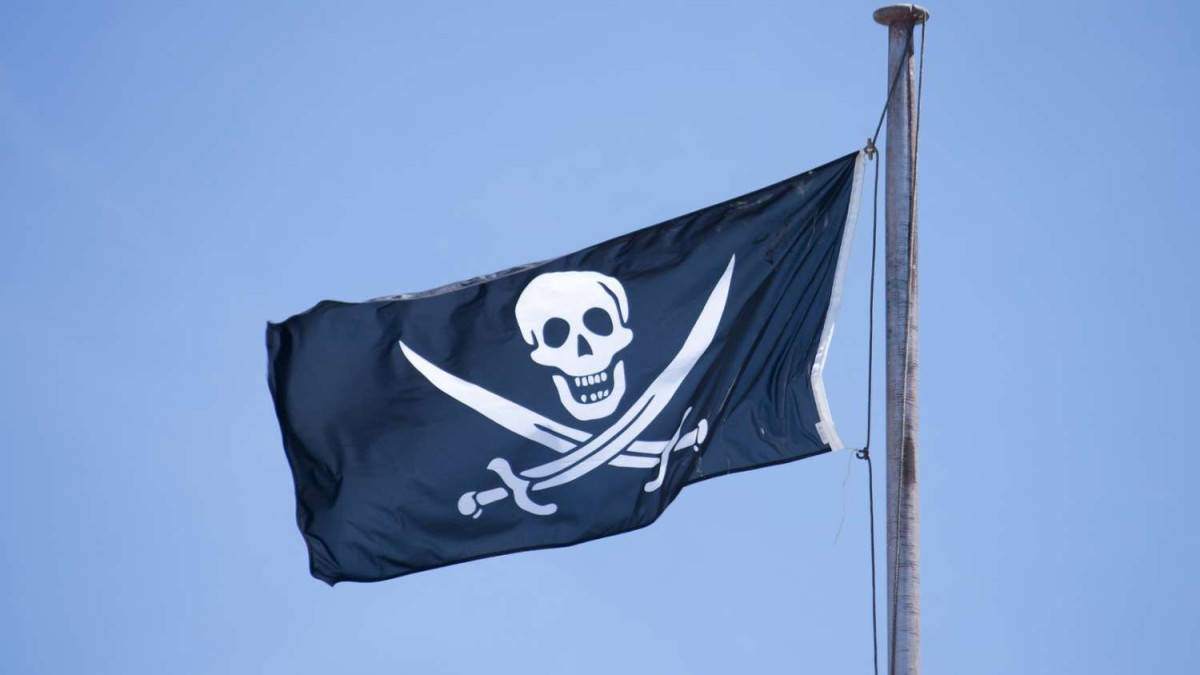
Maritime piracy off the Horn of Africa has resurged significantly following the effective closure of the Strait of Hormuz, which has forced hundreds of commercial vessels to take longer routes around Africa’s eastern coast. Between April and July 2026, Somali pirates successfully hijacked three oil tankers—MT Honour 25, MT Eureka, and MT Asana—in the Gulf of Aden and off Puntland, representing the largest piracy operations in several years. The current escalation has been enabled by the diversion of naval resources to the Persian Gulf, creating what observers describe as a largely uncontested operating environment for pirate groups.
Contemporary Somali piracy networks operate with far greater sophistication than predecessors from earlier decades. Intelligence reports indicate direct coordination between Yemeni Houthi militants and Somali pirate cells, with the former providing advanced weaponry, military training, and GPS tracking technology to enhance targeting capabilities. Al-Shabaab, designated as a terrorist organization, supplies logistical support from Somali coastal areas and reportedly retains approximately 30 percent of ransom proceeds. The three vessels hijacked in the current wave have generated ransom demands ranging from $3 million to $10 million, with the Eureka commanding the highest asking price.
Historical data illustrates the economic scale of Horn of Africa piracy. A joint study by Interpol, the World Bank, and the United Nations Office on Drugs and Crime documented over $400 million in ransom payments from 179 hijacked vessels between 2005 and 2012. Contemporary operations follow established financial structures, with pirate crews receiving 10 to 15 percent of ransoms, local financiers claiming 30 to 50 percent, and remaining proceeds integrated into legitimate business ventures. A June 30, 2026 analysis indicates that recent payouts, including $1.2 million to $1.5 million for a Chinese fishing vessel in March, have likely incentivized the current attack wave.
Beyond the Horn of Africa, piracy in the Gulf of Guinea presents additional maritime security challenges. War-risk insurance premiums for vessels transiting affected regions have increased dramatically, rising from approximately 0.15 to 0.25 percent of vessel value to between 7.5 and 10 percent per voyage following the Strait closure. The combination of limited African maritime enforcement capacity, sustained naval resource diversion, and improved pirate operational capabilities suggests the maritime security environment will remain challenged throughout the current period.
Article Attribution | Read More at Article Source
Article summary produced by Claude AI