

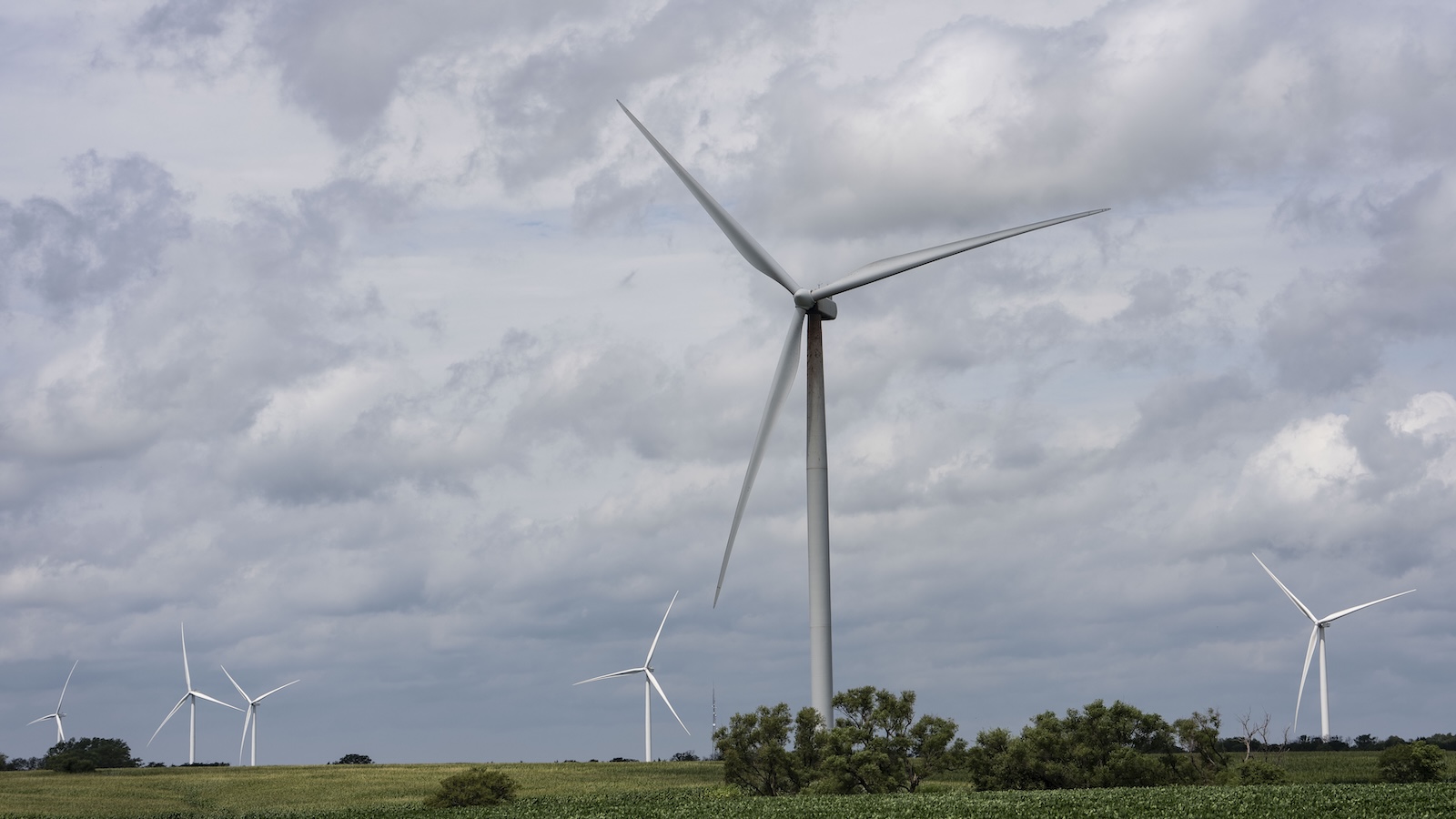
Nebraska’s renewable energy excise tax, implemented in 2010, generates revenue distributed to counties based on energy development activity in their jurisdictions. The O’Neill Public School District exemplifies the potential benefits, having received approximately $7.6 million over nine years that helped fund a $13.2 million expansion project without significantly burdening taxpayers.
The nameplate capacity tax requires qualifying renewable energy facilities to pay $3,518 annually per megawatt of generating capacity. Collected revenue flows to counties, which then allocate funds among local governments, community colleges, school districts, and natural resource agencies. According to state data, total revenue distributed has grown substantially, from $2.03 million across nine counties in 2015 to over $13.6 million distributed in 2025. However, the expansion masks a significant geographic imbalance: more than 88 percent of the revenue reaches just 10 of Nebraska’s 93 counties.
County officials note that this revenue functions as general fund income, helping offset property tax obligations while supporting mandated services and managing inflationary pressures. Lawmakers have considered increasing the tax rate, with a 2025 proposal suggesting a raise to $6,560 per megawatt, though that broader tax package ultimately stalled. A separate measure passed this year expanded the tax framework to include battery energy storage systems.
Support for renewable development faces considerable opposition in some areas. Various counties have enacted strict zoning regulations or moratoriums citing concerns about property values, noise, health effects, and fire risks. Agricultural interests worry about farmland conversion, though some observers note that renewable projects on less productive land could provide supplemental income for farmers and ranchers. Energy economists and business leaders contend that renewable capacity expansion is increasingly necessary to meet rising electricity demand from electrification, manufacturing, and data center growth, while also representing a competitive advantage for economic development across the state.
Article Attribution | Read More at Article Source
Article summary produced by Claude AI