

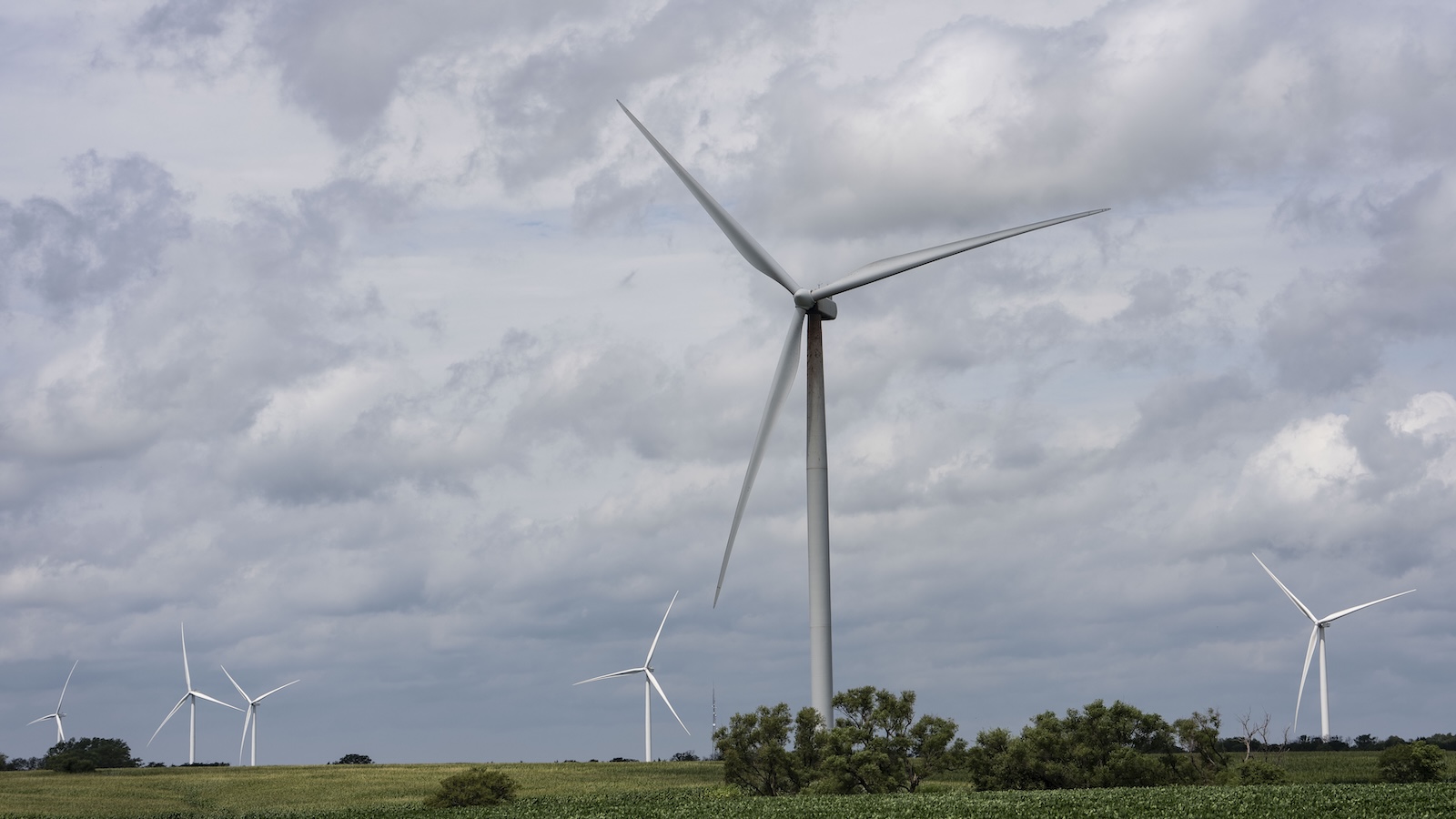
Nebraska’s renewable energy excise tax, implemented in 2010, requires qualifying renewable energy developments to pay $3,518 annually per megawatt of generation capacity. Revenue from this nameplate capacity tax is distributed to counties, which allocate funds to local jurisdictions including county governments, school districts, community colleges, and natural resource districts.
The O’Neill Public School District exemplifies the potential benefits of this system. Over nine years, the district received approximately $7.6 million in tax revenue, which helped fund a $13.2 million expansion project that included new classrooms, science laboratories, and gymnasium facilities without significantly burdening local taxpayers.
However, the revenue distribution remains highly concentrated. In 2025, communities received over $13.6 million in total tax revenue, but more than 88 percent went to just 10 of Nebraska’s 93 counties. This contrasts with 2015, when only nine counties received revenue totaling $2.03 million. County officials note that the tax functions as general fund revenue, helping offset costs for essential services and addressing inflationary pressures.
Recent legislative efforts have sought to increase the tax rate from $3,518 to $6,560 per megawatt, though such proposals have faced resistance. Lawmakers did recently expand the tax to include battery energy storage systems. Meanwhile, some Nebraska counties have enacted strict regulations or moratoriums on renewable developments, citing concerns about property values, noise, health, safety, and fire risks.
Proponents argue that renewable energy can support economic development and serve growing power demand from electrification, manufacturing, and data centers. Agricultural leaders note that renewable projects provide supplementary income to farmers without requiring them to leave their operations. Utilities and business organizations emphasize that affordable, quickly-deployable renewable energy is essential for meeting current energy needs and supporting broader economic growth across the state.
Article Attribution | Read More at Article Source
Article summary produced by Claude AI