

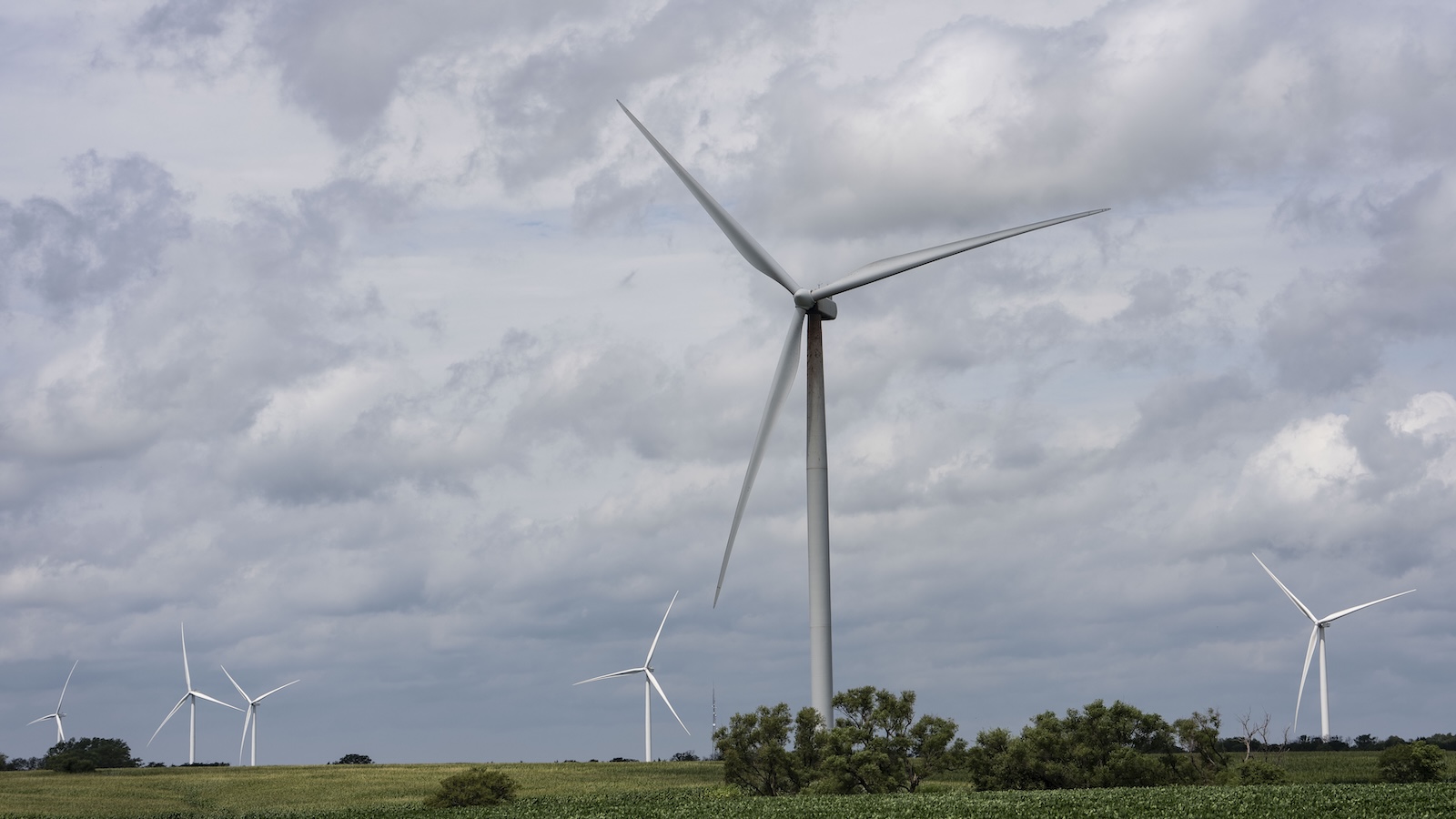
Nebraska implemented a nameplate capacity tax in 2010 on renewable energy developments, requiring facilities to pay $3,518 per megawatt annually. Revenue from this tax has grown significantly, rising from $2.03 million distributed across nine counties in 2015 to over $13.6 million across more counties in 2025. However, the distribution remains highly concentrated, with more than 88 percent of funds going to just 10 counties.
Communities receiving renewable energy tax revenue have used the funds to support local services and infrastructure projects. The O’Neill Public School District, for example, received approximately $7.6 million over nine years from the tax, which helped finance a $13.2 million expansion project including new classrooms, science labs, and a gymnasium. Counties typically allocate about 23 percent of nameplate capacity tax revenue to county governments, with the remainder distributed to community colleges and school and natural resource districts.
Despite the financial benefits for some communities, renewable energy development faces significant barriers across Nebraska. Approximately 15 counties have enacted moratoriums or strict zoning regulations that effectively limit or prohibit renewable projects. Concerns cited by opponents include impacts on property values, noise, health and safety risks, and fire hazards. Additionally, limited transmission infrastructure restricts where new generation can be located, and connection timelines for new projects to the grid can extend development periods.
Lawmakers have discussed expanding the tax base and increasing rates to generate additional revenue. A 2025 proposal would have raised the per-megawatt rate from $3,518 to $6,560, though this failed as part of a larger tax package. However, legislation passed this year expanded the tax to include battery energy storage developments.
Energy and economic development advocates view renewable projects as essential for meeting rising power demand and supporting long-term growth in Nebraska. The Omaha Public Power District and other utilities are pursuing diversified energy strategies. Experts note that renewables currently offer competitive costs and faster deployment timelines compared to alternative sources. However, successful project development requires developer transparency, early community engagement, and navigation of multiple regulatory approval layers.
Article Attribution | Read More at Article Source
Article summary produced by Claude AI