

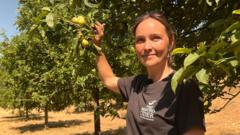
Somerset’s cider industry faces a significant production crisis following an extended drought that has severely impacted apple crops across the region. Multiple producers reported substantial reductions in fruit yields, with some orchards producing as little as 10 percent of their typical harvest. The stress on trees has resulted in widespread premature fruit drop and early ripening that leaves apples unsuitable for processing.
Smaller independent producers relying on fresh juice production face particular challenges, as they cannot supplement with commercial concentrate or industrial alternatives. Meanwhile, larger operations that maintain existing stock can weather the current season, though they express growing concerns about future production. One established cider farm that normally harvests 20-30 tonnes of apples reported such minimal fruit that mechanized harvesting became uneconomical, with fallen apples discarded rather than processed.
The crisis reflects broader climatic patterns affecting the region. Climate scientists note that conditions previously considered extreme weather events are becoming increasingly normal. The drought comes after a similarly dry previous year, compounding stress on established orchards. Additionally, milder winters have affected certain heritage apple varieties essential to Somerset’s distinctive cider character, such as Dabinett, which requires cold periods for productive fruiting.
Growers are adapting their practices in response to changing conditions. Some producers have begun irrigating newly planted trees, a practice previously considered unnecessary. However, irrigation systems suitable for hundreds of acres of cider orchards remain economically unviable for many growers, unlike those producing higher-value eating apples for supermarket distribution. Some are experimenting with grafting alternative varieties better suited to hot, dry conditions.
Looking ahead, growers and agricultural experts warn that climate patterns may necessitate fundamental changes to Somerset’s cider production, potentially affecting both the volume of output and the distinctive flavor profiles that have defined West Country cider for generations.
Article Attribution | Read More at Article Source
Article summary produced by Claude AI