

Australia’s energy market experienced substantial shifts during the second quarter, according to the Australian Energy Market Operator’s latest report. Renewable energy generation increased 37.1% year-on-year, driven by wind, grid-scale solar, and rooftop solar installations. Simultaneously, coal generation declined 5% and gas generation dropped 30%, marking the lowest quarterly averages for these sources since 2003. Wholesale electricity prices in the National Electricity Market fell 47% in the eastern region, reaching their lowest point since 2020.
Energy storage infrastructure expanded considerably during the period. Fourteen new generation and storage projects totaling 3.9 gigawatts were commissioned to full capacity, while household battery capacity grew 41% and grid-scale battery capacity more than doubled to exceed 9 gigawatts. These developments reflect the sector’s transformation, though Bloomberg New Energy Finance has expressed doubts about Australia’s ability to reach its 82% renewable energy target by 2030, citing grid connection delays and permitting obstacles.
Challenges to grid reliability have evolved as the energy landscape changes. Australia’s Minister for Climate Change and Energy noted that coal-fired power stations experienced daily breakdowns over the past three years, rendering coal unreliable for baseline power generation. Simultaneously, data centers represent an emerging demand driver, with 17 projects in development expected to require 9 gigawatts of additional electricity capacity. Western Australia’s grid, operating independently from the eastern interconnected system, experienced a 30% rise in average real-time electricity prices during the quarter, attributed to reduced wind generation and coal capacity.
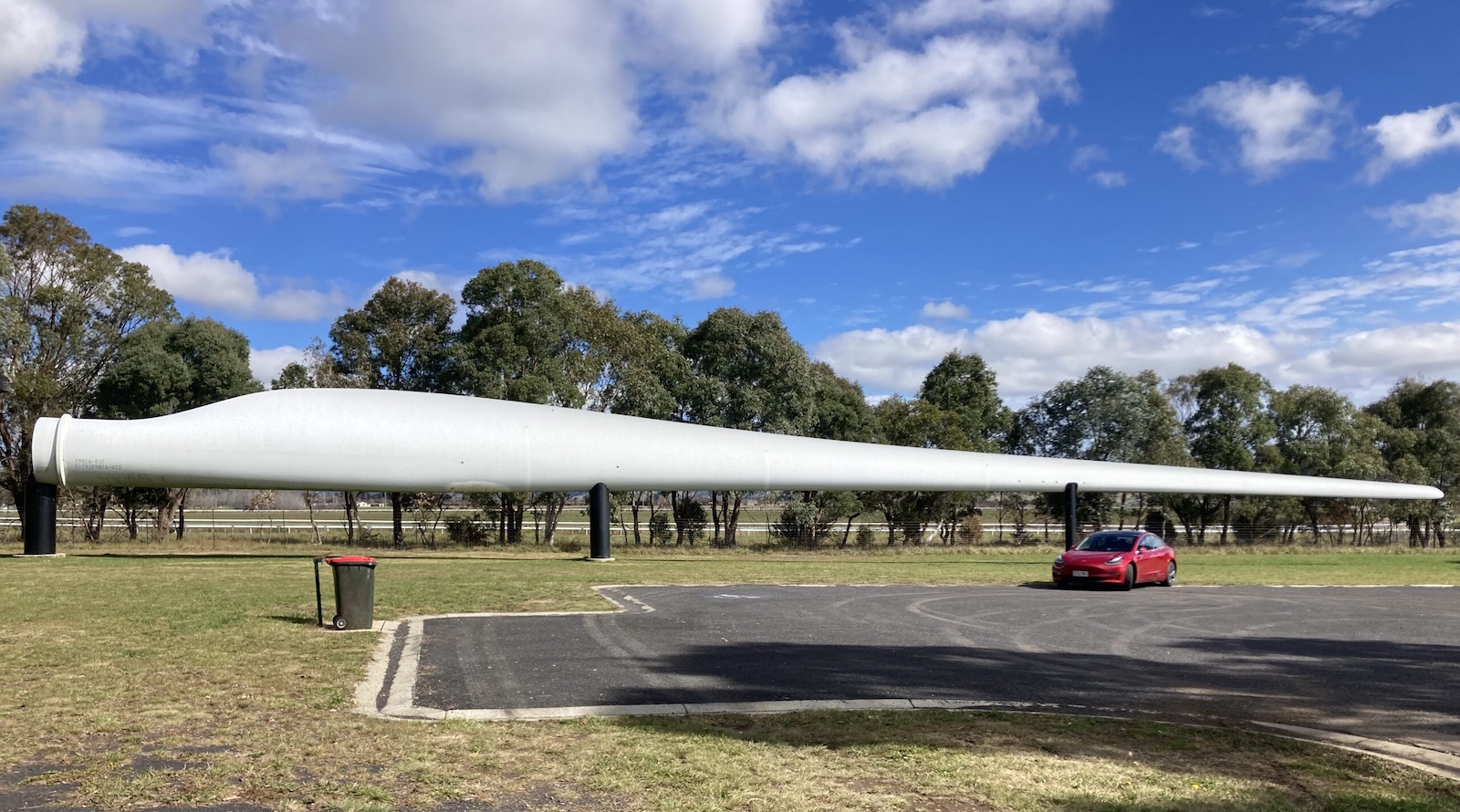
Rooftop solar and residential battery installations accelerated markedly, with rooftop solar adding almost 340 megawatts in July alone, representing a 43% year-on-year increase. Large-scale battery projects, including a 200-megawatt facility approved for development near Sydney, advanced despite local opposition. In Western Australia, major mining operations including Fortescue Metals increasingly rely on privately generated renewable energy, while even traditionally fossil fuel-focused enterprises shifted toward renewables due to cost advantages over diesel alternatives. Construction of major renewable projects proceeded throughout the period, with wind turbine components transported across New South Wales to support facility development in the central regions.
Article Attribution | Read More at Article Source
Article summary produced by Claude AI