

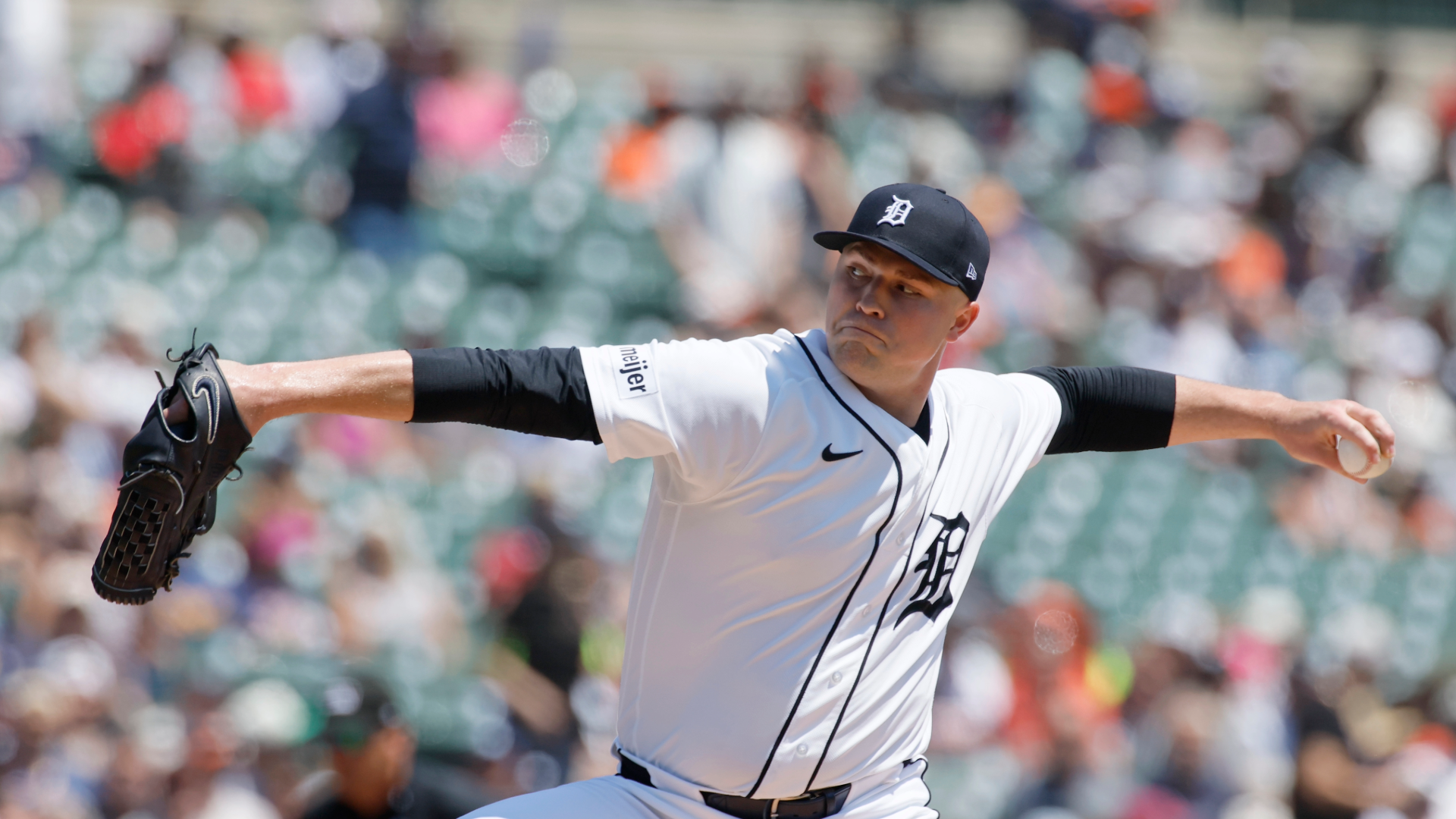
The Los Angeles Dodgers completed a significant trade with the Detroit Tigers on Saturday night, acquiring two-time defending American League Cy Young Award winner Tarik Skubal. The deal, which takes place ahead of the Aug. 3 deadline, is expected to be the most prominent player transaction of the deadline period.
The Dodgers, who hold the best record in baseball, added Skubal to address rotation depth amid injuries to key pitchers. Shohei Ohtani is currently limited to designated hitter duties due to knee and biceps issues, while Blake Snell and Tyler Glasnow are both recovering from surgery. With Skubal joining Yoshinobu Yamamoto at the front of the rotation, the Dodgers solidified their status as World Series favorites attempting a three-peat championship.
The Tigers received outfielder Zyhir Hope and right-handers River Ryan and Brady Smith in return for Skubal. While the prospect haul appears competitive on its surface, the Tigers’ decision to trade their ace drew scrutiny given their position in the American League. Detroit possesses the third-best run differential in the conference and sits only 2 ½ games out of playoff position, prompting criticism that the team compromised its postseason viability by selling at the deadline.
Skubal benefits significantly from the trade, moving from a team unlikely to reach the postseason to one with the best odds of winning the championship. The trade also affects his free agency prospects—as a mid-season acquisition, he cannot receive a qualifying offer from the Dodgers, allowing him to enter the offseason market without draft-pick considerations attached to his signing.
Multiple other teams, including the Brewers, Rays, Pirates, Braves, Cubs, and Phillies, pursued Skubal without success. The Brewers particularly drew scrutiny for failing to assemble a competitive package despite operating baseball’s consensus top farm system and possessing a roster capable of winning the World Series.
Article Attribution | Read More at Article Source
Article summary produced by Claude AI