

Tennessee has emerged as one of five finalists selected in July to host a Department of Energy nuclear lifecycle innovation campus, joining Utah, Oklahoma, Louisiana, and Idaho in advancing discussions with federal officials. The proposed facilities would encompass uranium enrichment, fuel fabrication, spent fuel reprocessing and recycling, energy generation, and waste management operations.
The state’s candidacy is anchored in its historical role as a nuclear development hub dating back over 80 years. During World War II, the federal government designated Oak Ridge, then a rural Appalachian farming community, as a key Manhattan Project site. That legacy has established the region as an attractive location for nuclear industry expansion, with companies like BWX Technologies, Orano, and Centrus already investing in uranium enrichment and weapons material production. Last year, BWX Technologies purchased a facility in nearby Jonesborough and announced a $1.6 billion, 10-year contract to supply material to Oak Ridge National Laboratory for maintaining the nation’s nuclear weapons arsenal.
State economic officials project substantial local benefits from nuclear sector growth. Over the past decade, Tennessee’s Department of Economic and Community Development has secured $10 billion in investment and created 3,000 jobs in the nuclear-related industry. Officials anticipate that expanded operations could generate tens of thousands of additional positions across construction, manufacturing, engineering, and research roles. Educational initiatives are also being developed to prepare local residents for employment in these facilities.
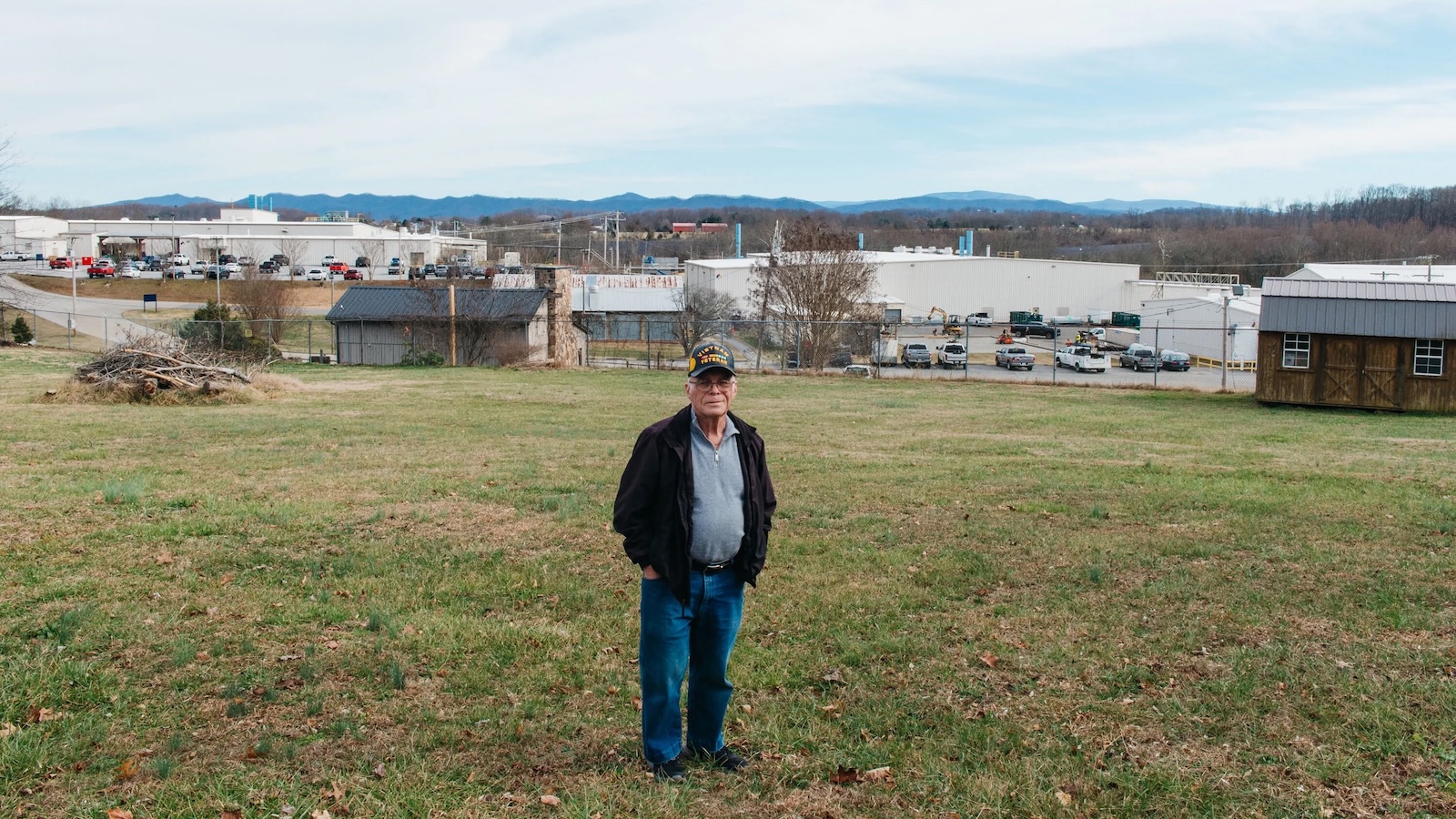
However, the expansion plans have generated community concerns rooted in the region’s contamination history. Some longtime residents attribute health problems to past industrial operations and express worry about environmental degradation from renewed nuclear development. The push for a nuclear renaissance occurs amid federal urgency to address the nation’s radioactive waste management crisis, with over 86,000 tons of spent fuel currently stored across 85 interim sites nationwide, having accumulated as permanent geological repositories remain unavailable.
Article Attribution | Read More at Article Source
Article summary produced by Claude AI